 Ferndale
 Building for the Water's Edge
Homes along this stretch of the Whatcom County coastline, in and around Lummi Nation, sit closer to salt water than almost anywhere else we work. That proximity to Bellingham Bay and the surrounding tidal flats shapes everything about how a house ages here. Salt-laden air corrodes metal, driving rain finds every gap in a building envelope, and the shade and humidity that come with living near the water keep moss and algae growing on roofs and siding for a good part of the year. A house built or sided the same way you'd build one twenty miles inland simply won't hold up the same way out here.
We've sided, roofed, and re-windowed enough homes in this part of the county to know which materials and details actually earn their keep near salt water, and which ones look fine for a season or two before the trouble starts. This page walks through what we watch for and how we build for it.
What Salt Air Actually Does to a House
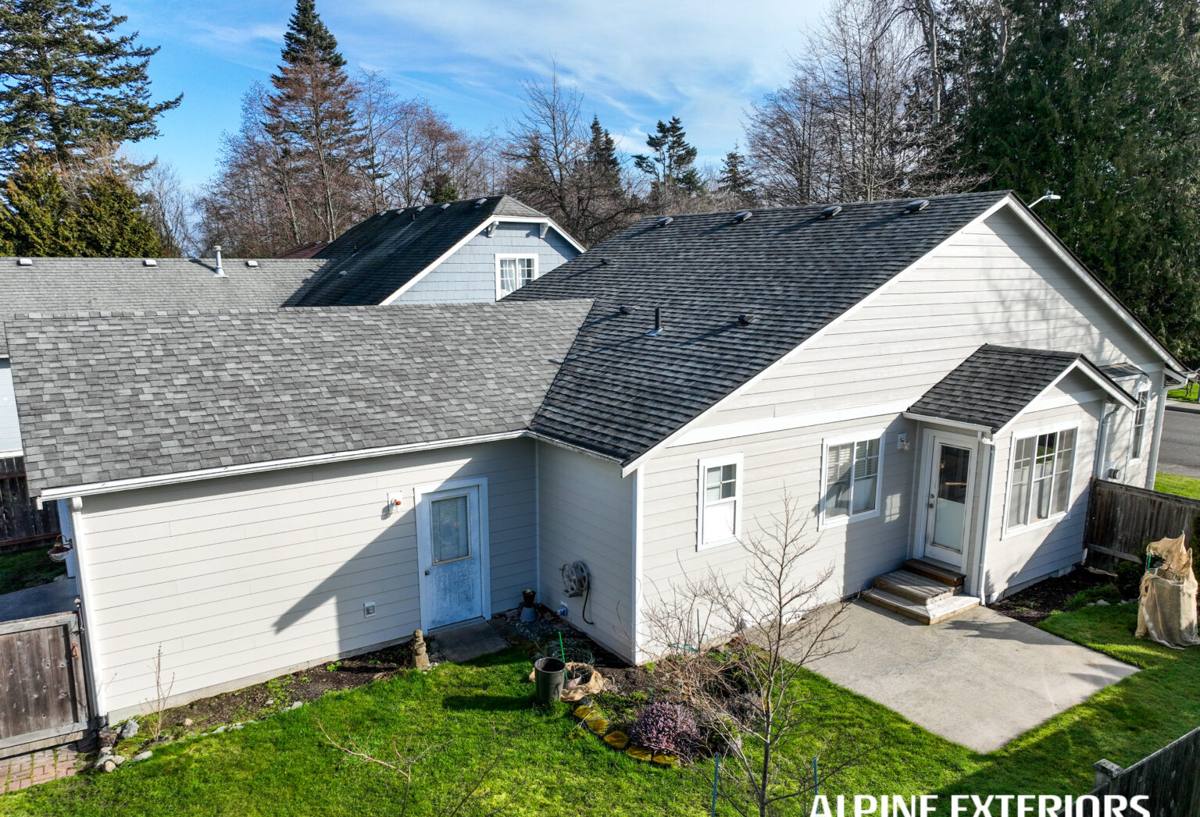
Salt air isn't just an inconvenience — it's a slow, steady chemical process. Airborne salt settles on every exterior surface and, combined with moisture, accelerates corrosion on anything metal: nails, flashing, hinges, light fixtures, HVAC components. On siding, it can also degrade paint films and finishes faster than the same product would wear in a drier, inland climate.
Where the Damage Shows Up First
- Fasteners and flashing that rust and stain the siding beneath them
- Painted wood trim that chalks, cracks, and needs repainting years ahead of schedule
- Caulking and sealants that dry out and fail faster under salt and UV exposure
- Metal roof vents, gutters, and downspouts that corrode from the outside in
None of this means a house near the water is doomed to constant repair. It means the materials and fasteners have to be chosen and installed with salt exposure in mind from day one, not treated as an afterthought.
Driving Rain and Wind-Driven Moisture
Storms off the Strait of Georgia and the Salish Sea don't just drop rain straight down — they push it sideways, often hard enough to force water up under siding laps, around window flanges, and into any seam that isn't properly lapped or flashed. Wind-driven rain is one of the toughest tests a building envelope faces, and it's a near-constant presence for homes in this area for much of the year.
Good siding installation for this climate starts below the siding itself: a correctly lapped weather-resistive barrier, properly flashed windows and doors, and starter strips and trim details that shed water outward instead of trapping it. Siding is the visible layer, but the water management behind it is what actually keeps a house dry.
Moss Season: Longer Here Than Almost Anywhere
Between the marine humidity, the tree cover common in this area, and the number of overcast, damp days each year, moss and algae get a long runway to establish themselves on roofs and north-facing or shaded siding. Left alone, moss holds moisture against the surface underneath it, which shortens the life of both roofing materials and the siding it grows on.
What Helps Slow Moss Down
- Keeping tree limbs trimmed back so roof and wall surfaces get sun and airflow
- Choosing roofing and siding products less hospitable to moss growth in the first place
- Routine gentle cleaning rather than letting growth build up for years
- Proper roof ventilation, which reduces the trapped moisture moss thrives on
Moss removal on the wrong siding material can also cause damage — pressure washing or scraping moss off cedar or engineered wood siding often does more harm than the moss itself. That's one more reason material choice matters as much as maintenance habits.
Why We Only Install James Hardie Fiber Cement
We install James Hardie fiber cement siding exclusively — we don't install vinyl, LP SmartSide, Cemplank, Allura, primed spruce, or cedar. That's not a marketing position; it's a standard we've settled on after weighing how each material actually performs against conditions like the ones described above.
Vinyl softens, warps, and can crack in cold snaps, and it doesn't hold up structurally to wind-driven rain the way a rigid fiber cement plank does. Wood and wood-based products like LP SmartSide and primed spruce need consistent paint maintenance to keep moisture out, and in a climate with this much sustained dampness and moss pressure, that maintenance window shrinks fast. Cedar is genuinely beautiful but demands ongoing sealing and refinishing to survive salt air and constant moisture. Cemplank and Allura are fiber cement competitors to Hardie, but we've standardized on Hardie specifically for its factory-applied ColorPlus finish, its HZ5 formulation engineered for wet, humid climates, and the strength of its transferable warranty.
How the Main Siding Options Compare Near the Water
| Material | Salt Air / Moisture Behavior | Maintenance | Typical Longevity Here |
|---|---|---|---|
| James Hardie Fiber Cement (HZ5) | Non-combustible, engineered for wet climates, resists moisture-driven damage | Occasional gentle washing; factory finish holds up well | Decades, with strong transferable warranty |
| Vinyl | Can warp, crack, or loosen under wind-driven rain and temperature swings | Low, but limited repair options once damaged | Variable; earlier replacement common |
| Cedar | Absorbs moisture; prone to rot and moss growth without upkeep | Regular sealing/staining required | Shorter without consistent maintenance |
| LP SmartSide / Primed Spruce | Wood-based; sensitive to sustained moisture exposure | Paint maintenance on a fairly tight cycle | Shorter in high-moisture coastal settings |
This table reflects general material behavior, not a claim about any specific product failing — it's the honest trade-off analysis that led us to standardize on one product line rather than offering several.
Roofing, Windows, and Decks in the Same Environment
Siding doesn't work in isolation, and neither do we. The same salt air, driving rain, and moss pressure that affect siding also affect roofing, window seals, and any deck exposed to the elements.
Roofing
Roofs near the water take the brunt of both wind-driven rain and moss growth, since they're the most exposed, least-shaded surface on most homes. Good ventilation, correctly lapped underlayment, and non-corroding fasteners and flashing all matter more here than in a drier inland climate.
Windows
Window flashing and sealant are common failure points in coastal wind-driven rain. Correctly integrating new or replacement windows with the surrounding siding's water-resistive barrier is one of the most important — and most often rushed — parts of a siding or window project.
Decks
Decking exposed to salt air and standing moisture needs fasteners and structural hardware rated for that exposure, plus a build that lets water drain and air circulate underneath rather than trapping moisture against structural members.
What Correct Installation Involves
Material choice only pays off if the installation matches it. For fiber cement siding near salt water, that means:
- Proper fastener spacing and type — corrosion-resistant fasteners driven correctly, not overdriven or underdriven
- Correctly lapped weather-resistive barrier and flashing at every window, door, and penetration
- Manufacturer-specified clearances between siding and grade, decks, and roof lines to prevent wicking
- Caulking only where Hardie's installation guidelines call for it, not as a substitute for proper flashing
- Factory-finished ColorPlus panels handled and cut in ways that preserve the finish and warranty
Skipping any of these steps can shorten the life of even the best siding material on the market. Installation quality is often the real difference between a siding job that lasts decades and one that needs early repair.
Why a Local Crew Matters Here
A contractor who mostly works inland, away from salt water, may not think twice about fastener corrosion resistance or moss-prone shade patterns — because they rarely have to. Crews who regularly work this part of Whatcom County build those considerations into every estimate and every install by habit, not as an afterthought. That local familiarity shows up in the details: which corners of a house tend to hold moisture, how far back roof overhangs need to be to actually shed wind-driven rain, and which fastener and flashing choices hold up under sustained salt exposure.
A Simple Homeowner Checklist
Whether or not you're ready for a project, these are worth checking on a home in this area at least once or twice a year:
- Look for moss or algae buildup on the roof and any shaded or north-facing siding
- Check caulking around windows and doors for cracking or gaps
- Look for rust streaks below fasteners, flashing, or metal fixtures
- Confirm gutters and downspouts are clear and directing water away from the foundation
- Check deck fasteners and hardware for corrosion, especially near the water
- Note any siding that feels soft, is visibly swelling, or has peeling paint
Catching these issues early is almost always cheaper and less disruptive than waiting until they become structural.
If you're noticing any of the signs above, or you're just planning ahead for a home near the water, we're happy to take a look. Reach out for a free, no-pressure estimate — someone who knows this stretch of coastline will walk the property with you and tell you honestly what it needs.