 Ferndale
 Board & Batten in a Whatcom County Climate
Board and batten has been showing up on more homes around Everson over the past several years, and it's easy to see why. The vertical lines read as clean and modern on newer builds, but they also suit older farmhouses and ranch-style homes common in this part of Whatcom County. Beyond looks, the profile does something practical: the raised battens create a shadow line that sheds water off the face of the panel rather than letting it sit and track down flat, unbroken siding. On a home east of Ferndale that sits inland along the Nooksack River valley, where humidity lingers longer than it does right on the water, that detail matters more than most homeowners realize until they've dealt with a siding system that doesn't handle it well.
We install board and batten in one material only: James Hardie fiber cement, in the HZ5 formulation engineered for the Pacific Northwest's wet-side climate zone. This page covers what that means specifically for an Everson home, what a correct installation actually involves, and why the crew you hire for it should already know this stretch of the county.
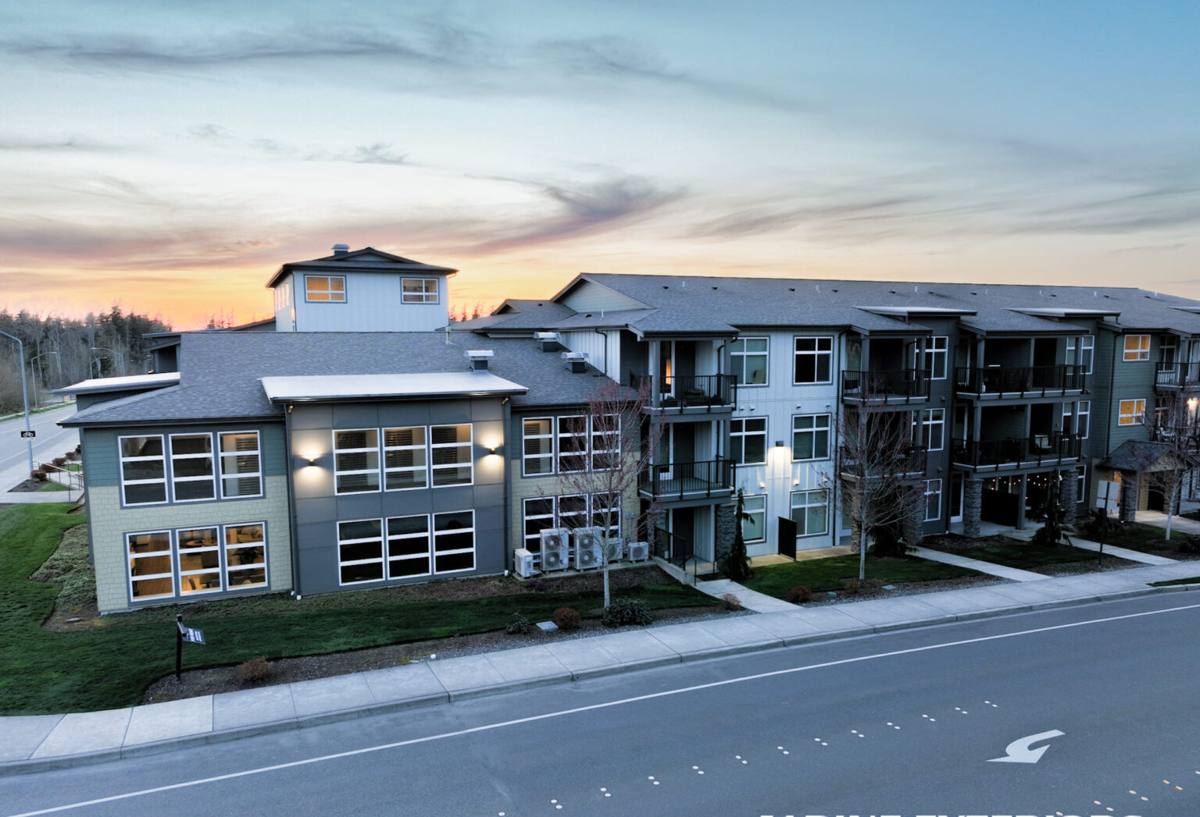
What Everson Homes Are Up Against
Everson doesn't get hit with direct sea spray the way homes right on Bellingham Bay do, but Whatcom County's marine climate still reaches inland along the river corridor. What that looks like on a house over time:
- Long stretches of driving rain that hits siding at an angle, not just straight down — this is what exposes weak flashing and gapped seams that a dry-climate installer might never notice.
- A moss season that runs longer here than in most of the country, feeding on any surface that stays damp and shaded, including siding faces and the tops of battens.
- River-valley humidity and morning fog that keep wood-based products damp for hours after a rain event has already passed through.
- Freeze-thaw swings in winter that are mild by national standards but still stress any siding material that absorbs moisture and expands.
None of this is dramatic weather. It's the slow, repetitive kind that finds every shortcut in an installation over five or ten years rather than in the first season.
Why Fiber Cement Handles This Better Than the Alternatives
Board and batten can be built out of several materials, and we get asked about most of them. Here's the honest comparison, based on how each performs specifically in a climate like this one — not on marketing claims from any manufacturer.
| Material | Moisture behavior in this climate | Long-term maintenance |
|---|---|---|
| James Hardie fiber cement | Non-combustible, dimensionally stable, doesn't swell or rot when battens stay wet for extended periods | Repaint cycle stretched by factory ColorPlus finish; occasional wash for moss |
| Engineered wood (LP SmartSide and similar) | Wood-based core is more vulnerable at cut edges and fastener points if any moisture gets behind the panel | Manufacturer typically requires strict caulking and paint maintenance schedules to preserve warranty coverage |
| Vinyl board and batten | Won't rot, but flexes and can distort in temperature swings; seams are more visible and can loosen over years | Low maintenance, but color is baked into the panel with no refinishing option once it fades |
| Primed cedar or spruce boards | Natural wood movement plus real moss and rot risk in a damp, shaded valley setting | Highest maintenance — regular repainting, sealing cut ends, and monitoring for soft spots |
We used to install more than one of these systems. We standardized on Hardie because, installed correctly, it's the one that keeps looking and performing the way it did on day one, in this specific climate, with the least ongoing upkeep asked of the homeowner.
What a Correct Board & Batten Installation Actually Involves
It Starts Underneath the Panel, Not With It
Most board and batten failures we get called out to inspect on older homes aren't a material problem — they're a water-management problem that was baked in at install. A correct job starts with a proper weather-resistant barrier over the sheathing, correctly lapped and taped at every seam, with flashing integrated at every window, door, and penetration before the first panel goes up. Skipping or rushing this step is invisible on install day and shows up as rot or staining three to five years later.
Panel Selection and Layout
James Hardie offers board and batten as a panel-and-batten system (HardiePanel with vertical battens) built for the HZ5 zone that covers western Washington. We plan batten spacing and reveal to match the home's proportions rather than defaulting to one spacing for every house — this is a design decision as much as a technical one, and it's where a lot of the visual difference between a good job and an average one shows up.
Fastening and Sealant Details
Fastener placement, penetration depth, and gapping at panel ends all follow Hardie's published specifications for this climate zone — not general carpentry judgment. Where sealant is used, it's a product rated for the temperature and moisture range this area actually sees, applied at the joints Hardie specifies and nowhere else. Over-caulking a board and batten job is almost as common a mistake as under-caulking it; both trap or misdirect moisture over time.
What to Check Before You Hire Anyone for This Job
- Ask what siding brand and product line they install, and why — a contractor who installs "whatever the homeowner wants" without a stated standard often hasn't thought hard about climate fit.
- Ask how they handle the weather-resistant barrier and flashing at windows and doors — this is the part of the job you won't see once it's finished.
- Ask whether battens are back-primed and gapped per manufacturer spec, or just nailed on for the look.
- Ask for the manufacturer warranty terms in writing, and whether it's transferable if you sell the home.
- Ask how long they've worked in Whatcom County specifically, and what climate-specific adjustments they make versus a standard install elsewhere.
Our Process, Start to Finish
- On-site assessment — we look at existing siding condition, moisture history, trim and window flashing, and the home's exposure to prevailing rain direction.
- Design and estimate — batten spacing, reveal, and ColorPlus color selection are set before any material is ordered, so the quote reflects the actual job.
- Prep and tear-off — old siding removed, sheathing inspected and repaired where needed, house wrap and flashing installed correctly before anything new goes up.
- Installation — panels and battens installed to Hardie's HZ5 specifications, with fastening and sealant details checked as we go, not just at the end.
- Final walkthrough — we go over the finished job with you directly, including care and maintenance specific to your home's exposure.
Cost Factors Specific to a Board & Batten Job
Every estimate is different, but the things that actually move the price on a board and batten project in this area are consistent:
| Factor | Why it matters here |
|---|---|
| Condition of existing sheathing and WRB | Homes with past moisture intrusion often need substrate repair before new siding can go on correctly |
| Home's rain exposure and orientation | West- and southwest-facing walls take more direct driving rain and may need extra flashing attention |
| Batten spacing and trim complexity | Tighter spacing and detailed trim work take more labor hours than a simple, wide-spaced layout |
| Color selection | Factory ColorPlus finishes vary in cost by line, but all outlast field-applied paint in this climate |
We'd rather walk your property and give you real numbers than throw out a broad range that doesn't reflect your specific home.
Maintenance in Everson's Climate
Fiber cement board and batten is genuinely low maintenance, but "low" isn't "none." In a long moss season like this region sees, an occasional gentle wash of the siding face and battens keeps growth from taking hold, especially on shaded north- and east-facing walls near trees or fence lines. Beyond that, an annual walk-around to check caulking at trim and window edges — the same joints any siding system depends on — is the single best thing a homeowner can do to protect a correct installation for the long run.
Why a Crew That Already Works in Everson Makes a Difference
Siding specifications don't change house to house, but judgment calls do — where extra flashing makes sense, how a particular wall's rain exposure should shape batten layout, how aggressive the moss growth on a shaded side of the home is likely to get. A crew that already works Whatcom County has made those calls repeatedly on homes with the same rain patterns, the same river-valley humidity, and the same moss pressure as yours, and that experience shows up in the details you won't see until years down the road — which is exactly when they're supposed to hold up.
Why We Only Install James Hardie
We narrowed our siding line to James Hardie because, installed to spec, it's non-combustible, holds its factory ColorPlus finish far longer than field-applied paint, is engineered specifically for climate zones like this one through its HZ5 product line, and carries a strong, transferable manufacturer warranty. That's not a knock on every alternative — vinyl and engineered wood both have legitimate uses — it's a statement about what we're willing to put our name behind on a home in this climate, board and batten included.
If you're weighing board and batten for a home in Everson, we're happy to take a look and put together a straightforward, no-pressure estimate — just fill out the form below.