 Ferndale
 Why Decks in the Cordata Area Wear Out Faster Than You'd Expect
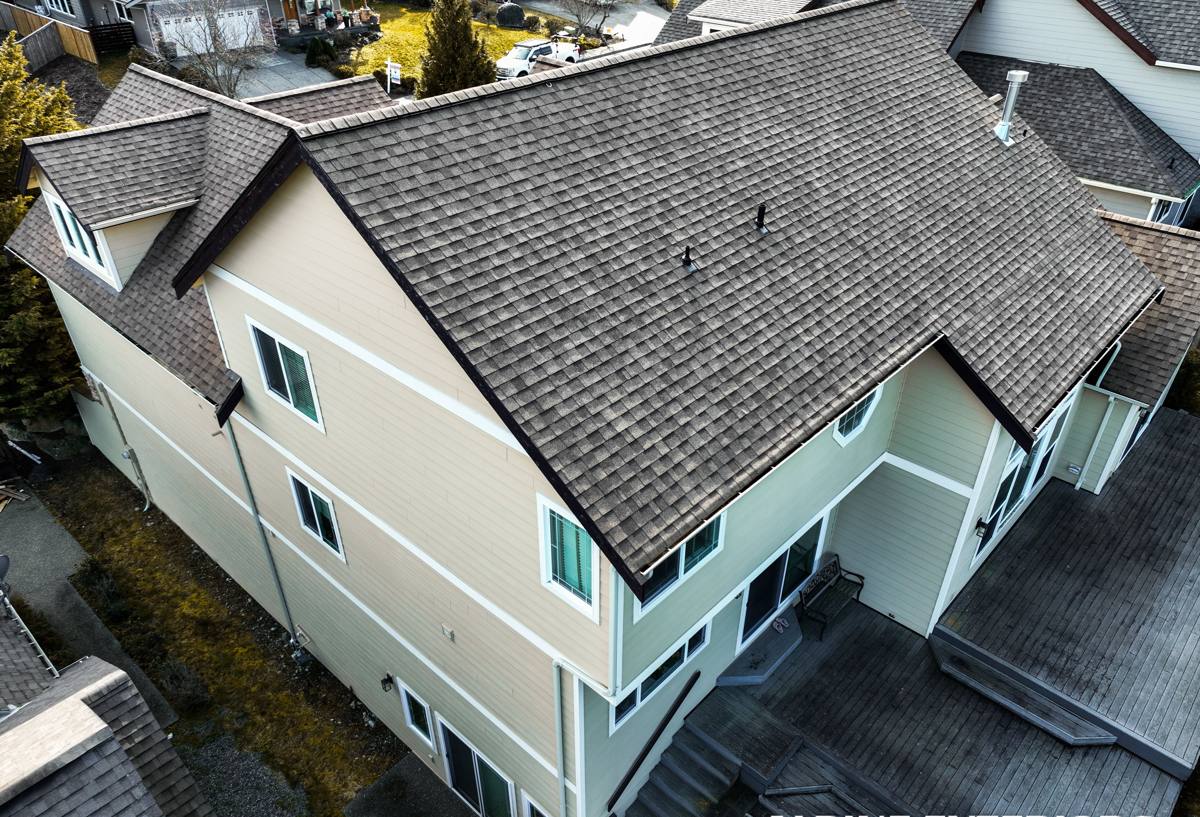
Cordata sits in the part of Whatcom County where three things stack up against an outdoor deck at the same time: near-constant rain from fall through spring, a long moss season that keeps shaded surfaces damp for months, and enough salt-tinged marine air off Bellingham Bay and the Strait to accelerate corrosion on anything metal. Individually, none of those is unusual for western Washington. Together, on a structure that's bolted to your house and holds people up, they add up to a maintenance schedule that's different from what a deck in a drier climate would need.
A deck that looks fine from the top can still be failing underneath. Moisture doesn't announce itself — it works quietly into ledger connections, joist ends, and post bases, and by the time boards feel spongy or a railing wiggles, the damage has usually been building for a couple of seasons already.
The Damage Patterns We See Most in This Area
Moss and algae on the deck surface
Shaded decks, or decks under trees, stay damp long after a storm passes. Moss and algae hold that moisture against the wood or composite surface, which does two things: it makes the deck slick and dangerous underfoot, and it keeps the boards wet enough, long enough, for rot or mold to set in even on treated lumber.
Rust and corrosion at metal connections
Marine air carries salt further inland than most homeowners realize, and it doesn't take direct ocean exposure to matter. Nails, screws, and joist hangers that weren't rated for exterior or coastal use will streak, weep rust stains down the fascia, and eventually lose holding strength. This is one of the most common repair calls we get — not because the wood failed, but because the fasteners did.
Rot at the ledger board and post bases
The ledger board — where the deck attaches to the house — and the base of any post set near or in the ground are the two spots that take on the most sustained moisture. Both are structural. Both are also hidden behind flashing, siding, or post wraps, so problems here often go unnoticed until there's visible sag, a soft spot, or movement when the deck is loaded.
Cupped, split, or delaminating boards
Repeated wet-dry cycling through a Whatcom County winter and a drier summer causes wood fibers to swell and shrink unevenly. Over enough years that shows up as cupping, splitting, or — on some composite products — surface delamination at the edges.
Repair or Replace? How We Sort It Out
Not every deck problem calls for a full rebuild, and not every deck is worth patching. The honest answer depends on what's structural versus what's cosmetic, and how much of the framing underneath is still sound.
| Condition Found | Repair Usually Makes Sense | Replacement Usually Makes Sense |
|---|---|---|
| Ledger board | Flashing failed but wood is solid | Wood is soft, delaminated, or pulling from the house |
| Joists & beams | One or two isolated soft spots | Rot spread across multiple members or the main beam |
| Posts & footings | Post base rotted, footing is sound | Footing undersized, heaved, or not to current code |
| Decking surface | Scattered bad boards, frame is solid | Most boards cupped, split, or moss-stained throughout |
| Railings & hardware | Loose or corroded fasteners only | Posts rotted or railing doesn't meet current guard code |
| Age of structure | Under 12–15 years, built to code | Older, undersized, or no permit record for a structural deck |
We won't push a full rebuild on a deck that just needs its ledger flashing corrected and a few boards swapped — and we won't patch a structure where the framing underneath is compromised. We tell you which situation you're actually in before any work starts.
What a Correct Deck Repair Actually Involves
A repair that only addresses what's visible from the top often misses the reason the deck failed in the first place. A thorough job works from the structure outward:
- Ledger connection and flashing — checking that the deck is properly bolted (not just nailed) to the house framing, and that flashing sheds water away from the house rather than trapping it behind the ledger.
- Joists, beams, and hangers — probing wood at every connection point for softness, and confirming hangers and structural screws are rated for exterior or ACQ-treated lumber contact so they don't corrode from the inside out.
- Posts and footings — checking post bases for rot at grade and confirming footings are sound, sized correctly, and not heaving from freeze-thaw or settling.
- Fastener selection — using hot-dip galvanized or stainless hardware appropriate for treated lumber and coastal-influenced air, not standard interior-rated fasteners that will rust prematurely.
- Board spacing and drainage — leaving proper gaps between boards so water and debris don't pool, since standing moisture is what feeds moss and accelerates rot in the first place.
- Guard and railing code — confirming railing height and baluster spacing meet current building code, especially on any deck that's being substantially repaired rather than just resurfaced.
Whatcom County and the City of Ferndale generally require a permit for structural deck work — new footings, framing replacement, or changes to the footprint — but not for surface-level repairs like swapping boards or refinishing. If your project crosses into structural territory, we handle that conversation with you up front rather than after the fact.
Materials: What Holds Up Here and What Doesn't
We get asked a lot whether to repair with the same material or switch. Here's the honest trade-off for each, given this climate:
Cedar
Cedar has natural rot resistance and looks right on a lot of Pacific Northwest homes, but it still needs regular sealing to hold up against this much rain and moss exposure. Skip a season of maintenance and it will gray and soften faster than people expect.
Pressure-treated lumber
Standard for framing and a common choice for decking itself. It resists rot well, but it moves — cupping and checking — as it dries and rewets through our seasons, and it demands fasteners and hangers rated for the treatment chemicals, not standard hardware.
Composite decking
Composite resists moss staining and rot better than any wood option, which is a real advantage in a shaded, damp yard. The trade-off is repair sensitivity: damaged composite boards typically get replaced rather than patched, and the substructure underneath still has to be built and maintained to the same standard as a wood deck, since composite doesn't fix a rotting frame.
We don't have a blanket answer for which is "best" — it depends on how much sun the deck gets, how much upkeep you want to do, and what's already underneath.
Our Process, Start to Finish
- On-site inspection. We check the ledger, framing, posts, footings, and decking surface, probing for soft wood rather than just looking at the finish.
- Straight assessment. You get a clear picture of what's structural, what's cosmetic, and what your real options are — repair, partial rebuild, or full replacement.
- Written scope and price. No surprise add-ons once work has started; if we find something new once boards come up, we stop and tell you before proceeding.
- Repair work. Structural corrections first — ledger, framing, footings — then decking, then railings and hardware.
- Permit handling, when needed. If the scope is structural, we take care of the permit process rather than leaving it to you.
- Final walkthrough. We check the deck under load, confirm railings are secure, and go over any maintenance steps that will extend the life of the repair.
Slowing Down the Next Round of Damage
A repaired deck will last a lot longer with a little seasonal attention. Worth doing once or twice a year in this climate:
- Sweep debris out from between boards so water and leaves don't sit and feed moss growth.
- Scrub visible moss or algae off the surface before it stains or softens the wood, especially on shaded sections.
- Check under the deck after heavy rain for standing water near posts or footings.
- Look at exposed fasteners and hangers for rust streaks, which usually show up before the wood underneath fails.
- Re-seal or re-stain wood decking on the manufacturer's recommended schedule, not just when it looks worn.
- Keep gutters and downspouts near the deck clear so runoff isn't dumping directly onto framing or posts.
Why a Crew That Already Works the Cordata Area Matters
Deck problems in this part of Whatcom County follow patterns — where moss collects, which connections corrode first, how footings behave in local soil and drainage conditions. A crew that regularly works decks in and around Ferndale has already seen those patterns repeat across different homes, which means less guesswork diagnosing your specific deck and fewer surprises once repairs are underway.
There's also the practical side: knowing the local permitting process with the City of Ferndale and Whatcom County, having material and hardware suppliers close by rather than waiting on special orders, and being able to get back out to your property quickly if a repair needs a follow-up visit. None of that replaces sound workmanship, but it does mean the job moves faster and with fewer loose ends.
Get a Straight Answer on Your Deck
If your deck near Cordata has soft spots, rusting hardware, persistent moss, or just doesn't feel as solid as it used to, it's worth having someone look at the framing before deciding between a repair and a rebuild. We'll give you a free, no-pressure estimate and an honest read on what your deck actually needs — use the form below to get started.