 Ferndale
 Building a Deck That Actually Holds Up in Marietta
Marietta sits low and close to the water on the edge of Ferndale, and that location shapes everything about how a deck should be built here. Homes in this stretch of Whatcom County deal with salt-laden air off the bay, long stretches of driving rain through fall and winter, and a moss and algae season that can run eight months or more. A deck built to a generic spec sheet — the kind you'd use inland or in a drier climate — will show its age fast out here: soft spots in the decking, rust streaks bleeding from fasteners, slick green film on every horizontal surface, and railings that loosen at the posts within a few years. A deck built for Marietta specifically holds up because every material and connection decision accounts for that environment from day one.
This page covers what a correctly built deck looks like for a Marietta property, how our process works, and why it matters that the crew doing the work already knows this stretch of Ferndale rather than treating it like any other job site.
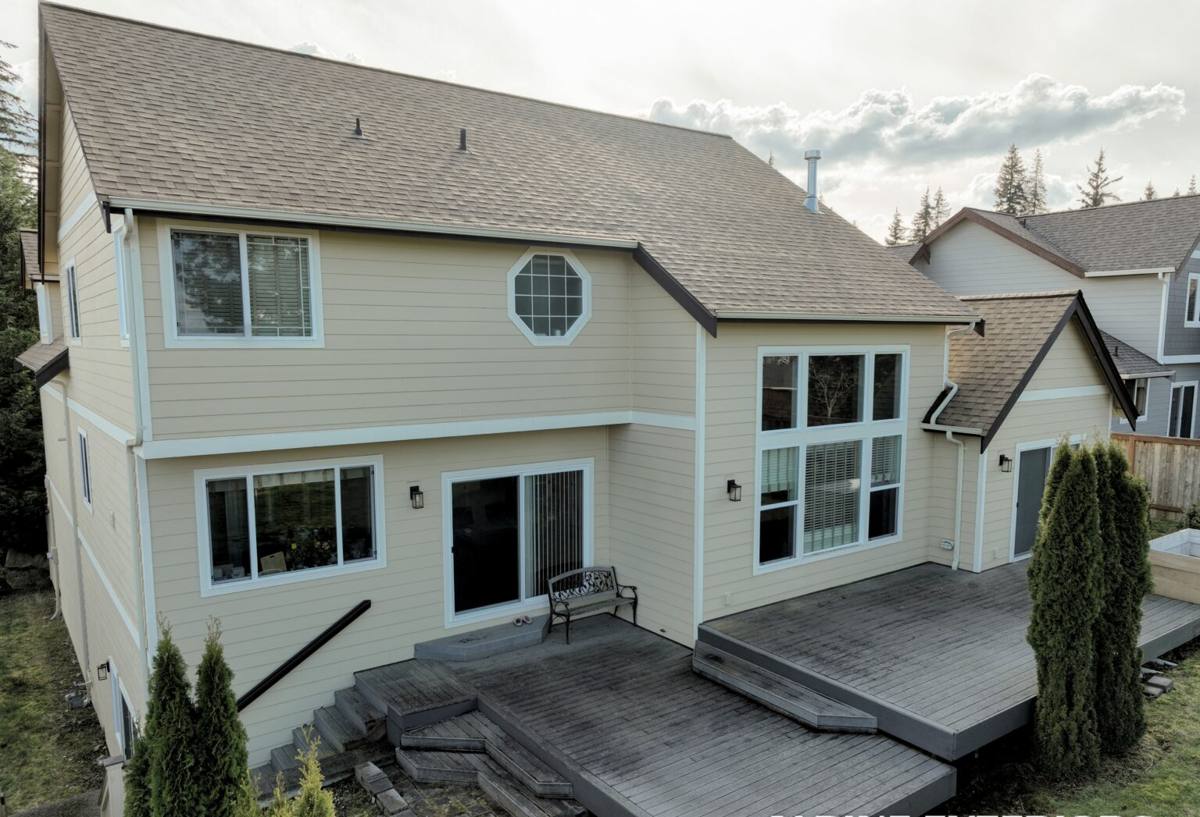
What the Marietta Climate Does to an Ordinary Deck
Salt Air and Corrosion
Proximity to Bellingham Bay means airborne salt is a real factor for exterior metal here, not a theoretical one. Standard galvanized fasteners and connectors that would be fine forty miles inland can start showing surface rust within a couple of seasons this close to the water. Once a fastener starts corroding, it weakens at exactly the point where it's supposed to be holding structural load — ledger connections, joist hangers, and railing posts.
Driving Rain and Wind-Driven Moisture
Whatcom County storms don't just rain straight down — wind off the water pushes moisture sideways, into gaps and joints that a calmer climate would never test. That means flashing details, ledger board connections, and any point where the deck meets the house siding have to be built assuming water will be pushed at them from an angle, not just from above.
The Long Moss Season
Low light, high humidity, and mild temperatures for much of the year make this part of Washington ideal for moss, algae, and lichen growth. On a deck, that's not just cosmetic — moss and algae hold moisture against the decking surface long after a normal board would have dried out, accelerating rot in wood decking and making any decking material more slippery underfoot for a good chunk of the year.
What a Correctly Built Deck Requires Here
None of this means building in Marietta requires exotic materials — it means being deliberate about a handful of details that a rushed or out-of-town crew tends to skip.
- Corrosion-resistant fasteners and hardware — stainless steel or heavy-coated fasteners rated for coastal exposure, not the cheapest galvanized option at the hardware store
- Proper ledger flashing — a correctly flashed and sealed ledger board where the deck attaches to the house, since this is the single most common source of hidden rot on older decks
- Footings set below frost depth and on solid bearing soil — low-lying, sometimes soft ground near the water needs footings sized and placed correctly, not just poured to the minimum
- Gapped, ventilated framing — spacing that lets air move under and around the deck so moisture doesn't sit trapped against joists
- Decking with real moisture and slip performance — matched to how the homeowner actually uses the space, not just picked on price
- Railing posts properly through-bolted — not just screwed to the rim joist, which is a common shortcut that fails under lateral load
Choosing a Decking Material for This Climate
There's no single "right" decking material for every Marietta homeowner — it depends on budget, how much upkeep you want to do, and how the deck will be used. Here's how the common options actually compare once you factor in salt air, rain, and moss:
| Material | Moisture & Moss Behavior | Maintenance | Typical Lifespan |
|---|---|---|---|
| Pressure-treated wood | Absorbs moisture; needs sealing to resist moss staining and swelling | Annual cleaning and re-sealing recommended | 10–15 years with upkeep |
| Cedar | Naturally moisture- and insect-resistant, but greys and can host moss if not cleaned | Periodic cleaning and optional staining | 15–20 years with upkeep |
| Traditional composite | Doesn't rot, but uncapped boards can absorb some moisture at cut edges | Low; occasional washing to remove algae film | 20–25 years |
| Capped composite / PVC | Fully sealed surface sheds water and resists moss staining best | Lowest; rinse off algae film periodically | 25+ years |
We'll walk through these trade-offs honestly during your estimate — a higher upfront cost on capped composite can make sense for a deck that gets heavy shade and moss exposure, while a well-built, properly sealed wood deck is still a sound, more budget-friendly choice for a sunnier or more exposed spot on the property.
How Our Process Works
1. On-Site Assessment
We look at the specific spot on your property where the deck will sit — sun exposure, drainage, proximity to the water, and how the house's existing siding and roofline will tie into the ledger connection.
2. Design and Material Selection
We talk through decking material, railing style, and layout based on how you'll use the space and your budget, with the climate trade-offs above laid out plainly.
3. Permitting
Most new decks and many substantial rebuilds in Ferndale and unincorporated Whatcom County require a building permit, especially once you're above a certain height or attaching structurally to the house. We handle the permit process as part of the job so it's not left to you to figure out.
4. Footings and Framing
Footings are set to the depth and bearing required for the soil conditions on your lot, and framing is built with corrosion-resistant hardware and proper spacing for drainage and airflow underneath.
5. Decking, Railing, and Fastening
Decking is installed with the fastening method appropriate to the material (hidden fasteners for composite, or coated/stainless screws for wood), and railings are through-bolted at structural posts rather than surface-screwed.
6. Final Walkthrough and Inspection
We confirm the deck passes any required inspection and walk the finished project with you before calling the job done.
Cost Factors Homeowners Should Know
Every deck is priced on its own specifics, but these are the factors that move the number most for Marietta-area projects:
| Factor | Why It Matters Here |
|---|---|
| Deck size and height | Taller decks need more substantial footings, framing, and railing engineering |
| Decking material | Ranges from pressure-treated wood at the lower end to capped composite/PVC at the upper end |
| Site access and grading | Low or uneven ground near the water can require additional footing work |
| Ledger connection complexity | Older siding or unusual house framing can add flashing and structural work at the attachment point |
| Railing style | Cable, glass, and custom railing systems cost more than standard baluster railing |
| Permit requirements | Larger or higher decks may trigger engineering review, adding time and fees |
Living With a Deck in a Marine Climate
Even a well-built deck needs some seasonal attention out here — the difference is that a correctly built one is easy to maintain, while a poorly built one fights you the whole time. A basic seasonal routine keeps most Marietta decks in good shape for decades:
- Sweep debris and standing leaves off the surface regularly, especially in fall
- Rinse or lightly scrub off moss and algae film before it gets a foothold, particularly on shaded sections
- Check fastener heads and railing connections once a year for early rust or looseness
- Keep gutters and downspouts on the adjacent house directing water away from the deck footings
- Re-seal wood decking on the manufacturer's recommended schedule rather than waiting until it looks weathered
- Confirm under-deck ventilation isn't blocked by stored items or overgrown landscaping
Why a Crew That Already Works Marietta Matters
Deck-building isn't exotic work, but building one correctly for this specific stretch of Ferndale means already knowing which fastener grade holds up to the salt air here, which ledger flashing details actually keep driving rain out, and how aggressively moss takes over a shaded deck near the water compared to a sunnier lot a few miles inland. A crew that's already done this work in Marietta isn't guessing at those answers or applying a generic build spec — they're applying what's already held up on homes like yours. That local familiarity shows up in fewer callbacks, fewer surprises during the permit process, and a deck that's still solid well past the point a lower-bid, out-of-area job would start needing repairs.
If you're planning a new deck or replacing an aging one in Marietta or elsewhere around Ferndale, we're happy to come take a look at your property and talk through honest options for your budget and how you'll use the space. Use the form below to request a free, no-pressure estimate.