 Ferndale
 Why Marietta Decks Wear Out Faster Than You'd Expect
Marietta sits close enough to open water that salt-laden air is a daily fact of life, not an occasional nuisance. Combine that with Whatcom County's long stretch of driving rain and the moss season that can run from October well into spring, and you've got three separate forces working against every deck in the area at the same time. Salt air accelerates corrosion in metal fasteners and connectors. Driving rain — especially wind-blown rain that hits a deck at an angle instead of falling straight down — finds its way into joints, ledger connections, and end grain that a straight-down rain would never reach. And moss doesn't just look bad; it holds moisture against wood and decking surfaces for weeks at a time, which is exactly the condition that wood decay fungi need to get established.
None of this means a deck in Marietta is doomed. It means a deck here needs to be built and repaired with those three conditions specifically in mind, not with generic techniques that might be fine in a drier part of the state.
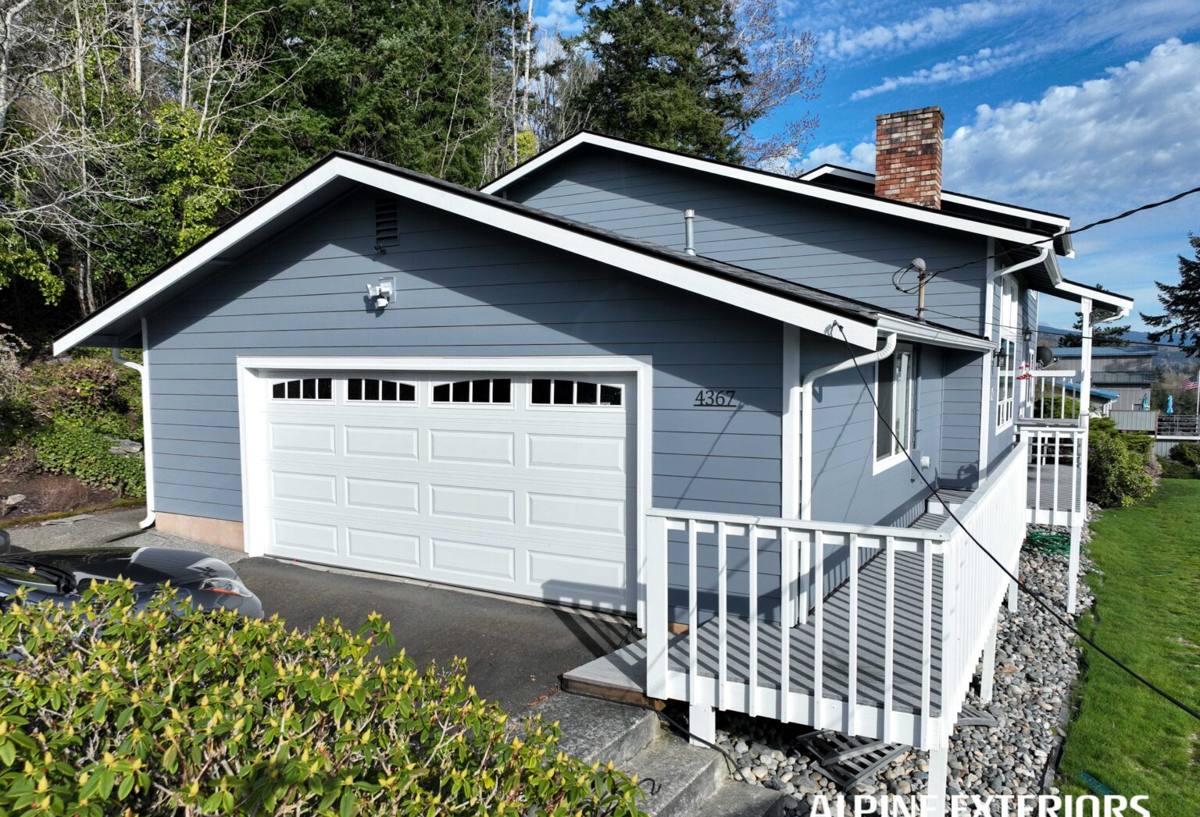
The Deck Problems We See Most Often in This Area
Ledger Board Rot
The ledger board — the piece that bolts the deck to the house — is the single most common failure point on any deck, and it's usually hidden behind decking or trim until it's already a problem. Wind-driven rain pushes water behind the ledger where it can sit against the house rim joist for days. Without proper flashing, that moisture works into the wood and starts the deck's most serious failure: loss of the structural connection to the house.
Corroded Fasteners and Connectors
Standard electro-galvanized nails and screws were never designed for salt air exposure. In a Marietta location, we regularly find fasteners that have rusted through or lost most of their holding strength well before the wood around them shows obvious damage. Joist hangers are a particular concern — a rusted-out hanger can fail with very little visible warning.
Soft or Spongy Decking
Boards that feel spongy underfoot, especially near the house or in shaded, moss-prone areas, are usually further along in decay than they look from the top. By the time decking feels soft, the joists underneath are often affected too.
Guardrail and Post Rot
Rail posts take on water at the base where they meet the deck surface, and that connection point is a common rot spot. Since guardrails are a safety item, not just an appearance item, this is one we never treat as cosmetic.
Slick, Moss-Covered Surfaces
Beyond the structural issues, moss and algae buildup on decking creates a real slip hazard through the wet months and signals that the deck isn't shedding water and drying out the way it should.
What an Honest Deck Repair Actually Involves
A proper deck repair starts below the surface, not with a pressure washer and a coat of stain. Here's the sequence we follow on every job:
- Structural probe and moisture check. We probe the ledger board, rim joist, joists, and posts with an awl and check suspect areas with a moisture meter. This tells us what's cosmetic and what's structural before we quote anything.
- Ledger and flashing inspection. If the ledger connection hasn't been properly flashed, that gets corrected as part of the repair — patching decking over a bad ledger connection just hides the real problem.
- Hardware assessment. Every joist hanger, bolt, and structural fastener gets checked for corrosion, not just visually assumed to be fine because the deck is still standing.
- Targeted replacement. Rotted framing members, damaged decking boards, and failed posts get replaced — we don't tear out sound wood just to make a job look bigger.
- Code compliance check. Guardrail height, baluster spacing, and stair rise/run get checked against current code during any repair that touches those elements, since older decks often predate current requirements.
Depending on scope, deck repairs in Whatcom County may require a permit, particularly if structural framing, footings, or guardrails are involved. We handle that conversation with you up front rather than after the work is done.
Repair or Replace? How We Actually Decide
This is the question every homeowner asks, and the honest answer depends on where the damage is, not just how bad it looks.
| Condition | Usually Repairable | Usually Needs Replacement |
|---|---|---|
| Ledger board | Surface weathering, minor flashing gaps | Soft wood, visible separation from house |
| Joists | Isolated rot at one or two joist ends | Widespread soft spots across the frame |
| Decking boards | A handful of cupped or split boards | Most boards soft, splintering, or moss-stained through |
| Posts & footings | Surface rot above a sound base | Rot at the base, undersized or shifted footings |
| Fasteners/hardware | Scattered rust, deck otherwise sound | Widespread corrosion on hangers and structural bolts |
As a rule of thumb: if the problems are isolated and the underlying frame is sound, repair makes sense and costs a fraction of replacement. If rot has reached multiple structural members or the ledger connection itself, patching around it usually costs more over a few years than doing it right once.
Materials and Hardware Suited to This Climate
What goes into a Marietta deck repair matters as much as the labor. Given the salt air exposure here, we're selective about hardware in particular.
| Component | Standard Option | Better Fit for Marietta |
|---|---|---|
| Structural fasteners | Electro-galvanized | Hot-dip galvanized or stainless steel |
| Joist hangers | Standard galvanized | Triple-coated or stainless in high-exposure spots |
| Ledger flashing | None or aluminum only | Proper flashing with a compatible sealant, avoiding direct aluminum-to-pressure-treated contact |
| Decking material | Standard pressure-treated lumber | Pressure-treated for framing; cedar or composite for decking, chosen per budget and maintenance preference |
We're upfront that composite decking costs more up front than wood but takes moss and moisture better and needs far less upkeep — and that cedar, while a strong-looking natural option, does need periodic sealing to perform well in this climate. Neither is wrong; it's a maintenance-versus-upfront-cost decision we walk through with you rather than pushing one material as universally "best."
Our Repair Process, Step by Step
Every job follows the same basic path, whether it's a single rotted joist or a larger structural repair:
- On-site inspection. We walk the deck, probe suspect wood, and check the framing from underneath where access allows.
- Written estimate. You get a clear breakdown of what's structural, what's cosmetic, and what each part costs — no bundled guesswork.
- Permit check, if needed. For structural or guardrail work, we confirm what Whatcom County or the applicable jurisdiction requires before starting.
- Demo of affected areas only. We remove decking and framing that's actually compromised, protecting the sound structure around it.
- Structural repair and hardware upgrade. Ledger flashing, joist hangers, and fasteners get brought up to a standard that holds up to salt air and driving rain, not just matched to whatever was there before.
- Decking, rail, and finish work. New boards and rail components go in, and any finish or sealant is applied per the manufacturer's spec.
- Final walkthrough. We check the deck with you before calling it done.
Keeping a Marietta Deck in Good Shape Between Repairs
A repaired deck still needs regular attention in this climate. This is the maintenance rhythm we recommend to homeowners here:
- Sweep leaves and debris off the deck regularly through fall — trapped organic matter is what feeds moss growth
- Clean moss and algae off decking surfaces at least once a year, ideally before the wet season sets in
- Check the gap where the deck meets the house siding for any signs of water staining or soft trim
- Look underneath the deck once a year for rust streaks on hardware or soft spots in framing
- Reseal wood decking on the manufacturer's recommended schedule — don't wait until it's visibly gray and dry
- Keep gutters and downspouts near the deck clear so runoff isn't dumping extra water onto or under it
- Address small issues — a loose board, a rusted screw head — before the next wet season, not after
Why It Matters to Hire a Crew That Already Works in Marietta
Deck repair advice that works in a dry inland climate doesn't always hold up here. A crew that hasn't worked salt-air, high-rain areas before might use standard hardware that looks fine for a couple of years and then fails early, or miss that a ledger flashing detail needs to account for wind-driven rain specifically. Working regularly in Ferndale and the surrounding Whatcom County communities means we've seen how decks in this exact environment actually fail over time — which fastener grades hold up, which flashing details keep water out of a ledger connection, and which areas of a deck need the closest attention given the moss season and the salt air coming off the water. That's the difference between a repair that lasts and one you're revisiting in two years.
Get a Free, No-Pressure Estimate
If your deck has soft spots, rusted hardware, or just isn't holding up the way it used to, we're happy to take a look and give you a straight answer on what it needs — repair or replacement, no upsell. Fill out the form below to schedule a free estimate for your Marietta property.