 Ferndale
 Composite Decking Built for Kendall's Weather, Not Just Its Looks
Kendall sits back from the water compared to a lot of Whatcom County, but the same weather system runs the show out here: long wet stretches from fall through spring, humidity that never fully clears out under tree cover, and summers that swing hot enough to matter for dark-colored materials. A deck in this part of the county isn't just a place to put a grill — it's a structure that sits outside under a marine-influenced climate twelve months a year, and it gets treated that way when we build it.
Composite decking has become the default recommendation for homeowners in this area who are tired of the annual wood deck routine — the pressure washing, the re-staining, the boards that cup or split after a couple of wet winters. Done right, a composite deck takes that maintenance cycle off your plate. Done wrong — wrong substructure, wrong fastening, wrong ventilation — it can trap moisture just as badly as neglected wood, sometimes worse. This page covers what actually matters for a composite deck built in and around Kendall, not composite decking in general.
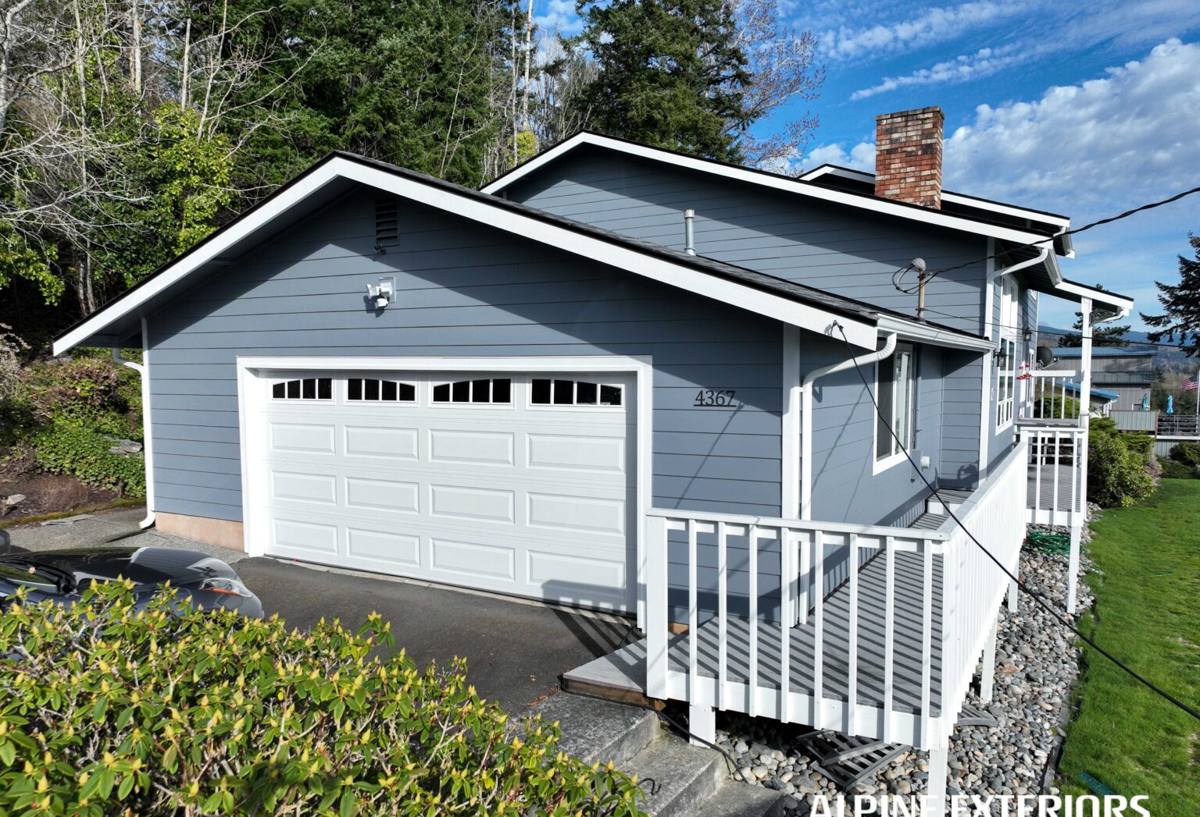
What Whatcom County Weather Actually Does to a Deck
Whatcom County's climate is defined by moisture that lingers, not just moisture that falls. Whether a property is closer to the coast or further inland toward Kendall, the same driving rain and long stretches of overcast, damp air move through the region and settle into anything that can hold water — decking boards, joists, the gap where a deck meets the house.
Salt Air and Moisture Cycling
Even away from the immediate shoreline, this region's air carries enough salt and moisture to accelerate corrosion on fasteners, brackets, and any exposed metal hardware over time. It's a slower effect than you'd see right on the water, but it's real, and it's one reason we're picky about the grade of fasteners and connectors we use on every deck we build in this county, not just the ones closest to the beach.
Moss, Algae, and Shade
Kendall's tree cover and the region's long, mild, wet stretches add up to a genuine moss season — not just a few weeks, but months where shaded, north-facing, or low-airflow deck surfaces stay damp enough for moss and algae to take hold. On wood, that means slow rot underneath the growth. On composite, it's mostly a surface and traction issue, but only if the board and the airflow underneath it are set up to shed water instead of holding it.
Composite vs. Wood vs. Other Decking Options in This Climate
There's no universally "best" decking material — there's the right material for how a homeowner wants to spend their time and money over the next 20-plus years. Here's how the common options actually perform under Whatcom County conditions:
| Material | Moisture Behavior Here | Maintenance | Typical Lifespan |
|---|---|---|---|
| Capped composite | Sheds water, resists moss staining better than wood, cap layer blocks moisture absorption into the core | Occasional wash-down, no staining or sealing | 25-30+ year warranty range from most manufacturers |
| Pressure-treated wood | Absorbs moisture readily, prone to cupping and splitting after repeated wet/dry cycles | Annual cleaning, re-staining every 1-2 years | 10-15 years before major repair or replacement |
| Cedar | Naturally rot-resistant but still absorbs moisture; graying and surface checking common in this climate | Regular sealing to maintain color and moisture resistance | 15-20 years with upkeep |
| Uncapped/early-generation composite | Older formulations can absorb moisture at the core and are more prone to mold staining in shaded, damp spots | Low, but moisture staining can be hard to fully clean | Shorter effective lifespan in wet climates than capped composite |
We install capped composite almost exclusively on Kendall-area jobs. Uncapped and older composite formulations still exist on the market, but given how much shade and moisture this region deals with, we don't consider them a good match for this climate and we'll tell a homeowner that directly during an estimate rather than sell them a product we wouldn't put on our own house.
What a Correct Composite Deck Installation Actually Involves
Composite boards themselves are pretty forgiving. What's underneath them is where a deck's long-term performance in this climate is decided.
- Joist spacing matched to the board: composite boards typically need tighter joist spacing than wood, especially at angles or on stairs — using wood-spec spacing is one of the most common shortcuts that leads to a bouncy or sagging deck.
- Ledger board flashing: the connection point where a deck attaches to the house is the single most common source of hidden water damage on any deck in this region. Proper flashing keeps water from running behind the siding and into the wall assembly.
- Ventilation underneath: composite decking needs airflow beneath it to dry out after our wet stretches. Low-clearance or enclosed substructures trap humidity and shorten the life of both the boards and the framing.
- Corrosion-resistant fasteners and hardware: given the salt and moisture in this region's air, we use hardware rated for coastal or high-moisture exposure, not standard interior-grade fasteners.
- Hidden fastener systems with proper gapping: composite expands and contracts with temperature more than wood. Board gapping has to account for that movement, or boards can buckle or the fastener clips can be overstressed.
- Grading and drainage under the deck: if the ground beneath a low deck doesn't drain, moisture just sits there and works its way up regardless of what's on top.
How We Approach a Composite Deck Project in Kendall
The process is the same discipline every time, adjusted to the specific lot:
- On-site assessment: we look at sun exposure, tree shade, existing drainage patterns, and the condition of any existing structure being replaced. This tells us how much ventilation and drainage attention the new deck needs.
- Design and layout: board direction, joist spacing, stair placement, and railing choice get worked out based on the home and how the space will actually be used.
- Material selection: we walk through board options, colors, and finish, along with the honest trade-offs of each — heat retention on darker colors, grain pattern, and warranty terms.
- Substructure build: framing, ledger flashing, and hardware go in to spec before a single composite board is placed. This is the part of the job that determines how the deck holds up in 5, 10, and 20 years.
- Decking installation: boards are set with correct spacing and fastening for thermal movement and drainage.
- Final walkthrough: we go over the finished deck, any manufacturer warranty registration, and basic care so there are no surprises later.
Choosing the Right Board and Color for a Shaded, Damp Lot
Two decisions matter more in this climate than in drier parts of the country: cap type and color.
Fully capped composite — where the protective polymer shell wraps all four sides of the board, not just the top — handles our wet/dry cycling better than boards capped only on the visible face. It costs somewhat more up front but resists moisture intrusion at cut ends and edges, which matters on a property with real shade and moss pressure.
Color affects two things here: heat and moss visibility. Darker boards run hotter in direct summer sun, which matters less under Kendall's tree cover than it would on an open, south-facing lot, but it's still worth discussing if part of the deck gets full afternoon sun. Lighter and mid-tone boards also tend to show algae staining less than very dark boards, which is a practical consideration on a shaded deck that stays damp longer through moss season.
Maintenance Checklist for a Whatcom County Composite Deck
Composite is low-maintenance, not no-maintenance. A few simple habits keep a properly installed deck performing for decades:
- Sweep debris — leaves, needles, moss spores — off the deck regularly, especially in shaded areas where organic buildup accumulates fastest.
- Rinse or wash the surface a couple of times a year to prevent moss and algae from getting a foothold, more often on heavily shaded sections.
- Check that gaps between boards stay clear of packed debris, which can interfere with drainage and airflow.
- Inspect railing posts and stair connections annually for any looseness — hardware, not the composite itself, is usually the first thing to need attention.
- Keep any under-deck storage or landscaping from blocking ventilation openings in the skirting or foundation.
- Address any standing water or poor drainage in the yard near the deck before it becomes a moisture problem underneath.
What Actually Drives the Cost of a Composite Deck
Every deck project is different, but the same handful of factors move the price up or down. We go through these specifically during a site visit rather than quoting a number sight unseen.
| Cost Factor | Why It Matters |
|---|---|
| Deck size and shape | Square footage plus the number of angles, cutouts, and stair sections all add labor and material |
| Board tier | Entry-level capped composite vs. premium fully-capped lines with longer warranties |
| Substructure condition | New framing vs. reusing and reinforcing an existing structure changes both cost and long-term reliability |
| Height and railing requirements | Taller decks and code-required railings add material and labor |
| Site access and grading | Sloped lots, poor drainage, or difficult material access add time to the job |
| Lighting and add-ons | Post caps, deck lighting, or built-in features are optional but common upgrades |
Why It Matters to Hire a Crew That Already Works This Area
A contractor who's worked decks across Whatcom County knows the difference between a lot that dries out fine and one that needs extra attention to airflow and drainage before the first board goes down. We know how the moss season behaves under tree cover, how the driving rain here finds gaps in flashing that a drier climate would never expose, and what hardware actually holds up over years of this moisture cycle rather than just what's cheapest at the yard. That's not something you get from a general contractor who builds a handful of decks a year between other jobs — it comes from doing this work, in this climate, repeatedly.
We're also familiar with the local permitting expectations that apply to deck construction in the county, which keeps the project moving instead of stalling on paperwork we should have caught up front.
If you're weighing a new composite deck or a replacement for an aging wood deck at your Kendall property, we're happy to walk the site with you and give you a straight assessment — no pressure, no upsell on materials you don't need. Use the form below to request a free estimate.