 Ferndale
 Siding Built for Life Near the Water
Homes in and around Lummi Nation sit in one of the more demanding exterior environments in Whatcom County. You've got open water nearby, wind that carries salt spray well inland, driving rain that comes in sideways off the bay during winter storms, and a wet season that stretches long enough for moss and algae to get a real foothold on north-facing walls and anything shaded by trees. Siding out here doesn't get an easy life. It gets tested every year, and cheap or poorly installed material shows the wear fast — usually within the first two or three winters.
We install James Hardie fiber cement siding exclusively, and this is exactly the kind of climate that product line was engineered for. This page covers what homes in this area actually need from their siding, what a correct installation looks like, and why the install matters as much as the material.
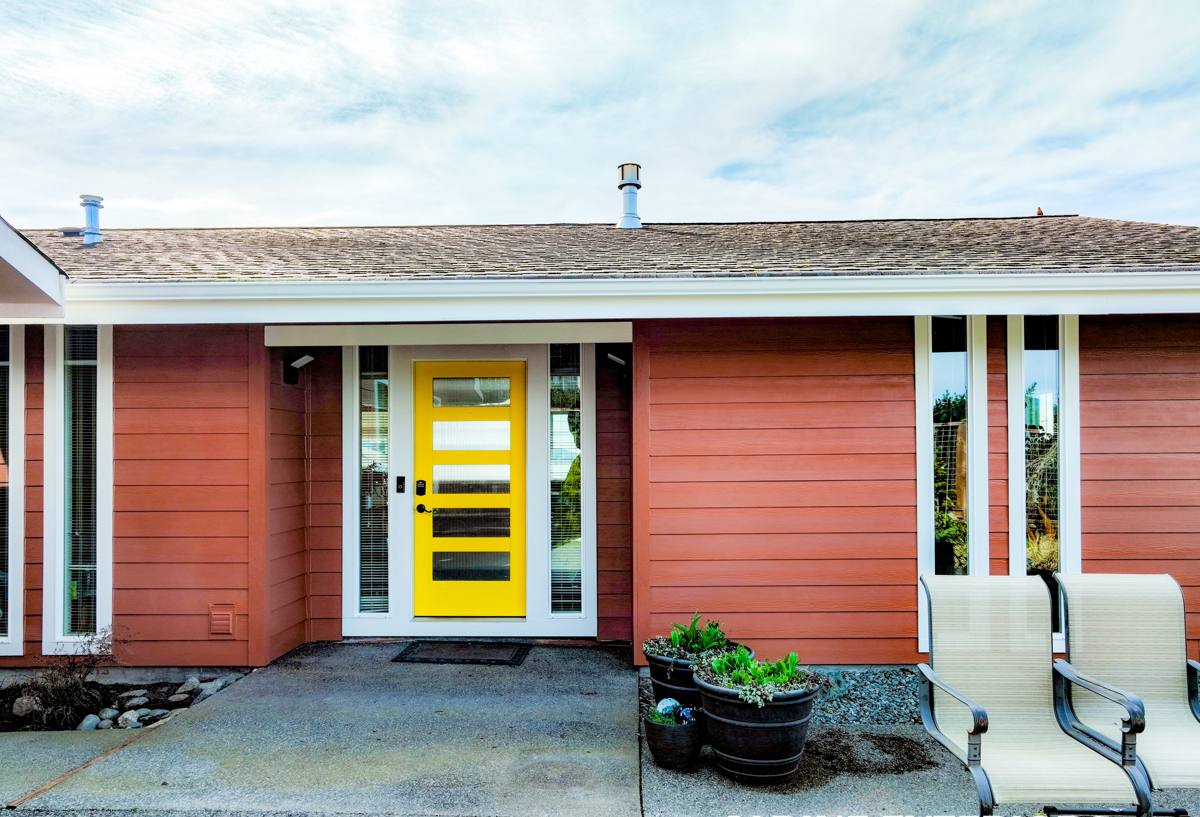
What This Environment Actually Does to Siding
Before talking about products, it's worth being specific about what's working against your siding here:
- Salt air: airborne salt accelerates corrosion on exposed fasteners, trim flashing, and any metal components. It also breaks down cheap coatings and finishes faster than inland exposure would.
- Wind-driven rain: storms off the water don't just fall straight down — wind pushes rain sideways and up under laps, trim, and poorly sealed penetrations. Any gap in the water management plan gets found eventually.
- Long moss and algae season: shaded walls, north exposures, and anything near trees stay damp for extended stretches. Porous or wood-based siding gives moss something to grip and feed on; the wrong paint finish gives algae a foothold too.
- Humidity swings: siding here goes through repeated wet-dry cycles rather than one long dry season. Materials that swell and shrink with moisture — wood, some engineered wood products — are under constant stress.
None of this is unique to Lummi Nation specifically, but waterfront and near-waterfront properties in this part of Whatcom County get a heavier dose of all of it than homes further inland.
Why We Don't Install Wood-Based or Vinyl Alternatives Here
We get asked fairly often about vinyl siding or engineered wood products, usually because they're cheaper up front. In this specific climate, that upfront savings tends to get eaten up by maintenance:
Vinyl siding expands and contracts significantly with temperature swings, can crack in cold snaps, and its seams and butt joints give wind-driven rain more opportunities to work behind the panel. Engineered wood siding (LP SmartSide and similar products) performs fine in many climates, but wood-based substrates are more sensitive to sustained moisture exposure than fiber cement — edge swelling and finish failure show up faster in a marine environment than in a drier one. Both products can be installed correctly and last a reasonable amount of time. We simply don't think either one is the strongest match for salt air, driving rain, and a long wet season, so we've standardized on a product built specifically to resist that combination.
Why Fiber Cement Fits This Climate
James Hardie fiber cement is a cement-and-fiber composite, not wood and not plastic. That composition matters here for a few concrete reasons:
- It doesn't swell, rot, or delaminate from repeated wet-dry cycling the way wood-based products can.
- It's non-combustible, which matters if wildfire smoke and ember exposure is ever a regional concern, and it simply doesn't feed insects or fungus the way wood-based siding can.
- The ColorPlus factory finish is baked on under controlled conditions and holds up better against UV and salt exposure than field-applied paint, which means fewer repaints over the life of the siding.
- Hardie's HZ5 product formulation is engineered specifically for climates with significant moisture exposure — which describes this stretch of Whatcom County well.
Fiber cement isn't magic — it still needs to be installed correctly, with proper clearances and water management, to perform the way it's rated to. That's the part that actually determines whether a siding job holds up out here.
What a Correct Installation Involves in This Area
Most siding failures we get called out to inspect aren't material failures — they're installation shortcuts that let water in. In a climate that gets this much wind-driven rain, a few details matter more than they would somewhere drier:
Water management behind the siding
A weather-resistive barrier (housewrap or building paper) goes on before the siding, and every penetration — hose bibs, vents, light fixtures, electrical — needs to be properly flashed and sealed into that barrier, not just caulked over the siding face. Caulk fails; correctly lapped flashing doesn't rely on a sealant staying intact for twenty years.
Clearances and gaps
Hardie's install specs call for specific gaps at trim, corners, and butt joints, along with proper clearance from grade, roof lines, and decks. Skip these and you create spots where water sits against the material or wicks up from below — the single most common cause of premature siding problems in wet climates.
Fastening
Corrosion-resistant fasteners, driven correctly (not overdriven, which crushes the material and creates a wick point), matter more here than in a drier inland climate because of the salt air. Overdriven or improperly placed fasteners are one of the more common defects we find on jobs done by crews unfamiliar with fiber cement.
Caulking and paint touch-up at cut edges
Every field-cut edge needs to be sealed. ColorPlus finish is factory-applied and durable, but any cut edge exposes raw material that needs the manufacturer-specified touch-up product to keep moisture out.
Product Line Comparison for This Climate
| Product | Best Use | Why It Fits Here |
|---|---|---|
| HardiePlank lap siding | Primary wall siding, most homes | Traditional look, HZ5 formulation resists moisture cycling and salt exposure well |
| HardieShingle | Accent gables, dormers | Adds texture without introducing a wood-based moisture liability in exposed areas |
| HardiePanel vertical siding | Modern facades, shop/accessory buildings | Fewer horizontal laps means fewer water-entry points on simple wall planes |
| HardieTrim | Corners, fascia, window/door trim | Matches the wall material's moisture resistance instead of mixing in wood trim that rots first |
Our Process
- On-site assessment: we look at wall exposure, existing moisture damage, trim and flashing condition, and shaded/moss-prone areas before quoting anything.
- Water management plan: housewrap, flashing details, and penetration sealing are planned before a single piece of siding goes up — this is where most long-term performance is decided.
- Install to Hardie spec: correct gaps, fastening, and clearances, with attention to the areas that take the most wind-driven rain.
- Finish detailing: cut-edge sealing, trim, and caulking at transitions.
- Walkthrough: we go over the finished job with you before calling it done.
Cost Factors for Fiber Cement Siding Jobs Here
| Factor | Why It Affects Cost |
|---|---|
| Existing siding removal and sheathing condition | Moisture damage found underneath old siding (common on wall sections that face prevailing wind and rain) needs repair before new siding goes on |
| Wall complexity | More corners, dormers, and trim details mean more labor and material cuts |
| Product mix | Combining lap siding with shingle accents or panel sections changes material and labor cost |
| Site access | Waterfront and larger-lot properties sometimes have longer material staging and access considerations |
| Color and finish choice | Factory ColorPlus finish options vary slightly in cost tier but all include the factory warranty coverage |
We give straightforward, itemized estimates rather than a flat per-square-foot number pulled out of thin air — every home's exposure and condition is different, especially this close to the water.
What to Ask Before Hiring a Siding Contractor Here
- Do they have documented experience installing fiber cement specifically, not just general siding experience?
- Will they show you the water management and flashing plan before install starts, not just the finished look?
- Do they follow James Hardie's published fastening and clearance specs, and can they explain why those specs exist?
- Do they carry manufacturer certification or training on Hardie products specifically?
- Will the workmanship be backed by a written warranty separate from the material warranty?
- Are they familiar with the wind and moisture exposure specific to properties near open water in this area?
Note that some properties in and around Lummi Nation may involve permitting or land-use considerations specific to the property's location — that's worth confirming with the appropriate local authority before work begins, and we're happy to work around whatever that process requires.
Why Local Experience Matters
A crew that's only worked drier inland neighborhoods can install fiber cement perfectly well by the book and still miss the details that matter most in a marine-exposed climate — because those details don't come up as often somewhere the rain isn't wind-driven and the air isn't salt-laden. We work throughout Ferndale and greater Whatcom County, including homes closer to the water, and we plan every job around the exposure that specific wall actually gets, not a generic install checklist.
If your current siding is showing moss buildup, staining, soft spots, or paint failure on the sides that face the water or prevailing wind, that's usually a sign the water management behind it — not just the surface — needs attention, not just a repaint.
If you'd like a straightforward look at your home's siding and an honest opinion on what it needs, we're glad to come take a look. Use the form below to request a free, no-pressure estimate.