 Ferndale
 Siding Repair Built for the Lummi Nation Area
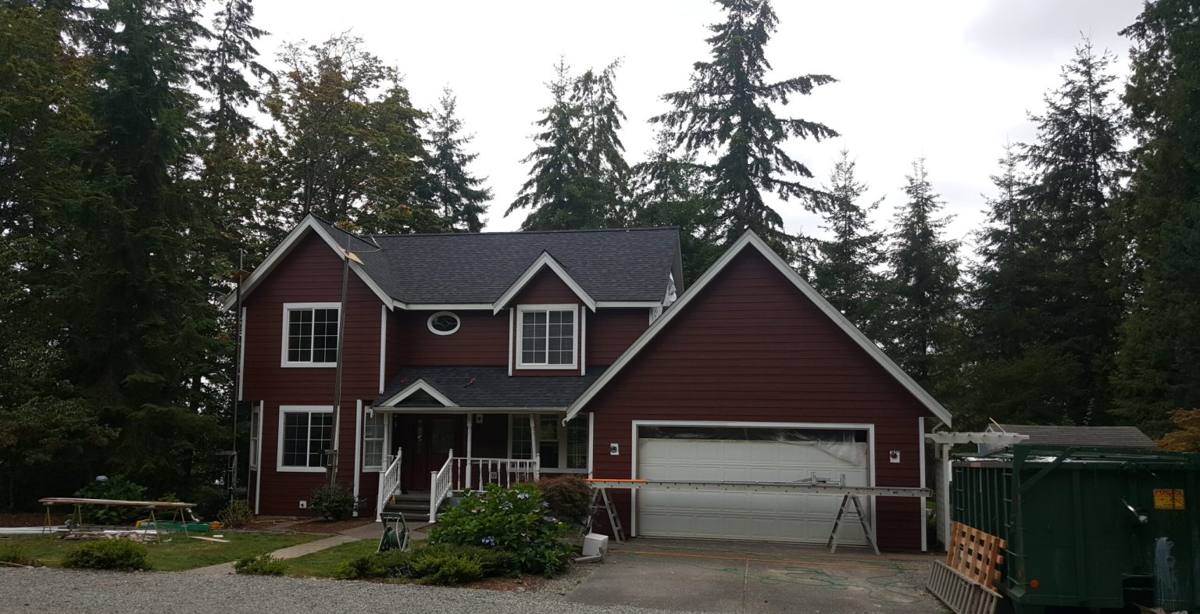
Homes in and around Lummi Nation sit close to Bellingham Bay and the tidal flats of northern Puget Sound, which means they take a different kind of beating than a house ten miles inland in Ferndale proper. Salt-laden air, wind-driven rain off the water, and long stretches of shaded, damp ground all work on siding year-round. When we get a call for siding repair out here, we're not just patching a hole — we're evaluating how the whole wall system has held up against conditions that are genuinely harsher than the Whatcom County average.
This page covers what siding repair actually involves in this specific area, what tends to fail first, and how we approach the job so the repair outlasts the original problem.
Why This Location Is Tougher on Siding
Salt Air and Coastal Moisture
Proximity to the bay means airborne salt settles on exterior surfaces and accelerates the breakdown of fasteners, caulk, and any siding material that isn't built to shrug off moisture. Salt air doesn't just corrode metal trim and nail heads — it also holds moisture against the siding surface longer than dry inland air would, which keeps wood-based products wet at the exact times they need to dry out.
Driving Rain Off the Water
Storms coming off the water tend to arrive with wind, and wind-driven rain finds every gap a calm rain would miss — lap joints, corner trim, window and door flashing, and any seam where caulking has started to fail. On homes closer to open water or exposed to prevailing wind, we routinely see moisture intrusion at points that would stay dry on a more sheltered lot.
A Long Moss and Algae Season
Whatcom County's wet, mild winters and shaded tree cover around Lummi Nation create ideal conditions for moss and algae to colonize siding for much of the year, not just a few winter months. Moss holds water against the surface, and on porous or absorbent siding materials that constant dampness is what eventually causes swelling, delamination, or rot underneath the surface — long before it's visible from the ground.
What Actually Fails First Out Here
Repair calls in this area follow a pretty consistent pattern. Knowing what to look for helps homeowners catch problems before they turn into a full re-side.
- Butt joints and lap seams where caulking has shrunk or failed, letting wind-driven rain track behind the siding
- Bottom courses near grade where splashback, moss buildup, and poor drainage keep the material wet longest
- Corner boards and trim where two materials meet and movement over time opens gaps
- Fastener corrosion from salt exposure, which leaves rust streaks and loosens the siding's grip on the wall
- Panel swelling or soft spots on wood-based or engineered wood siding that has absorbed moisture repeatedly without fully drying
- Paint or coating failure showing as chalking, peeling, or color fade well ahead of the manufacturer's expected life
What a Correct Repair Involves
Diagnosis Before Patching
A visible crack or gap is usually a symptom, not the whole story. Before we replace anything, we check what's happening behind the siding — whether the water barrier is intact, whether framing or sheathing underneath has taken on moisture, and whether the damage is isolated or spreading along a seam. Patching over a wet wall assembly just hides the problem for another season.
Matching Materials the Right Way
If the home already has James Hardie fiber cement siding, repair is straightforward — we replace damaged boards with matching profile and ColorPlus finish so the patch doesn't stand out and doesn't need repainting. If the home currently has a different material (wood, vinyl, engineered wood, or an older fiber cement product), we'll repair it honestly where a repair makes sense, and we'll tell you plainly if the underlying material is the reason the damage keeps recurring — that's a conversation about long-term value, not an upsell.
Sealing and Flashing, Not Just Caulk
A lasting repair addresses water management, not just the cosmetic gap. That means correct flashing at joints and penetrations, proper lap orientation so water sheds outward instead of pooling, and sealant used where it belongs rather than as a substitute for good flashing.
Why We Install Only James Hardie Fiber Cement
We don't install LP SmartSide, vinyl, Cemplank, Allura, primed spruce, or cedar. Each of those has a legitimate place in the market, but none of them holds up the way we want a repair — or a full re-side — to hold up against salt air, driving rain, and a moss season that doesn't really end. Wood-based and engineered wood products are more sensitive to sustained moisture exposure than fiber cement, which means repairs on those materials in this environment tend to recur. Vinyl can warp or crack under UV and temperature swings and doesn't take the same factory finish. Other fiber cement brands compete on some specs, but we standardized on James Hardie because of its ColorPlus factory finish, its climate-engineered HZ product lines built specifically for wet regions like ours, and a transferable warranty backed by a company with decades of manufacturing behind it.
When we repair a Hardie home, the new boards are non-combustible fiber cement with the same factory-baked color, so the repair blends in and doesn't need field painting. That's a meaningful difference from patching wood siding, where a repair almost always needs fresh paint to match — and even then, the color and sheen rarely match perfectly once the surrounding paint has weathered.
Material Comparison for This Climate
| Material | Moisture Resistance | Repair Match Quality | Typical Issue Near Water |
|---|---|---|---|
| James Hardie Fiber Cement | High — engineered for wet climates | Excellent — factory finish matches | Minimal; requires proper install and caulking maintenance |
| Cedar / Primed Wood | Low to moderate — absorbs moisture | Fair — needs repainting to match | Rot, swelling, moss retention |
| Vinyl | Moderate — doesn't absorb, but can trap moisture behind it | Poor — color fades unevenly over time | Warping, cracking, gaps at seams |
| Engineered Wood (LP SmartSide) | Moderate — better than raw wood, still moisture-sensitive at edges | Good if caught early | Edge swelling where cuts expose the core |
Our Process for Lummi Nation Siding Repair
- On-site inspection — we look at the damaged area and check adjacent sections, corners, and lower courses for related issues, since damage in this area rarely stays isolated
- Moisture check — we assess whether water has reached the sheathing or framing, which changes the scope of the repair
- Honest scope and estimate — you get a clear explanation of what's failing, why, and what it will take to fix it correctly, including whether a repair or a broader re-side makes more financial sense
- Repair or replacement — matched materials, correct flashing and lap sequencing, and fasteners suited to the coastal environment
- Final check — we confirm water sheds correctly and the repaired section is sealed and finished to match the rest of the home
Why Local Experience With This Area Matters
A contractor who mostly works drier, more sheltered parts of Whatcom County can still do competent general siding work, but they may not immediately recognize how much faster salt air and coastal wind-driven rain accelerate damage compared to homes further from the water. Crews who already work in and around Lummi Nation know which details — corner flashing, grade clearance, fastener choice — matter more here than they would on a similar house a few miles inland. That local pattern recognition is often the difference between a repair that lasts and one that's back on the schedule in two years.
When Repair Makes Sense vs. When It Doesn't
Not every damaged section needs a full re-side, and not every small crack is "just cosmetic." A few honest guidelines:
- Isolated damage on a home with intact siding elsewhere is usually a good repair candidate
- Repeated failure at the same spot after a prior repair often points to an underlying moisture or flashing problem, not a bad patch job
- Moss or algae coverage without soft spots is a cleaning and maintenance issue, not necessarily a repair issue — though it should be addressed before it becomes one
- Widespread swelling, soft boards, or paint failure across multiple walls is usually a sign the material itself has reached the end of its useful life in this climate
Maintenance That Extends the Life of a Repair
Whatever material is on your home, a few habits go a long way in this climate:
- Keep gutters and downspouts clear so water isn't sheeting down the siding face
- Trim back vegetation and tree cover that keeps siding shaded and damp longer than necessary
- Rinse moss and algae buildup before it takes hold, rather than after it's established
- Inspect caulking at joints and trim annually, since this is usually the first thing to fail under coastal wind exposure
- Address small cracks or gaps promptly — they're far cheaper to fix before water gets behind the siding than after
If you're seeing damage, moss buildup, or recurring problems on your Lummi Nation area home, we're glad to take a look and give you a straight answer about what's going on and what it will take to fix it right. Reach out for a free, no-pressure estimate — there's a form right below this page.