 Ferndale
 Window Installation for Bellingham Homes
Bellingham sits on the water, which means its homes take on a specific mix of exterior stress that a generic manufacturer install guide doesn't fully account for: salt-tinged marine air moving in off Bellingham Bay and the Salish Sea, rain that arrives sideways more often than it falls straight down, and a moss and mildew season that can run most of the year on shaded or north-facing walls. Windows sit right at the seam between the inside of a house and all of that weather. A window can be a good, well-rated unit and still fail early in this climate if the flashing, sill pan, and fastening weren't built for what Bellingham actually throws at a wall.
We're Ferndale Siding, and while siding is our core trade, window installation is a natural extension of it — a window is never really an isolated product. It's one component of the wall assembly, and it has to integrate with the siding, house wrap, and flashing around it or it becomes the weak point in an otherwise solid exterior. We bring that same wall-assembly thinking to window installation work in Bellingham and across the rest of Whatcom County.
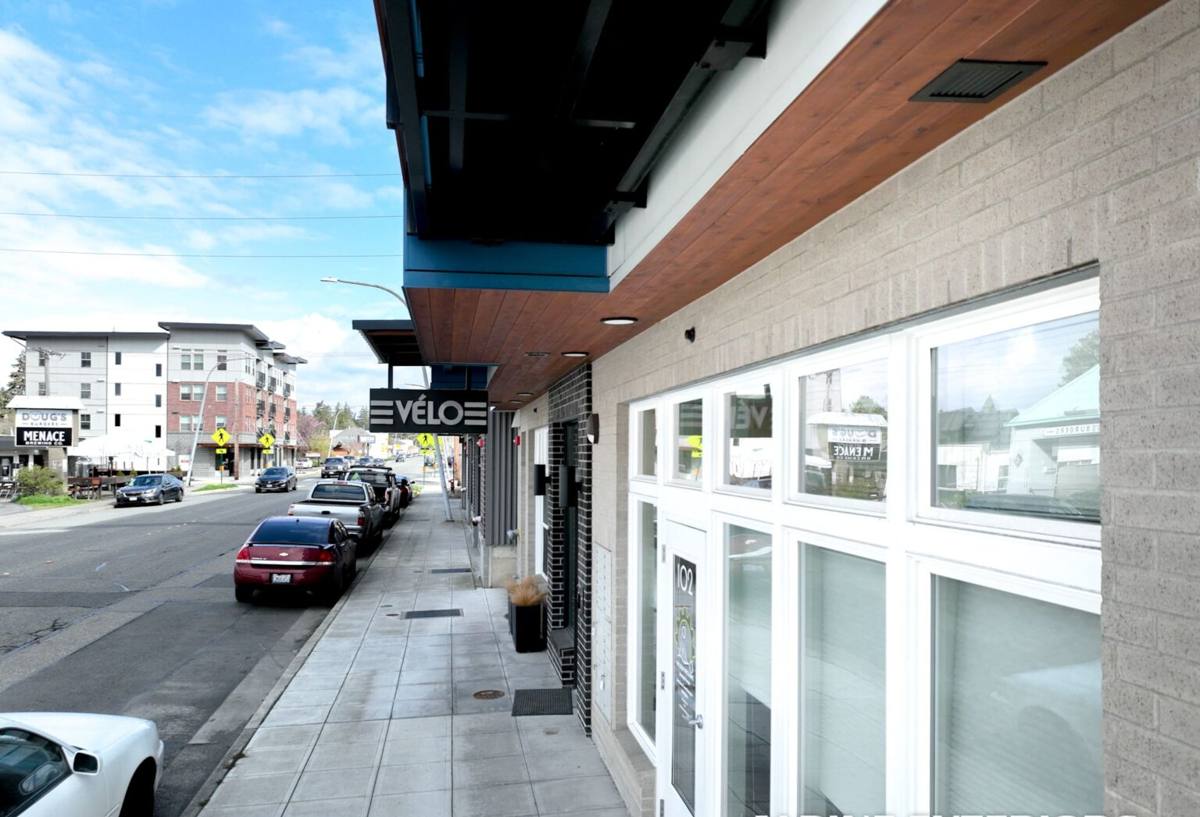
What Bellingham's Climate Demands From a Window Installation
Salt Air and Hardware Corrosion
Bellingham's setting on the bay means a steady flow of salt-carrying marine air moving through the city, not just on stormy days. Over time that accelerates corrosion on window hardware, screen frames, and lower-grade fasteners, particularly on elevations that face open water or prevailing weather. Cheaper hardware finishes tend to show pitting or stiffness first, often years before the window itself shows any other sign of trouble.
Wind-Driven Rain Against Flashing
Rain off the bay rarely falls straight down. Wind pushes it sideways into window flashing, head trim, and the sill beneath the frame, and that sideways load tests the installation far more than it tests the window product itself. A quality window with sloppy flashing will leak eventually. A modest window installed with a correctly pitched sill pan and properly lapped flashing usually won't. Most of the water damage we find tracing back to a window opening started with an installation shortcut, not a bad unit.
A Long Moss and Mildew Season
Mild temperatures, tree cover, and consistent dampness give moss and mildew a long season to work on shaded surfaces across Bellingham, and windows aren't exempt. Sills that don't drain well hold moisture longer than they should, and on wood-framed windows that moisture eventually shows up as soft trim or slow rot at the lower corners. It's a gradual problem — most homeowners don't notice it until paint starts failing or a sill feels spongy underfoot.
Frame Materials: What Actually Holds Up Here
There's no single correct answer for every home. Budget, sun exposure, and how long you plan to stay in the house all factor into the decision. What matters is understanding the honest trade-offs for a climate with this much sustained moisture before you commit to one.
| Frame Material | How It Handles This Climate | Typical Upkeep | Realistic Lifespan Here |
|---|---|---|---|
| Vinyl | Won't rot; performs well when welds and seams are installed correctly | Low — occasional track and weep-hole cleaning | 20-30 years |
| Fiberglass | Dimensionally stable; resists moisture and corrosion well near the water | Low | 30-40+ years |
| Wood, painted or clad | Attractive but vulnerable at joints and sills without diligent upkeep | Higher — regular paint or finish maintenance | 15-30 years depending on upkeep |
| Aluminum | Conducts cold and can corrode in salt-influenced air unless well-finished | Moderate | 20-30 years |
We'll walk through which frame material fits your specific exposure, not default to whichever is easiest to sell. A shaded wall facing inland and a bay-facing wall on the same Bellingham house don't always call for the same answer, and a house closer to the waterfront generally has a stronger case for fiberglass or a well-finished vinyl than one set further back from open water.
Do You Install a Specific Window Brand?
On siding, we install James Hardie fiber cement exclusively — that's a standard we settled on for this exact climate. Windows are different. Several manufacturers make well-engineered vinyl, fiberglass, and composite windows that perform well in a marine climate, and the right choice depends more on frame material, glass package, and warranty structure than on chasing a single logo. We'll walk you through the options that make sense for your home and budget rather than pushing whatever's easiest to move, and we'll be equally direct if a particular product line isn't a good fit for a bay-facing or heavily shaded wall.
What a Correct Window Installation Actually Involves
Full-Frame Replacement vs. Insert Replacement
One of the first decisions on any project is whether to do a full-frame replacement, which removes the old window down to the rough opening and rebuilds the flashing from scratch, or an insert replacement, which sets a new window into the existing, sound frame. Insert replacement is faster and less disruptive to surrounding siding and trim, and it's a reasonable choice when the existing frame is structurally sound and was properly flashed to begin with. Full-frame replacement takes longer and costs more, but it's the honest answer when there's already moisture damage at the sill or jambs, or when the original flashing was never done correctly. We'll tell you plainly which situation your home is actually in.
Sill Pan and Flashing Sequence
This is the step that decides whether a window installation holds up in Bellingham's climate or not. A properly pitched sill pan sheds water outward instead of letting it pool under the frame. Head flashing has to integrate with the house wrap above the window, lapped so water sheds down and out rather than behind the wall. Jamb flashing needs to tie into the surrounding wall assembly rather than relying on caulk as the only line of defense. None of this adds meaningfully to the cost of a job relative to the window itself, but skipping it is exactly what turns a window that should last decades into one that's leaking behind the wall within a few wet seasons.
Fasteners, Weep Holes, and Sealing
Corrosion-resistant fasteners and hardware matter more here than they would inland, given the salt content in the air off the bay. Weep holes and drainage paths need to stay clear and functional, not accidentally sealed shut during installation — a mistake we see on rushed jobs more often than homeowners would expect. Insulation and air sealing around the frame should close drafts without trapping moisture against the framing, which is its own balance to get right.
Signs a Bellingham Home Needs Window Attention
- Visible fogging or condensation trapped between panes, usually a failed seal on a double-pane unit
- Noticeable drafts or a cold spot near a closed window
- Soft, discolored, or spongy trim and sill material, especially on shaded or bay-facing walls
- Windows that stick, won't latch, or are harder to operate than they used to be
- Peeling paint or bubbling finish on wood-framed windows
- Visible gaps, cracked caulk, or daylight showing around the frame from inside
- Water staining on interior wall or ceiling surfaces near a window
Any one of these is worth a look from someone who knows what they're seeing. Caught early, most point to a repair or a reseal. Left through another wet season, several of them point to real moisture damage building in the surrounding framing.
Our Process, Start to Finish
- On-site assessment — we inspect the existing frame, sill, and surrounding wall for hidden moisture damage before quoting anything
- Honest recommendation — insert replacement, full-frame replacement, or repair, explained with the reasoning behind it
- Material and product selection — frame material and glass package matched to your home's exposure and budget
- Removal and opening prep — the old unit comes out carefully, and any rot or flashing failure underneath gets addressed before the new window goes in
- Installation and flashing — the new unit is set, shimmed, and flashed in a sequence built for Bellingham's exposure, not a generic template
- Trim and finish — exterior trim integrated cleanly with the surrounding siding
Cost Factors for Window Installation in Bellingham
| Factor | What It Affects | Why It Matters Here |
|---|---|---|
| Full-frame vs. insert replacement | Labor scope and total project cost | Existing flashing or sill damage found under the old unit often pushes an insert job into full-frame territory |
| Frame material | Unit cost and long-term maintenance | Fiberglass and quality vinyl cost more upfront but resist this climate's moisture and salt exposure with less upkeep |
| Number of openings and access | Labor time | Bay-facing homes with larger or harder-to-access openings take more time to flash correctly |
| Glass package | Unit cost and comfort | Low-E coatings and gas fills help with condensation control given Bellingham's persistent humidity |
| Existing rot or moisture damage | Added repair scope | Common on older homes near the water where flashing wasn't originally detailed for this exposure |
We won't quote a number without seeing the openings in person, but we'll walk through which of these factors apply to your home before you commit to anything.
A Practical Checklist Before You Book a Window Project
- Confirm whether your project needs insert replacement or full-frame replacement — get the reasoning, not just the price
- Ask what the flashing and sill pan plan looks like for your specific openings
- Get a written scope of work and a realistic timeline before signing anything
- Ask how the window unit and the installation labor are each covered under warranty
- Check current Washington contractor licensing and active liability insurance
- Ask whether any existing rot or moisture damage was found, and how it will be addressed before the new window goes in
Windows Don't Work Alone — Why We Also Handle Siding
A window installation that ignores the wall around it is only doing half the job. If the siding, house wrap, or trim adjacent to an opening is already compromised, a brand-new window can still end up sitting in a wet wall. Because siding is our core trade, we look at the full wall assembly during a window project, not just the opening itself, and on siding specifically we install James Hardie fiber cement, chosen for how it holds up against Bellingham's sustained moisture and moss compared to lower-cost alternatives. If a window project turns up damaged siding or trim around an opening, we can address it as part of the same conversation instead of sending you to find a second contractor.
Why a Local Whatcom County Crew Matters for Bellingham Windows
Manufacturer installation guidance is written for average conditions in a moderate climate. Bellingham isn't average — salt air, wind-driven rain, and a moss season that runs most of the year stack the deck against a shortcut installation more than they would somewhere calmer and drier. A crew that installs windows across this specific stretch of coastline through every season learns which parts of that guidance are non-negotiable here and where extra time on flashing is worth it even when it isn't strictly required elsewhere.
That experience shows up in decisions that don't come up in a sales pitch: how much attention a bay-facing wall needs compared to one tucked behind a hillside, how a sill pan should be pitched for the amount of water a given elevation actually sees, and which flashing details are worth the extra time on install day so you're not dealing with a leak two winters later. It also means knowing the difference between a hillside Bellingham home and one closer to the water, and not treating both the same way.
If your Bellingham home has windows that are fogging, drafty, hard to operate, or simply past their useful life, we're glad to take a look and give you a straightforward read on what it actually needs. Use the form below to schedule a free, no-pressure estimate.