 Ferndale
 Windows Built for Lummi Nation's Marine Climate
Homes in and around Lummi Nation sit close to the water, and that changes what a window has to survive. This part of Whatcom County gets salt-laden air off Bellingham Bay and the Strait of Georgia, long stretches of wind-driven rain through fall and winter, and enough shade and moisture on north-facing walls to grow moss on siding, trim, and window sills. Ordinary big-box windows are engineered for a generic climate. Windows here need to be sized, flashed, and finished for a wetter, saltier, mossier reality.
We install custom windows for homes throughout the Ferndale area, including the waterfront and near-waterfront properties around Lummi Nation. That means we're not guessing at what fails first in this environment — we've replaced enough rotted sills, corroded hardware, and fogged double panes out here to know exactly what to build for instead.
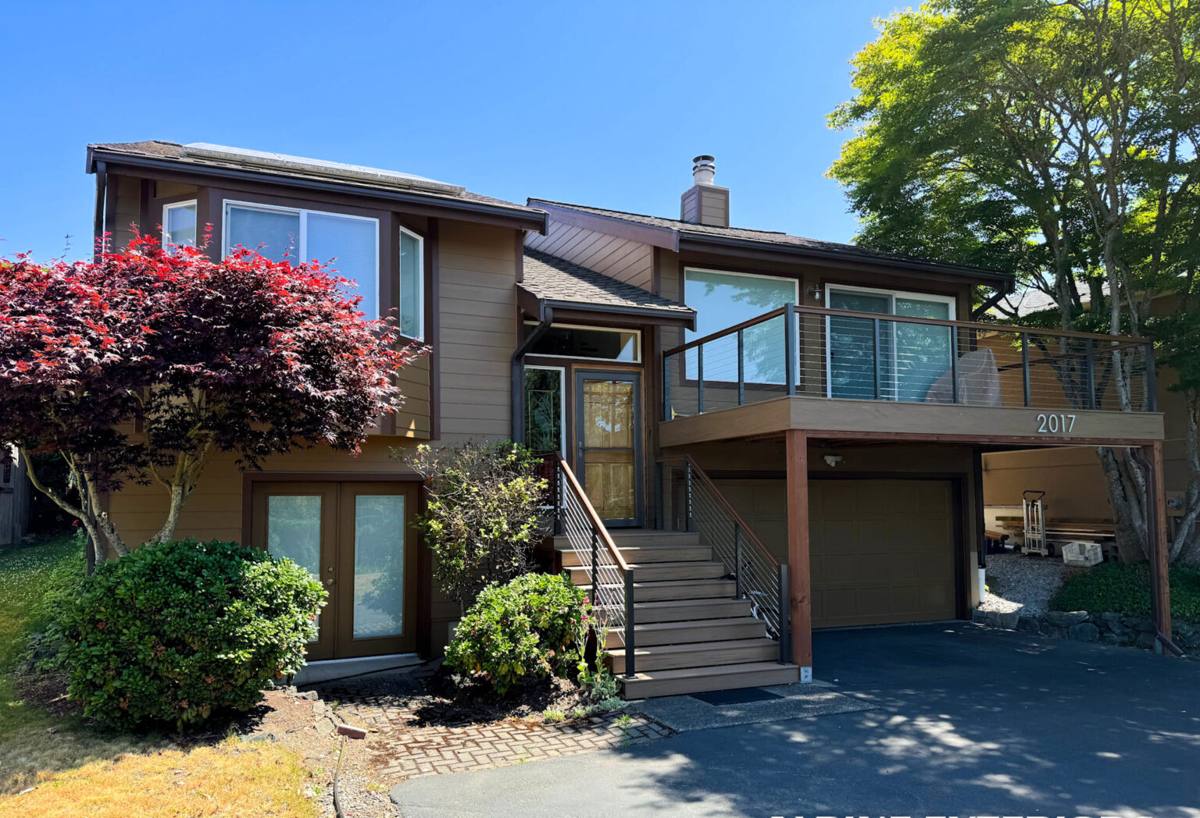
What Coastal Exposure Does to Ordinary Windows
Salt Air and Metal Components
Salt in the air accelerates corrosion on anything metal — hinges, locks, balance systems, and especially aluminum frames or cladding that isn't rated for marine exposure. Once hardware starts to pit and stick, windows get harder to open and seals get harder to maintain, which lets moisture in behind the frame.
Wind-Driven Rain and Water Intrusion
Rain that comes in sideways off the water doesn't behave like rain falling straight down. It gets pushed up under trim, into nail fins, and through any gap in the flashing. A window that would be fine in a sheltered inland yard can leak within a few seasons on an exposed Lummi Nation lot if the flashing details weren't done for that exposure.
Moss, Algae, and Shade
Tree cover and marine humidity together mean moss and algae growth on sills, trim, and even glass isn't unusual on shaded elevations. Left alone, moss holds moisture against wood trim and paint, which speeds up rot at exactly the joints where a window is most vulnerable — the bottom corners and the sill.
Choosing the Right Window Materials
There's no single "best" window material for every home — the right choice depends on exposure, budget, and how the home is built. Here's how the common options actually perform in this climate:
| Material | Coastal Performance | Maintenance | Best Use |
|---|---|---|---|
| Vinyl | Good moisture resistance, won't corrode | Low — occasional cleaning | Most homes, budget-conscious replacements |
| Fiberglass | Excellent — very stable in wet, salty air | Low | Exposed waterfront elevations, long-term durability |
| Wood-clad | Good if cladding and flashing are correct; wood core is the risk point | Higher — cladding seams and sills need monitoring | Historic or high-end aesthetic where wood interior is wanted |
| Aluminum | Poor without marine-grade coatings — prone to corrosion and condensation | Higher | Generally not our first recommendation this close to salt water |
We tend to steer waterfront and near-waterfront Lummi Nation homes toward vinyl or fiberglass because both resist the moisture cycling and salt exposure without the ongoing upkeep that wood-clad or bare aluminum frames demand. If a homeowner wants the look of wood on the interior, we can still deliver that with a wood interior and a weather-resistant exterior cladding — we just make sure the transition between the two is sealed and flashed correctly, since that's the seam that fails first.
Glass Packages Worth Asking About
In a marine climate, the glass matters as much as the frame. Dual-pane, low-E glass with argon fill is the practical baseline — it cuts heat loss and condensation risk. On exposed walls facing the water or prevailing wind, we'll often recommend a beefier spacer system, since standard spacers can fail faster under constant temperature and humidity swings, leading to fogged glass years earlier than expected.
What a Correct Custom Window Installation Involves
Flashing and Water Management
This is the part that determines whether a window lasts 20 years or leaks in three. Correct installation means integrating window flashing with the home's existing water-resistive barrier — sill pan flashing at the bottom, head flashing above, and proper lapping so water is always directed outward and down, never trapped behind the frame. On a home exposed to driving rain off the bay, we don't cut corners here, because this is exactly where cheap installs fail.
Sizing and Custom Openings
"Custom" windows aren't just about style — many older homes in this area have openings that don't match modern standard sizes, especially after settling or previous remodels. We measure and either match true custom dimensions or resize the rough opening properly, rather than forcing an off-the-shelf unit into a gap with excess shims and caulk trying to do the work that flashing should be doing.
Sealing and Insulation
Low-expansion foam and backer rod around the frame, not just caulk at the trim, keeps conditioned air in and moist air out. This also cuts down on the drafts and cold spots that show up first around windows in older Ferndale-area homes once winter storms roll in off the water.
Our Installation Process
- On-site assessment — we inspect existing window openings, sills, and framing for hidden moisture damage before quoting anything.
- Material and glass selection — we walk through frame material, glass package, and grille or trim options based on the home's exposure and style.
- Precise measurement — true custom sizing for the actual opening, not a forced fit.
- Removal and prep — old units come out carefully, and we check the sill and framing underneath for rot or prior water damage before anything new goes in.
- Flashing and installation — sill pan, side, and head flashing integrated with the wall's water barrier, then the window is set, shimmed, and fastened to manufacturer spec.
- Sealing and insulation — foam and sealant applied correctly, not just caulked over gaps.
- Interior and exterior trim — finished to match the home.
- Final walkthrough — we test operation, check seals, and clean up the job site before we call it done.
Signs Your Current Windows Are Failing
Homeowners near Lummi Nation often notice these signs well before a full leak shows up inside — catching them early is cheaper than waiting:
- Fogging or moisture trapped between panes (a sign the seal has failed)
- Soft or discolored wood at the sill or bottom corners
- Windows that stick, won't latch fully, or feel loose in the frame
- Visible moss or dark staining on the sill or trim
- Noticeable drafts or cold spots near the frame in windy weather
- Peeling or bubbling paint around the window trim
- Higher heating bills without another obvious cause
Energy Performance in a Marine Climate
Whatcom County winters aren't extreme in temperature, but they're long, damp, and windy — which means heat loss through poorly sealed or single-pane windows adds up over months of use. Low-E dual-pane glass with a tight, correctly flashed installation makes a real difference in comfort and heating costs, especially on walls that take the brunt of the wind off the water. We size glass packages to the exposure of each wall rather than using the same spec on every elevation of the house.
Why Local Experience in Lummi Nation Matters
A window crew that mostly works drier, more sheltered inland areas can still do competent work — but they may not default to marine-grade hardware, sill pan flashing, or fiberglass frames unless a homeowner specifically asks. Working regularly in Ferndale and the waterfront communities around it means we build those choices into the process from the start, because we've seen what happens when they're skipped: hardware that seizes up within a couple of winters, sills that soften behind fresh paint, and glass that fogs years before it should. Local experience here isn't a slogan — it's the difference between a window that's still solid in year 15 and one that needs attention in year five.
Maintenance to Protect Your Investment
Even the right window benefits from basic upkeep in this climate. A yearly rinse to clear salt residue off frames and glass, a quick check of caulking and weep holes for debris or moss buildup, and clearing gutters so overflow doesn't run down onto window trim all go a long way. None of this takes much time, but skipping it is how a well-installed window ends up needing early attention anyway.
If your windows in the Lummi Nation area are drafty, fogged, hard to operate, or just original to a home that's due for an upgrade, we're happy to take a look and walk you through honest options — no pressure, no obligation. Use the form below to request a free estimate.