 Ferndale
 Deck Repair for Lynden Homeowners
Lynden sits inland from the salt water but still gets the full Whatcom County weather package: long wet winters, heavy dew, and a moss season that can stretch from October well into spring. Decks here take a slower, quieter kind of damage than storm-battered coastal structures — it's not wind that wears them out, it's moisture that never fully leaves. Ferndale Siding repairs decks throughout Lynden and the surrounding area, and most of what we see on service calls traces back to the same root cause: water sitting somewhere it shouldn't.
This page covers deck repair specifically — not full rebuilds, not new construction. If your deck is structurally sound but showing wear, rot pockets, soft spots, or failing fasteners, this is the service that gets it back to solid and safe without the cost of a full replacement.
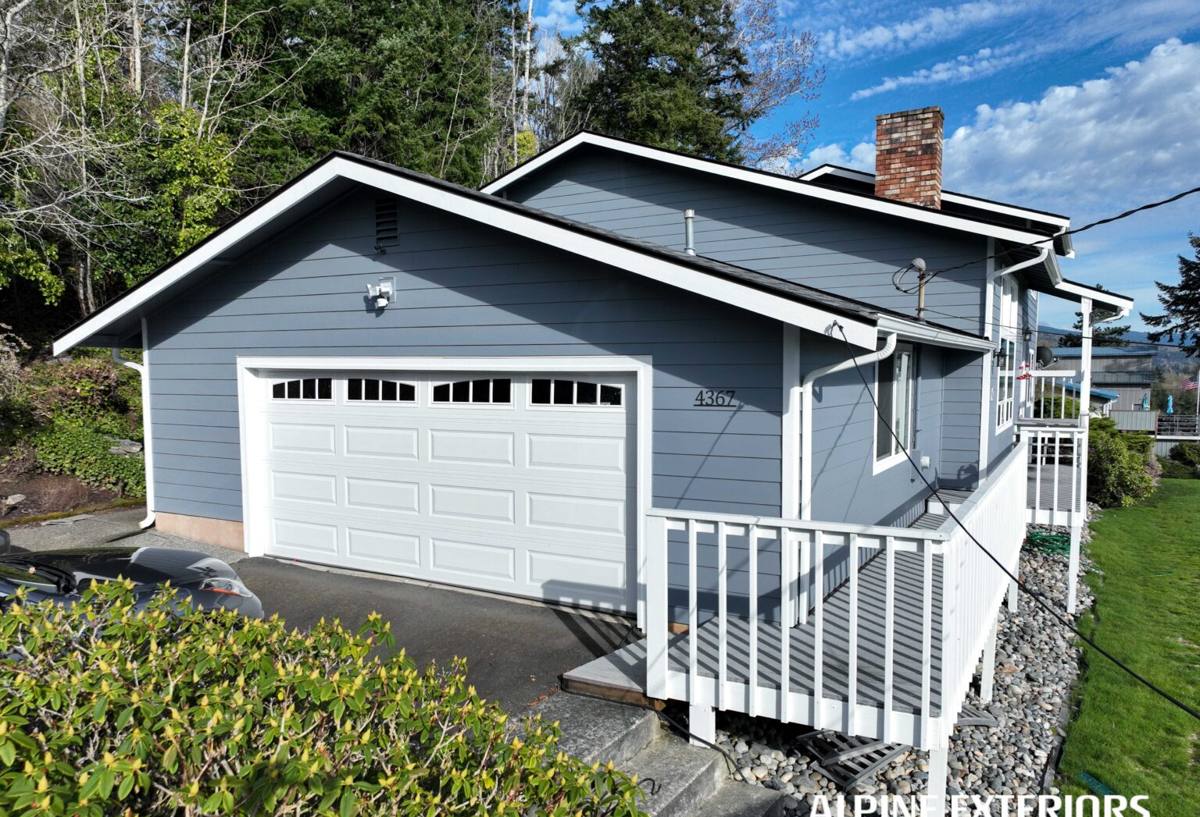
Why Lynden Decks Wear the Way They Do
A few things about this area shape how decks age here, and they're worth understanding before you decide what kind of repair you actually need.
Moisture that lingers
Whatcom County doesn't get dramatic downpours as often as it gets steady, low-intensity rain and heavy overnight dew. That kind of moisture soaks into end grain, ledger boards, and joist tops slowly, and because temperatures stay mild rather than freezing hard for long stretches, wood doesn't always dry out fully between wet spells. Over a few seasons that adds up to rot in spots most homeowners never look at.
Moss and organic buildup
Decking boards, especially on the north or shaded side of a house, collect moss, algae, and leaf litter for a good part of the year. Left alone, that organic layer holds water directly against the wood surface and accelerates decay far faster than open, sun-exposed boards nearby. It also makes the deck slick and genuinely dangerous underfoot.
Fastener and hardware corrosion
Even away from the immediate coastline, the region's humidity is enough to corrode under-spec fasteners and hardware over time. We regularly find decks where the boards themselves are fine but the nails, screws, or joist hangers holding things together have weakened — which is a structural problem hiding behind a cosmetic one.
What a Correct Deck Repair Actually Involves
"Deck repair" gets used loosely, and it can mean anything from swapping a few boards to addressing a compromised structural connection. A repair done right starts with diagnosis, not replacement.
- Identify every soft, spongy, or discolored area — not just the obviously broken board
- Check ledger board attachment to the house, since this is the single most safety-critical connection on any deck
- Inspect joists, beams, and posts from underneath, not just the visible surface
- Test railings and stair stringers for movement or loosened connections
- Confirm flashing at the house-to-deck junction is actually shedding water, not trapping it
- Check fastener condition, not just board condition
- Look for standing water or poor drainage under and around the deck footprint
Skipping the diagnosis step is how homeowners end up replacing the same boards twice — once now, and again in two or three years, because the moisture source underneath was never addressed.
Common Repairs We Handle in Lynden
| Issue | What's Usually Happening | Typical Fix |
|---|---|---|
| Soft or spongy boards | Trapped moisture rotting decking from underneath | Board replacement plus a look at drainage/airflow beneath |
| Loose or wobbly railing | Corroded fasteners or a post connection that's loosened over time | Re-securing or replacing hardware; sistering posts if needed |
| Ledger board separation | Water intrusion at the house connection, often from missing or failed flashing | Flashing repair or replacement and ledger reattachment |
| Persistent slickness/moss | Shaded area holding moisture on the surface | Cleaning, and sometimes board spacing or drainage adjustments |
| Splitting or checking boards | Repeated wet/dry cycling of the wood surface | Selective board replacement; sealing exposed cuts |
| Uneven or sinking sections | Footing or post-base movement | Footing inspection and post-base correction |
Repair vs. Replacement: How to Tell Which You Need
Most homeowners can't tell from the surface whether they need a repair or a rebuild, and that's a fair question to ask before committing to either. A few honest signs that lean one way or the other:
Repair usually makes sense when:
- Damage is limited to specific boards, a section of railing, or one problem connection
- The main structural frame — posts, beams, primary joists — is sound when probed
- The deck is reasonably square and level, with no widespread sagging
- The issue is isolated (one leaky ledger, one shaded rot pocket) rather than spread across the whole structure
Replacement is worth considering when:
- Rot shows up in multiple structural members, not just decking
- The deck predates current attachment and flashing standards and was never upgraded
- Repairs would end up touching more than half the visible structure anyway
- You're planning to change the deck's size, layout, or material during the work
We'll tell you honestly which category your deck falls into. There's no reason to sell a Lynden homeowner a full rebuild when a targeted repair will hold up for years, and no reason to patch a deck whose frame is genuinely compromised.
Our Process
Every repair starts the same way, whether the job turns out to be small or larger than expected.
- On-site inspection. We walk the deck, check underneath it, probe suspect boards and connections, and look at the ledger and flashing — the parts of the deck most homeowners can't easily assess themselves.
- Straight explanation. We tell you what we found, what's cosmetic versus structural, and what we'd actually recommend if it were our own deck.
- Written estimate. Scope and cost factors laid out clearly before any work starts — no surprise add-ons mid-job.
- Repair work. We match materials sensibly, address the moisture source behind the damage (not just the symptom), and rebuild connections to hold up under this area's wet/dry cycling.
- Walkthrough. We show you what was done and flag anything worth keeping an eye on going forward.
What Drives Cost on a Deck Repair
Every deck repair is priced around the specific damage found, but a few factors consistently move the number:
| Factor | Why It Matters |
|---|---|
| Extent of rot or damage | A few boards versus structural framing changes the scope significantly |
| Accessibility | Decks with limited underneath access or tight clearance take longer to work |
| Ledger/flashing involvement | Work touching the house connection requires more care and often more labor |
| Material match | Matching existing decking material and finish can add time versus a straightforward swap |
| Railing or stair scope | Code-relevant components like railings need to be done correctly, not just cosmetically |
Small repairs on a Lynden deck can be a modest, contained cost. Larger jobs involving structural framing or ledger work naturally run higher. We won't quote a number without seeing the deck — anyone who does is guessing.
Why a Crew That Already Works Lynden Matters
Deck repair isn't just carpentry — it's carpentry that has to survive this specific climate. A contractor unfamiliar with how Whatcom County moisture behaves can replace a rotted board and miss the drainage or flashing issue that caused the rot in the first place, which means the homeowner is back to square one in a couple of years. We work on homes throughout Ferndale and neighboring communities like Lynden regularly, so we're not guessing at how local wood, weather, and building conditions interact — we're applying what we already know works here.
We also stand behind our own work rather than treating a repair as a one-and-done transaction. If something about a repair doesn't hold up the way it should, we want to know.
Simple Maintenance That Extends the Life of a Repair
Once a deck is repaired, a little seasonal attention goes a long way in this climate:
- Sweep leaves and debris off the surface before the wet season sets in
- Clean moss and algae off shaded boards rather than letting it accumulate
- Check that gaps between boards stay clear so water can drain through, not pool
- Re-seal or re-stain on the manufacturer's recommended schedule, not just when it looks faded
- Walk the deck once a year and check railings and stairs for looseness
None of this requires a professional visit every time — it just requires not ignoring the deck between now and the next problem.
If you've got a deck in Lynden that's showing soft spots, loose railings, or damage you're not sure is worth fixing yet, we're happy to take a look. Reach out through the form below for a free, no-pressure estimate — we'll tell you honestly what it needs.