 Ferndale
 Custer's Climate Puts Real Demands on Exterior Siding
Custer sits in the northwest corner of Whatcom County, close enough to the Strait of Georgia and Birch Bay that salt-laden air is a fact of life, not an occasional nuisance. Add in Ferndale-area weather patterns that bring driving, wind-blown rain off the water for much of the year, and a moss and algae season that can run from fall through spring under the tree cover common to this part of the county, and you have an exterior environment that is genuinely harder on siding than most inland parts of the Pacific Northwest.
Homes here don't fail because owners neglected them. They fail because the siding product wasn't built for this combination of moisture, salt exposure, and shade. Wood-based products absorb water and swell. Vinyl gets brittle and stained. Even siding that performs fine forty miles inland can struggle on a lot that catches wind straight off the water. Understanding what Custer's climate actually does to a wall assembly is the starting point for choosing the right product and the right installation.
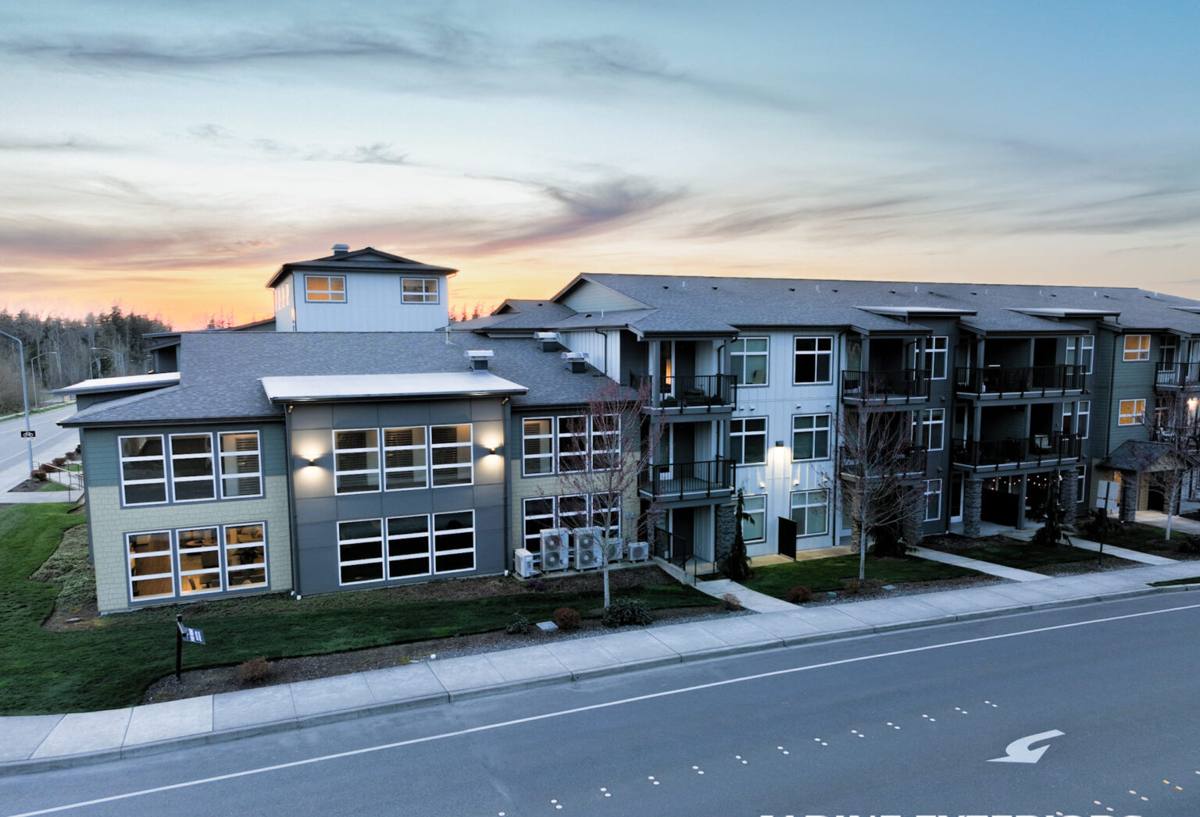
What Salt Air, Rain, and Moss Actually Do to a Wall
Salt Air
Airborne salt is corrosive to fasteners, flashing, and any metal trim on the exterior. It also accelerates the breakdown of paint and coatings that aren't formulated to resist it, leading to chalking, fading, and premature repainting on lower-grade siding products.
Driving Rain
Rain that comes in sideways doesn't just wet the siding face — it tests every seam, joint, and penetration in the exterior. Poorly caulked butt joints, undersized flashing, or siding installed too tight to trim will trap water behind the cladding, where it does the most damage out of sight.
Moss and Algae
Shaded, moisture-retentive surfaces in this part of Whatcom County grow moss and green algae readily. On porous or poorly finished siding, that growth holds moisture against the surface for extended periods, which speeds up rot in wood products and staining in almost anything else.
Why We Install James Hardie Fiber Cement — and Nothing Else
This company installs one siding system: James Hardie fiber cement. We don't offer vinyl, LP SmartSide, Cemplank, Allura, primed spruce, or cedar, and that's a deliberate standard, not a limitation of what we can source. Fiber cement is made from cement, sand, and cellulose fibers — it doesn't absorb water the way wood does, it won't warp or delaminate, and it's non-combustible, which matters given how much of Whatcom County borders forested land. James Hardie backs its boards with a factory-applied ColorPlus finish that's baked on and warranted against fading and peeling in ways field-applied paint simply can't match.
We've made the case elsewhere on this site for why we don't install the alternatives, but the short version for a coastal-influenced area like Custer is this: engineered wood products still have wood fiber at their core and are more sensitive to sustained moisture exposure; vinyl expands, contracts, and can crack in temperature swings and doesn't hold up cosmetically under salt exposure the way a factory-finished fiber cement product does; and job-site-primed wood or spruce siding depends entirely on how well that field coat is applied and maintained. Hardie removes most of those variables.
| Factor | James Hardie Fiber Cement | Vinyl / Engineered Wood |
|---|---|---|
| Moisture absorption | Minimal — cement-based composition | Vinyl doesn't absorb but relies on trapped-moisture drainage; wood-based products absorb and swell |
| Salt air resistance | Factory ColorPlus finish resists chalking and fade | Field-applied or bare coatings degrade faster near salt air |
| Fire rating | Non-combustible | Vinyl melts/deforms; wood-based products are combustible |
| Moss/algae resistance | Dense, low-porosity surface resists sustained staining | Porous or textured surfaces hold moisture and organic growth longer |
| Warranty structure | Long-term, transferable manufacturer warranty on substrate and finish | Varies widely; often shorter or prorated |
What Correct Installation Looks Like on a Custer Lot
Fiber cement performs the way it's supposed to only when it's installed to James Hardie's published specifications — and in a wind-and-rain-exposed area, the details matter more than usual.
Water Management Behind the Siding
Every wall gets a weather-resistant barrier and properly lapped flashing at windows, doors, and any horizontal trim before a single board goes up. This is the layer that actually keeps a house dry — the siding is the second line of defense, not the first.
Clearances and Fastening
Hardie specifies minimum clearances from grade, roof lines, and decks, along with fastener spacing and type. Skipping these to save time is the single most common cause of early siding failure we see on homes that weren't installed by a Hardie-experienced crew.
Joint and Seam Treatment
Butt joints, corners, and penetrations get treated with the caulking and flashing details Hardie calls for — not shortcuts that look fine at handoff but open up within a couple of wet seasons.
Product Line Selection
James Hardie makes climate-engineered HZ product lines. Selecting the right one, along with the right panel, plank, or shingle profile for the home, is part of getting the installation right from the start.
Our Process for a Custer Siding Project
- On-site assessment — we look at existing siding condition, moisture damage, trim, and how the home sits relative to prevailing wind and rain exposure.
- Product and profile selection — matching the right Hardie line, plank or panel profile, and ColorPlus color to the home and to Custer's exposure.
- Tear-off and sheathing check — old siding comes off and we inspect the sheathing underneath for any rot or damage before covering it up.
- Weather barrier and flashing — a correctly lapped moisture barrier and flashing system goes in before siding starts.
- Installation to spec — clearances, fastener patterns, and joint treatment follow James Hardie's installation guidelines throughout.
- Trim and final detailing — corners, window and door trim, and caulking are finished to shed water, not just to look clean on install day.
- Walkthrough — we go over the finished exterior and what maintenance, if any, to expect going forward.
Living With Fiber Cement Siding in This Climate
One of the practical advantages of Hardie's factory finish is how little upkeep it needs compared to field-painted wood siding. It's not maintenance-free — nothing exposed to Whatcom County weather is — but the demands are modest.
- Rinse the siding periodically to keep salt residue and airborne grime from building up, especially on sides of the house that face open water or prevailing wind.
- Keep gutters clear and downspouts directed away from the foundation so water isn't sheeting down or pooling against the siding.
- Trim back vegetation and tree cover where practical to reduce the shade and trapped moisture that feed moss and algae growth.
- Check caulking at trim joints and penetrations every year or two and have any gaps resealed before they let water behind the boards.
- Address any impact damage, chipping, or exposed edges promptly — Hardie's finish is durable, but exposed cut edges should be sealed per manufacturer guidance.
Why It Matters to Hire a Crew That Already Works This Area
A lot of siding problems in coastal Whatcom County trace back to an installation crew applying general-purpose techniques to a wall that needed coastal-specific detailing. A crew that regularly works Ferndale and the surrounding communities, including Custer, already understands how far the salt exposure extends inland from the water, which sides of a house typically take the worst of the driving rain, and how aggressive the moss season really gets under this region's tree cover. That local pattern recognition shows up in where extra flashing attention goes, which clearances get treated as non-negotiable, and which parts of a home need a closer look before the estimate is even written.
What Drives the Cost of a Custer Siding Project
| Factor | Why It Matters |
|---|---|
| Home size and complexity | More corners, gables, and trim details mean more labor and material |
| Current siding condition | Rot or sheathing damage found during tear-off adds repair scope |
| Product line and profile | Panel, plank, and shingle profiles, plus HZ line selection, vary in material cost |
| Trim and detail work | Corner boards, window trim, and custom detailing add labor time |
| Site access and exposure | Wind and rain exposure can affect scheduling and sequencing |
We don't quote broad numbers without seeing the home — siding pricing varies too much house to house to make a flat estimate meaningful. What we can promise is a written estimate that spells out product, scope, and what's included, with no pressure to sign on the spot.
Questions Worth Asking Before You Hire
- Does the crew install to James Hardie's published specifications, including clearances and fastener patterns?
- Will they inspect and address sheathing damage before closing up the wall?
- What weather barrier and flashing details are included, not just the visible siding?
- Are they familiar with coastal Whatcom County conditions specifically, not just siding in general?
- What does the written estimate include — tear-off, disposal, trim, and touch-up?
If your Custer home's siding is showing moss staining, chalking, cracked boards, or soft spots near the trim, it's worth having it looked at before another wet season adds to the damage. We offer free, no-pressure estimates for James Hardie siding installation in Custer and throughout the Ferndale area — fill out the form below and we'll take a look.