 Ferndale
 Why Lummi Island Siding Takes More Than a Standard Install
Lummi Island sits out in the Salish Sea, reachable only by a short ferry crossing, and that setting is exactly what makes siding on the island behave differently than siding a few miles inland in Ferndale or Bellingham. Homes here take a steady diet of salt-laden air, wind-driven rain off the water, and a long, damp shoulder season that keeps north and shaded walls wet for weeks at a time. Add the tree canopy that covers much of the island and you get moss and algae pressure that starts earlier in the fall and hangs on later into spring than it does on more open, sun-exposed sites.
None of that makes siding impossible — it just changes what "correct" looks like. A siding job that would hold up fine in a dry inland subdivision can fail early on an island lot facing open water, not because the product was bad, but because it wasn't matched to the exposure. That's the lens we bring to every Lummi Island project: material choice and installation detail both have to answer to the site, not just the style the homeowner likes.
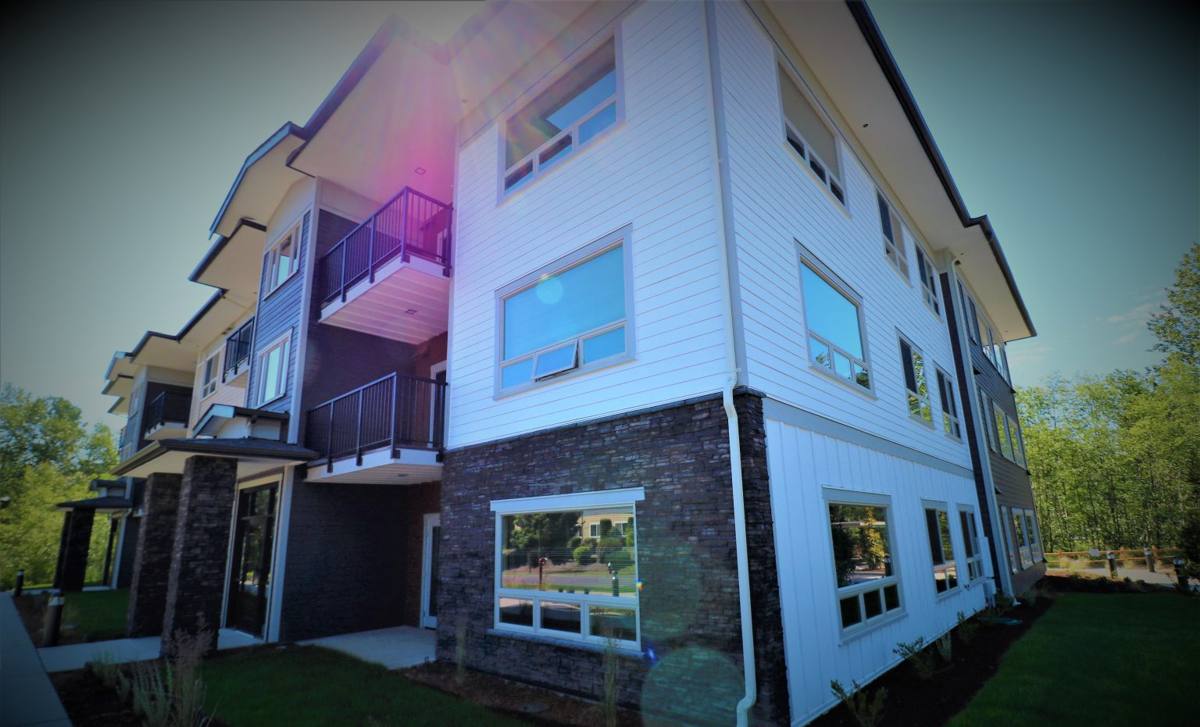
What the Climate Actually Does to Siding Out Here
Salt Air and Corrosion
Airborne salt from the Salish Sea settles on every exterior surface within reach of the water, and it doesn't stop at the siding itself. It works on fasteners, flashing, and trim just as much as it works on the field material. Untreated or under-spec metal components corrode faster near the shoreline, and once a fastener starts to rust, it can telegraph a stain right through the siding above it — a problem you see on wood and some engineered products long before the siding itself has failed.
Wind-Driven Rain
Rain on an exposed island wall doesn't just fall — it's pushed sideways by wind coming off open water, which means it finds gaps that vertical rain never would. Seams, butt joints, window and door flashing, and anywhere two materials meet are the pressure points. A siding system with weak joint detailing or inadequate flashing will let water behind the cladding on a wall that a calm-weather install would never expose.
Moss and Prolonged Moisture
Shaded, tree-covered lots — common across much of the island — stay damp longer after every rain event. That extended moisture window is what moss and algae need to take hold, and it's hardest on materials that absorb water into their surface rather than shedding it. A siding product that swells, delaminates, or holds moisture against its own substrate is going to show moss, soft spots, or paint failure well before its rated lifespan.
Why We Install Only James Hardie Fiber Cement
We standardized on James Hardie for every home we side, including everything we do on Lummi Island, and the reasoning holds up specifically against this climate. Hardie siding is fiber cement — sand, cement, and cellulose fiber — not wood and not vinyl, so it isn't subject to the same failure modes that show up fastest on a salt-exposed, high-moisture site:
- It doesn't rot. There's no wood fiber in the field of the board for moisture to break down, which matters directly on shaded, damp-longer lots.
- It's engineered for this climate zone. Hardie's HZ5 product line is formulated for regions that see the freeze-thaw cycling and sustained moisture typical of the Pacific Northwest, as opposed to their hot-humid HZ10 line built for the Gulf Coast and Florida.
- It's non-combustible. Not a coastal-specific benefit, but a real one for island properties where fire response can take longer than it does in town.
- ColorPlus factory finish holds color and resists fading from UV and salt exposure far better than a field-applied paint job, and it doesn't need repainting on the same cycle wood siding does.
- Dimensionally stable. Hardie boards don't swell and shrink with moisture the way wood-based products do, which keeps joints tighter and reduces the gaps that wind-driven rain would otherwise find.
That's also why we don't install vinyl, LP SmartSide, cedar, or primed spruce. Vinyl can warp and become brittle with UV and temperature swings, and its seams and channels aren't built for wind-driven rain the way a properly lapped and caulked Hardie installation is. Engineered wood products and real wood both rely on an intact factory or field coating to keep moisture out of a wood-fiber substrate — and on a site with this much sustained dampness, that coating is under constant pressure to fail first. We're not saying those products can't work anywhere; we're saying they're not what we're willing to put our name on for an island home facing open water.
Material Comparison for a Salt-Air, High-Moisture Site
| Material | Moisture Behavior | Salt Air / Fastener Risk | Moss/Algae Resistance | Repaint Cycle |
|---|---|---|---|---|
| James Hardie fiber cement | Doesn't absorb into substrate; dimensionally stable | Low, with correctly spec'd stainless or coated fasteners | Factory finish sheds moisture well; low | None expected on ColorPlus finish |
| Vinyl | Doesn't absorb, but can warp/gap over time | Low material risk, but hidden fastener/track corrosion is common | Moderate; textured surfaces trap moss growth | Cannot be repainted long-term (fades, doesn't hold paint well) |
| Cedar | Absorbs and releases moisture; needs an intact coating | Fasteners exposed to salt corrode faster, staining the wood | High risk in shaded, damp locations | Every 3-7 years depending on exposure |
| LP SmartSide (engineered wood) | Wood-strand core relies on edge sealing and coating integrity | Same fastener exposure as other wood-based products | Moderate to high if edges or coating are compromised | Field-applied finishes on cut edges/repairs periodically |
What a Correct Installation Involves
The product is only half the equation — most siding failures we get called out to replace weren't a materials problem, they were an installation problem. On an island site, a few details matter more than they would somewhere more sheltered:
Drainage Behind the Cladding
Every wall needs a way for incidental moisture that gets past the siding to drain back out rather than sit against the sheathing. On exposed, wind-driven-rain walls, we're not cutting corners on house wrap, flashing, and a drainage gap — that's the system that keeps a wall dry even when water does reach the back side of the siding.
Flashing at Every Penetration
Windows, doors, hose bibs, vents, and any other wall penetration are where wind-driven rain actually gets in. Proper head flashing, sill pans, and kick-out flashing at roof-wall intersections aren't optional extras on an exposed island wall — they're the difference between a dry wall cavity and a slow, hidden leak.
Fastener Selection
We use fasteners rated for the exposure, not whatever is cheapest. In a salt-air environment, corrosion-resistant fasteners driven correctly (not overdriven, which cracks the board's outer coating) protect both the hardware and the siding around it.
Joint and Seam Treatment
Butt joints, corners, and trim transitions get sealed and detailed to shed water, not just to look clean. On a wall that regularly takes rain sideways, a joint that's fine on a calm day can be a leak point in a January storm.
Ground and Grade Clearance
Correct clearance between the bottom of the siding and grade, decks, or roof lines keeps splashback and standing moisture away from the material's most vulnerable edge — a detail that matters even more on lots with heavy tree cover and slower-draining soil.
Our Process for Working on the Island
Siding a home on Lummi Island means planning around a ferry crossing for crew, equipment, and material deliveries — it's a logistics factor, not a technical one, but it's one we build into scheduling so a project isn't stalled waiting on a load that missed a sailing. We stage materials to minimize crossings, sequence the work so weather-sensitive steps (like moisture-critical flashing and sealing) happen during dry windows, and keep the same crew on the job from tear-off to final trim rather than rotating people in and out. Having worked island properties before means we already account for the crossing in our estimate and schedule — it's not a surprise delay or a surprise charge added midway through the job.
Choosing a Contractor for Island Siding Work
Because of the ferry and the exposure, an island siding job is less forgiving of a contractor who's guessing at logistics or cutting corners on flashing details they'd get away with elsewhere. A few things worth confirming before you hire anyone:
- Ask whether they've priced and scheduled around the ferry before, or whether this is their first island job
- Confirm they're installing manufacturer-spec drainage and flashing details, not just nailing boards to the wall
- Ask what fastener type they use and whether it's rated for coastal/salt exposure
- Get clarity on how weather delays are handled — an exposed site means more days lost to wind and rain than a sheltered inland lot
- Check that trim, flashing, and caulking are included in the bid, not treated as an add-on after the siding goes up
- Ask how they protect the site and stage material given the limited access an island job involves
What This Means for Long-Term Maintenance
A correctly installed Hardie system on Lummi Island still benefits from the same basic upkeep any coastal home needs: periodic rinsing to keep salt residue and organic buildup off the surface, keeping gutters clear so runoff isn't sheeting down the wall, and trimming back vegetation that keeps a wall shaded and damp longer than it needs to be. What you're not signing up for is a repaint cycle, rot inspections, or re-caulking every few years just to keep the material intact — that's the trade-off we're making when we standardize on fiber cement for a site like this instead of a wood-based or vinyl product that needs more attention to survive the same exposure.
If you're planning a siding project on Lummi Island — whether it's a full replacement or you're building new — we'd rather walk your specific site with you than quote it blind. Reach out for a free, no-pressure estimate and we'll look at your home's exposure, existing siding condition, and what a correctly detailed Hardie installation would actually involve.