 Ferndale
 Decking Built for Life Near the Water
A deck in the Lummi Nation area lives a harder life than one twenty miles inland. You're close to Bellingham Bay and the Salish Sea, which means salt-laden air moving through every day, wind-driven rain that gets up under fascia and railings, and a wet season that stretches on long enough for moss and algae to get a real foothold on any horizontal surface. Wood decking can handle that environment for a while with diligent upkeep, but most homeowners here don't want a deck that needs sanding, stripping, and re-staining every year or two just to stay ahead of the weather. That's where composite decking earns its keep — it's not maintenance-free, but it's built to shrug off the specific abuse this stretch of Whatcom County dishes out.
This page is about composite decking specifically for homes in and around Lummi Nation — what the local climate demands from the material and the installation, what a correct job actually involves, and why it matters to hire a crew that already understands this coastline rather than one working from a generic playbook.
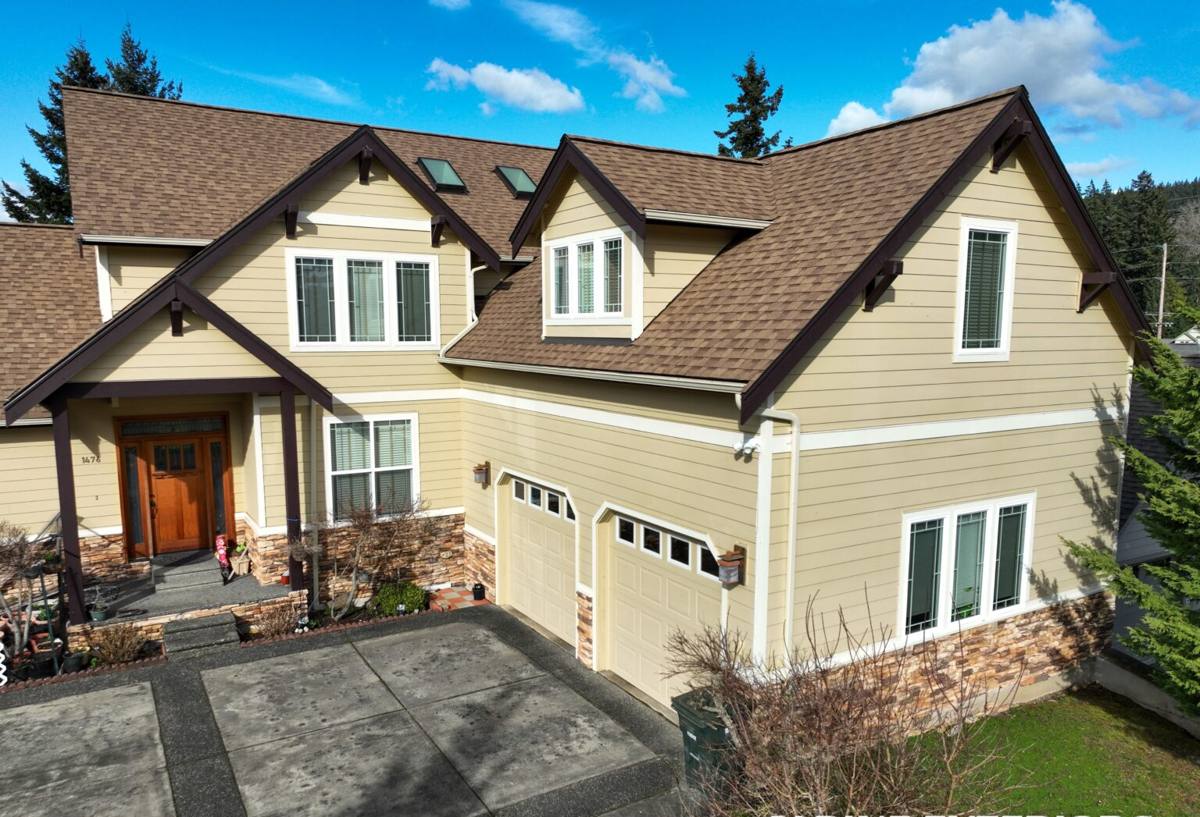
What Salt Air, Rain, and Moss Actually Do to a Deck
Three things wear decks down here faster than almost anywhere else in the county:
- Salt air — airborne salt settles on every exposed surface and accelerates corrosion on fasteners, brackets, and any hardware that isn't rated for coastal exposure. It also breaks down cheap coatings and finishes faster than inland conditions would.
- Driving rain — wind off the water doesn't just fall straight down, it drives sideways into railings, ledger boards, and the gaps between deck boards. Water finds its way into end grain, fastener holes, and any spot where flashing or spacing was done carelessly.
- Moss and algae — the long, mild, wet stretch from fall through spring gives moss and algae months to colonize any deck surface that holds moisture or sits in shade. Once established, moss traps even more water against the board and turns the surface slick.
None of these are exotic problems — they're the same climate factors that drive our siding and roofing work across Ferndale and Whatcom County. Decking just takes the abuse horizontally, which is a harder job for any material.
Why Composite Holds Up Better Here Than Wood
Composite decking is made from a blend of wood fiber and plastic (polyethylene or polypropylene), sometimes with a separate plastic "capstock" wrapped around the core. That construction changes how the board behaves in a wet, salty climate compared to solid wood:
| Factor | Wood Decking | Composite Decking |
|---|---|---|
| Moisture absorption | High — swells, cups, and splits with repeated wet/dry cycles | Low to none in capped boards — dimensionally stable |
| Moss/algae resistance | Poor — porous surface holds moisture, needs regular cleaning and treatment | Better, especially capped boards — still needs cleaning but doesn't absorb into the board |
| Maintenance | Annual or biennial stripping, sanding, sealing/staining | Periodic washing; no sealing or staining required |
| Fastener corrosion risk | Same risk as any coastal install unless hardware is upgraded | Same — composite doesn't change the hardware equation |
| Upfront cost | Lower material cost | Higher material cost, lower lifetime cost |
| Lifespan in this climate | 10-15 years with consistent upkeep | 25-30 years typical, often longer with capped boards |
Composite isn't magic — it's still exposed to the same salt air and rain, and it still needs to be cleaned. But it doesn't rot, it doesn't need refinishing, and it holds its shape and color far more consistently in this environment than solid wood does.
Not All Composite Is the Same
There's a real difference between older, uncapped composite boards and modern capped composite. Uncapped boards have exposed wood fiber on all sides, which means they can still absorb water and are more prone to mold and staining in a wet climate like ours. Capped composite — where a plastic shell surrounds the wood-fiber core — sheds water and resists staining far better, which is why it's the standard we recommend for anything within reach of salt air. PVC decking, which contains no wood fiber at all, is another option that performs well in wet climates, though it comes with its own cost and feel trade-offs we're happy to walk through in person.
What a Correct Installation Involves
The board itself is only part of the story. A composite deck that fails early in this climate almost always fails because of the substructure or the details, not the decking material. A correct install covers:
Substructure and Framing
Joists sized and spaced to the manufacturer's spec for composite (composite typically needs tighter joist spacing than wood, especially for angled or picture-frame layouts), with corrosion-resistant or coated fasteners and hardware throughout — standard hardware corrodes faster here than it would twenty miles inland.
Ledger Attachment and Flashing
Where the deck ties into the house, proper flashing is what keeps driving rain from working its way behind the ledger board and into the wall assembly. This is one of the most common failure points we see on older decks, and it's also where a poor connection can quietly damage siding and framing behind it — which is exactly the kind of thing we catch because we work on the siding side of these homes too.
Board Spacing and Drainage
Composite boards need consistent gapping for water to drain through rather than pool on the surface. Too tight, and water sits and feeds moss growth; too loose, and the deck feels sloppy underfoot and debris collects between boards.
Fastening Method
Hidden fastener systems (clips that hold boards from the sides) give a cleaner look and eliminate the exposed screw heads that collect grime and moss over time. Face-screwed boards are more budget-friendly but require more attention to sealing the fastener holes.
Railings and Stairs
Composite or aluminum railing systems that match the deck's exposure — powder-coated or otherwise coastal-rated hardware, not standard interior-grade fasteners.
Our Process
1. On-Site Assessment
We walk the property, look at sun and wind exposure, drainage, and how close the deck sits to the water side of the property, since that affects how much salt exposure the structure will see year-round.
2. Material and Layout Recommendation
We talk through board options, colors, and layout based on your home, your budget, and how the deck will actually be used — not just what's cheapest to install.
3. Substructure Build or Repair
If we're replacing an existing deck, we inspect the ledger and framing before doing anything else. Reusing a compromised substructure under new composite boards just hides the problem instead of fixing it.
4. Installation
Framing, flashing, decking, and railing installed to spec, with attention to the drainage and fastening details that matter most in a salt-air, high-rain environment.
5. Walkthrough
We go over basic care with you before we leave — what to expect from the material and how to keep moss from getting a foothold in year one.
Living With a Composite Deck Here: Maintenance That Actually Matters
Composite decking cuts out sanding, staining, and sealing, but "low maintenance" isn't "no maintenance," especially with our moss season. A simple seasonal routine keeps a composite deck looking and performing the way it should:
- Sweep debris (needles, leaves, moss spores) off the deck regularly, especially in shaded areas under trees or eaves
- Rinse with a garden hose and a mild soap solution a couple of times a year; avoid pressure washers on close settings, which can damage the board's cap surface
- Check and clear the gaps between boards so water keeps draining instead of pooling
- Address any moss growth early with a deck-safe cleaner rather than letting it establish and spread
- Inspect railing posts and fastener points annually for any sign of movement or corrosion at the hardware
- Keep gutters and downspouts near the deck clear so runoff isn't dumping extra water onto the deck surface
Why It Matters to Hire a Crew That Already Works This Area
Lummi Nation sits in a stretch of Whatcom County where site conditions, weather exposure, and sometimes permitting or site-access considerations can differ from other parts of Ferndale and the surrounding area. A crew that's already worked in this specific coastal environment knows to spec coastal-rated hardware without being asked, knows where moss tends to build up fastest based on a home's orientation, and has already seen what happens when a deck is built to a generic inland standard instead of one that accounts for salt air and driving rain. That local familiarity shows up in fewer callbacks and a deck that actually holds up to the conditions it's built in — not just the conditions it was designed for on paper.
Cost Factors to Expect
| Factor | Why It Affects Cost |
|---|---|
| Deck size and shape | Larger decks and angled or multi-level layouts require more material and labor |
| Board tier (uncapped vs. capped composite vs. PVC) | Capped and PVC boards cost more upfront but hold up better in salt air |
| Substructure condition | Repairing or replacing rotted framing, ledger, or footings adds cost but is not optional if compromised |
| Railing system | Composite or aluminum coastal-rated railing costs more than basic wood railing |
| Fastening method | Hidden fastener systems add labor cost but improve appearance and long-term performance |
| Site access | Difficult access, slope, or height above grade can add labor time |
We give straightforward, written estimates that break these factors down so you know what you're paying for and why — no vague lump sums.
If you're planning a new deck or replacing a tired one in the Lummi Nation area, we're happy to come take a look and walk you through honest options for your home and budget. Use the form below to request a free, no-pressure estimate.