 Ferndale
 Building New in Marietta? Your Windows Need to Match the Location
Marietta sits close enough to the water that its homes take a different kind of weather than inland Whatcom County. Salt-laden air off Bellingham Bay, wind-driven rain that comes at the wall sideways instead of straight down, and a long gray stretch of the year when moss and mildew have every advantage — all of it works on a house from the day the windows go in. When you're building new, you get exactly one chance to install those windows correctly. Get the flashing, the sealant, and the frame selection right during framing, and you've bought yourself decades of quiet performance. Get it wrong, and you're chasing rot, fogged glass, and stucco or siding stains within a handful of years.
This page is specifically about new-construction window installation for Marietta builds — new homes, additions, and full teardown-rebuilds — not window replacement in an existing wall. The two jobs share a name and not much else.
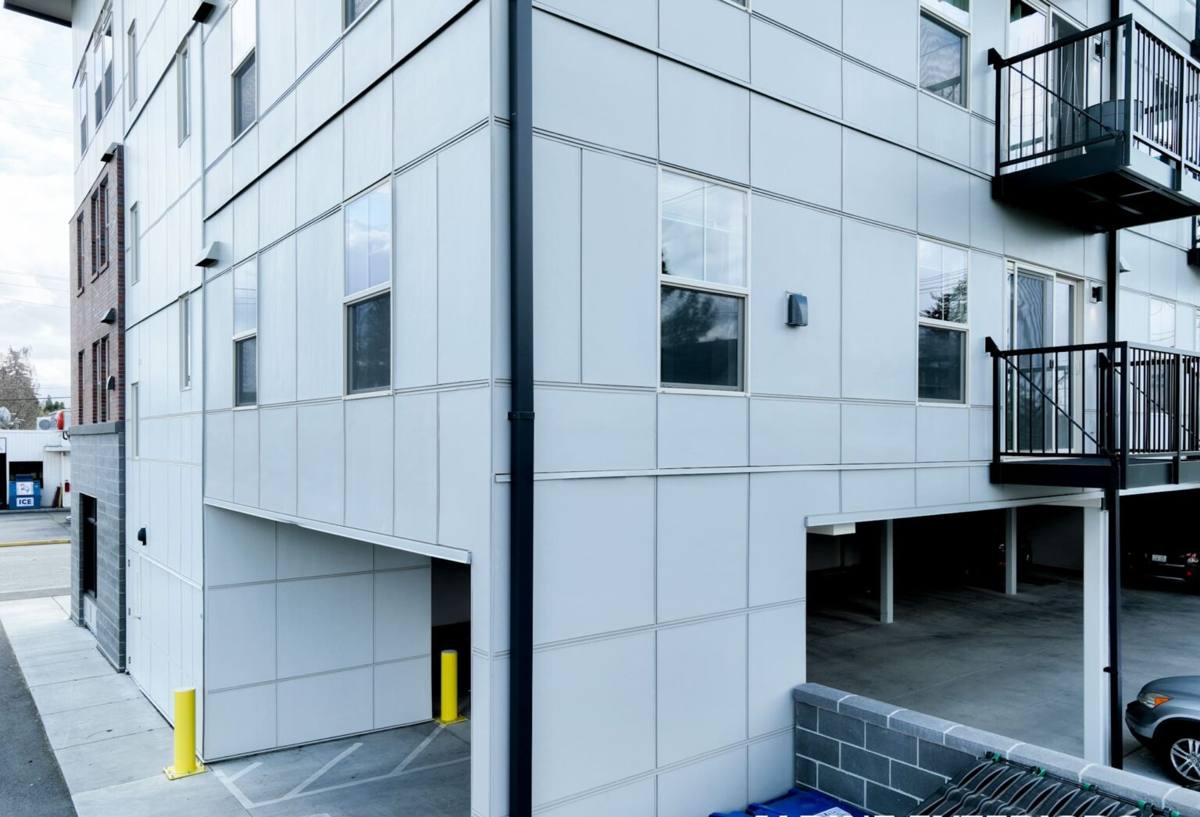
What Marietta's Coastal Climate Actually Does to a Window System
It helps to be specific about the mechanisms, because the fixes only make sense once you understand the problem:
- Salt air corrodes hardware and fasteners. Cheap or mismatched screws, cladding fasteners, and window hardware pit and weaken faster this close to the water than they would twenty miles inland.
- Driving rain finds gaps, not just openings. Wind off the Strait pushes water sideways and upward under sills and around trim. A window that would stay dry in a calm rain a few miles inland can leak here if the flashing detail is even slightly off.
- Long wet seasons feed moss and mildew. Anywhere moisture sits — a poorly sloped sill, a gap in the weather-resistive barrier, a sealant joint that failed — moss and mildew take hold and hold moisture against the wall assembly even longer.
- Temperature swings stress seals. Marine-influenced temperature shifts expand and contract frame materials and sealant joints season after season, which is why joint quality and material choice both matter more here than in a drier, more stable climate.
None of this means Marietta is a hard place to build. It means the window install has to be done with the coast in mind from the first flashing strip, not patched up after the fact.
What a Correct New-Construction Window Install Involves
New-construction windows are set into a rough opening before the siding goes on, which means the installer is building the water-management system for that opening from scratch. There's no existing frame to work around and no old flashing to inherit — everything is on you to get right the first time.
Sill Pan and Flashing, in the Right Order
Every opening needs a sloped sill pan that sheds water outward, not just a flat sill covered in tape. Flashing at the jambs and head has to integrate with the weather-resistive barrier in the correct shingle-lap sequence — each layer overlapping the one below it — so water is always directed down and out, never trapped behind the cladding. On a Marietta build, we treat this sequence as non-negotiable, because it's the single detail most responsible for leaks that show up years later.
Nailing Fin Integration and Fastening
New-construction windows typically use a nailing fin set against the sheathing and sealed into the flashing plane. Fastener spacing, type, and corrosion resistance all matter more near the water — we use fasteners rated for the exposure, not whatever's fastest to run.
Sealant and Backer Rod, Not Just Caulk
The gap between the frame and the rough opening needs backer rod sized correctly and a sealant rated for exterior movement and UV exposure — installed at the right depth and bead profile, not smeared on as an afterthought. Interior air-sealing at the frame is a separate step from exterior weatherproofing, and skipping it is one of the more common shortcuts that costs homeowners later in both comfort and moisture problems.
Choosing the Right Frame Material for a Marietta Build
There's no single "best" window frame material — the right choice depends on budget, exposure, and how the house is designed. Here's how the common options actually compare for a coastal Whatcom County build:
| Frame Material | Coastal Performance | Maintenance | Typical Trade-Offs |
|---|---|---|---|
| Vinyl | Good — won't corrode or rot | Low | Budget-friendly; frame color and size options more limited than fiberglass |
| Fiberglass | Very good — dimensionally stable in temperature swings, resists moisture | Low | Higher upfront cost; strong long-term value near salt air |
| Wood-clad | Fair to good — clad exterior protects the wood, but any breach in the cladding invites rot | Higher — exposed wood interior details need periodic attention | Best for homeowners who want a wood interior look and are willing to maintain it |
| Aluminum | Fair — conducts heat/cold and can corrode without proper coatings | Moderate | Slim sightlines, but not our first recommendation for direct salt exposure without upgraded coatings |
We don't push one brand or product line — we work with several established manufacturers and help you match frame material to your budget and how close your lot sits to the water. What matters more than the label on the frame is whether the glass package and the installation are both correct for the exposure.
Glass Packages and Energy Code Requirements
Washington's state energy code sets minimum performance requirements for new-construction windows, and inspectors will check U-factor and other ratings before your project passes final. Beyond meeting code, the right glass package for Marietta typically includes:
- Dual-pane glass as the baseline, with Low-E coating to manage heat loss through our long heating season
- Argon gas fill between panes for improved insulating performance at minimal added cost
- Triple-pane glass considered on north- and west-facing exposures that take the brunt of wind and weather, where the added performance and sound dampening can be worth the upgrade
- Tempered glass where code requires it — near doors, low sills, and other hazard locations
We size the glass package to the room, the orientation, and the budget rather than defaulting to the same spec on every opening.
Our Process, From Framing to Final Inspection
Pre-Drywall Coordination
New-construction window work has to land at the right point in the build schedule — after the rough opening is framed and the weather-resistive barrier is on, before siding starts. We coordinate directly with your builder or general contractor on timing so windows aren't sitting exposed longer than necessary and the flashing sequence isn't rushed to keep other trades moving.
Product Selection and Ordering
We walk you through frame material, glass package, and hardware options early, because window lead times can run several weeks and a late decision can hold up the whole schedule. We measure rough openings against the actual framing, not just the plans, before anything is ordered.
Installation and Inspection
Install follows the flashing sequence described above, opening by opening, with fastening and sealant work checked as we go — not just at the end. Once windows are in, the assembly is ready for siding to close over it and for your building department's inspection.
Checklist: What to Confirm Before Windows Go In
- Rough openings measured against actual framed dimensions, not just architectural plans
- Sill pan and flashing sequence specified and understood by every trade involved
- Frame material and glass package selected with your specific lot's exposure in mind
- Fasteners and hardware rated for coastal/marine exposure
- Sealant and backer rod specified for exterior movement and UV exposure, separate from interior air-sealing
- Installation timing coordinated with your builder so windows go in promptly after the weather-resistive barrier is up
- Energy code compliance confirmed against Washington State Energy Code requirements before final inspection
Why a Crew That Already Works in Marietta Matters
New-construction window details aren't the same everywhere. A crew that mostly works drier, inland jobs can still do competent work, but they're often making judgment calls about flashing overlap, sealant selection, and fastener corrosion resistance without local reference points. A crew that regularly builds in Marietta and along the rest of the Whatcom County shoreline has already seen how driving rain behaves against this specific exposure, already knows which details hold up through a full wet season, and already has a working relationship with local building department inspectors and general contractors.
That familiarity also matters after the install. If a warranty question comes up two winters from now, you want a contractor who's a short drive away and still doing business in Ferndale — not a crew that came through once from out of the area.
Let's Talk About Your Marietta Build
If you're framing a new home or addition in Marietta and want window work done right the first time, we're happy to walk the site, look at your plans, and put together a straightforward estimate — no pressure, no upsell. Use the form below to get started.