 Ferndale
 Windows in Marietta Face a Different Climate Than Most Contractors Plan For
Marietta sits close enough to Bellingham Bay and the Nooksack delta that its homes take on a specific mix of weather stress: salt-laden air off the water, wind-driven rain that hits siding and window openings sideways instead of straight down, and a long stretch of the year — often six months or more — where surfaces stay damp enough for moss and algae to take hold. None of that is unique to Marietta by itself, but the combination is what separates window work here from window work in a drier inland part of Whatcom County. A window that's installed correctly for a suburban lot outside the marine influence can still fail early in Marietta if the flashing details and sealants weren't chosen with salt air and constant moisture in mind.
This page is specifically about window installation for homes in and around Marietta. We also install windows across Ferndale and the rest of Whatcom County, but the notes below are written for this particular stretch — what tends to go wrong, what a correct install looks like, and how we run the job from first visit to final walkthrough.
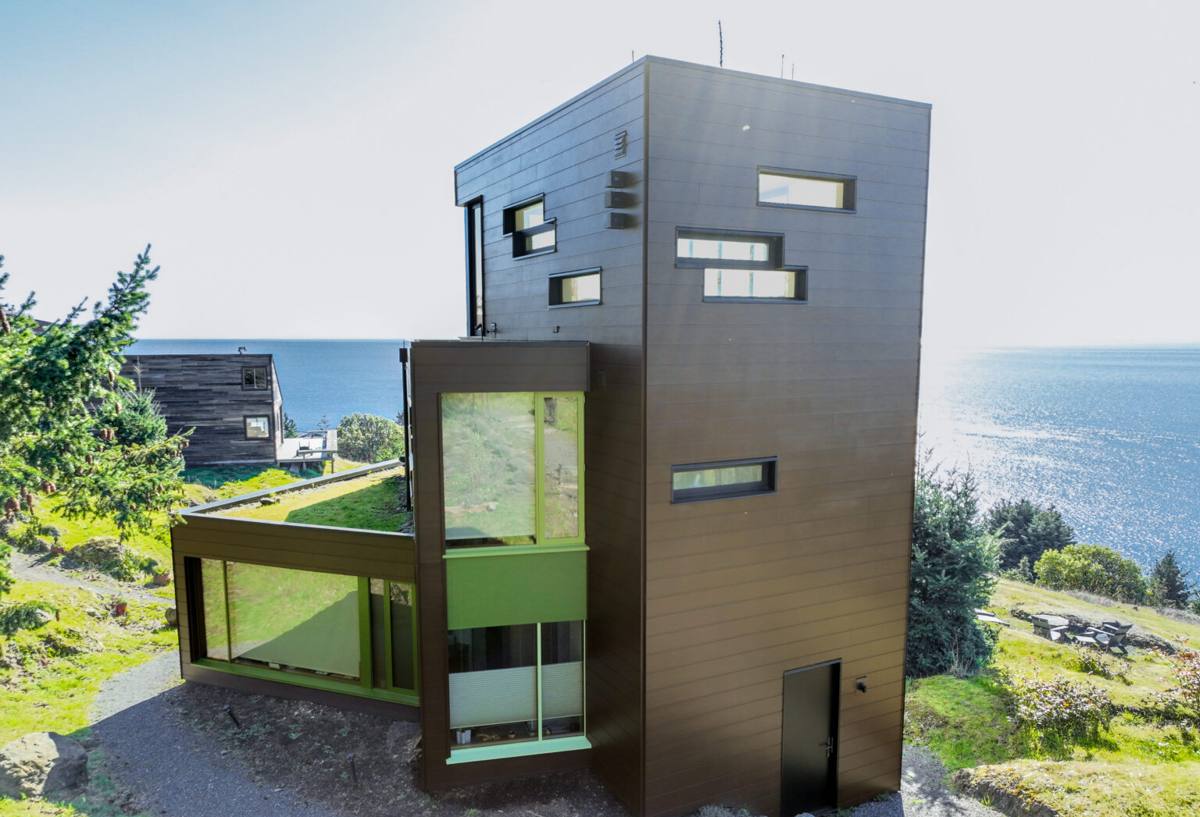
What Salt Air, Driving Rain, and Moss Season Do to Windows
Salt Air
Airborne salt accelerates corrosion on anything metal — window hardware, cranks, screws, and especially aluminum components that aren't rated for coastal exposure. Over years, salt residue also breaks down some sealants and finishes faster than they'd wear in a non-marine climate. It's a slow process, which is exactly why it gets missed: the window looks fine for the first several years, then hardware starts sticking or corroding right around the time most warranties have expired.
Driving Rain
Rain that comes in sideways during a windstorm doesn't just hit the glass — it drives against the window frame, the trim, and the wall assembly behind it. If the flashing and water-management layer behind the window aren't installed correctly, that wind-driven rain finds its way behind the trim and into the wall cavity. This is almost never visible from outside. It shows up later as soft trim, stained interior drywall, or a musty smell near a window that "looks" fine.
Moss Season
Whatcom County's long wet season keeps north-facing and shaded surfaces damp for extended stretches, which is ideal for moss and algae growth. On windows, this mostly affects sills, exterior trim, and the caulk lines around the frame — moss holds moisture against the surface and against sealants, shortening their working life. It's a maintenance issue more than an installation one, but the installation determines how easy or hard that maintenance is later.
What a Correct Window Installation Actually Involves
A window installation is more than setting a new unit into an old opening and caulking the edges. Done right, especially in a climate like this one, it includes:
- Removing the old window and inspecting the rough opening for rot, soft framing, or existing water damage before anything new goes in
- Repairing or rebuilding any compromised framing — new windows should never be installed over a hidden problem
- Installing a proper water-resistive barrier and flashing sequence (sill pan, side flashing, head flashing) so water is directed out and down, not trapped behind the window
- Setting the window level, plumb, and square, with correct shimming so the frame isn't under stress that can crack seals or bind hardware
- Insulating the gap between the window frame and rough opening — not overpacked, which can bow the frame
- Sealing the interior and exterior with the right sealant for the material and exposure, including attention to corner details where most leaks originate
- Reinstalling or replacing exterior trim so water sheds away from the window rather than pooling against it
The flashing and sill pan step is the one most often shortcut on lower-bid jobs, and it's also the step that matters most in a wind-driven-rain environment. It's invisible once the trim goes back on, which is exactly why it's worth asking any contractor to walk you through their sequence before work starts.
Signs a Marietta Home's Windows Need Attention
| What You're Seeing | Likely Cause | Urgency |
|---|---|---|
| Fogging or moisture between glass panes | Failed seal on the insulated glass unit | Moderate — plan replacement, not an emergency |
| Soft or discolored trim/drywall near a window | Water intrusion behind flashing or trim | High — can lead to structural rot if ignored |
| Hardware that's stiff, corroded, or won't latch fully | Salt air corrosion or worn components | Moderate — security and draft concern |
| Visible moss or dark staining on the sill or trim | Prolonged moisture retention, poor drainage | Low to moderate — address before it spreads to sealant |
| Noticeable draft or cold spot at the frame edge | Failed weatherstripping or degraded seal | Moderate — energy loss over time |
| Window is difficult to open or doesn't sit flush | Frame settling, moisture swelling, or original poor install | Moderate — often a sign of a bigger issue underneath |
How We Approach a Marietta Window Job
1. On-Site Assessment
We start by looking at each window opening individually rather than assuming they're all the same. Sun exposure, wind exposure, and proximity to the water can vary meaningfully from one side of a house to another, even on the same lot. We check the condition of the framing, siding, and existing flashing before recommending anything.
2. Product Selection Based on Exposure
Not every window on a house needs the same spec. A window on the weather side that takes the brunt of driving rain and salt air may warrant a different hardware finish or sealant approach than a sheltered window on the lee side. We'll walk you through the honest trade-offs rather than upselling the same package for every opening.
3. Removal and Structural Check
Old windows come out carefully so we can see the actual condition of the rough opening. If there's hidden rot or old water damage, we address it before the new window goes in — installing a new window over a compromised opening just hides the problem for a few more years.
4. Flashing, Sealing, and Setting the Window
This is the step that determines long-term performance. We follow a consistent flashing sequence — sill pan, jamb flashing, head flashing lapped correctly — so water is shed outward, then set the window plumb, level, and properly shimmed.
5. Trim, Finish, and Walkthrough
Exterior trim goes back on (or is replaced if it was compromised) with attention to how it manages water, not just how it looks. We walk the job with you at the end, operate every window, and point out anything you should keep an eye on given the site's specific exposure.
Frame Material Trade-Offs for This Climate
| Frame Material | How It Handles Salt Air & Moisture | Maintenance | General Cost Position |
|---|---|---|---|
| Vinyl | Doesn't corrode; performs well against salt air overall | Low — occasional cleaning | Lower to mid-range |
| Fiberglass | Very stable in moisture and temperature swings; strong option for exposed sides | Low | Mid to higher |
| Aluminum | Prone to corrosion in salt air unless properly rated and finished | Moderate — watch hardware and finish over time | Mid-range, varies by spec |
| Wood or wood-clad | Attractive but needs consistent upkeep in a wet, mossy climate | Higher — finish and sealant checks needed regularly | Higher |
We don't push wood-frame windows on exposed sides of Marietta homes as a first recommendation — not because wood is a bad product, but because the maintenance burden in a climate with this much sustained moisture and moss pressure is real, and we'd rather set that expectation up front than have a homeowner surprised by it in year five.
Why a Crew That Already Works Marietta Matters
Window installation done to a generic national spec often misses the details that matter in a marine climate — the flashing sequence, the hardware finish, the sealant chemistry, where moss tends to take hold first. A crew that already works this area has seen which details actually cause callbacks here versus which are non-issues, and builds the job around that instead of a one-size-fits-all approach. It also means someone local is available if a question comes up after the install, rather than a call center in another state.
Maintenance Checklist for Marietta Windows
- Rinse salt residue off frames and glass a few times a year, especially on wind-exposed sides
- Clear moss and debris from sills and tracks before it holds moisture against the sealant
- Check and lubricate hardware (locks, cranks, hinges) periodically to stay ahead of corrosion
- Inspect exterior caulk lines each fall before the wet season sets in, and re-seal any cracked or gapped sections
- Watch for soft trim or interior staining near windows after major storms — catch water intrusion early
- Keep gutters and downspouts clear so roof runoff isn't dumping extra water onto window trim below
Getting an Honest Read on Your Windows
Some Marietta homes just need a window or two replaced where a seal has failed. Others have a bigger issue behind the trim that's worth knowing about before deciding what to do. Either way, it helps to have someone look at the actual openings rather than quoting a job sight unseen.
If you're weighing whether your windows need attention, or you already know it's time for a replacement, we're happy to come take a look and give you a straightforward estimate — no pressure, no inflated scope. Use the form below to get started.