 Ferndale
 Board & Batten Siding Built for the Nooksack Valley Climate
Nooksack sits in the river valley east of Ferndale, in a part of Whatcom County where farmland, older homes, and newer construction all sit under the same weather pattern: long, wet winters, a marine air mass that carries salt-tinged moisture in off the Salish Sea even this far inland, and a moss season that can stretch from October well into spring on any wall that doesn't get direct sun. Board & batten siding has a strong following out here, partly for the look and partly because the valley's older farmhouses and barns set the visual tone for the area. But board & batten is also one of the less forgiving siding profiles when it's installed without attention to detail, and the wrong material or a rushed install will show its problems here faster than in a drier climate.
This page covers what board & batten siding actually needs to hold up in Nooksack's conditions, what a correct installation looks like, and how we approach the job when we're working in this part of the county.
Why Board & Batten Fits Nooksack Homes
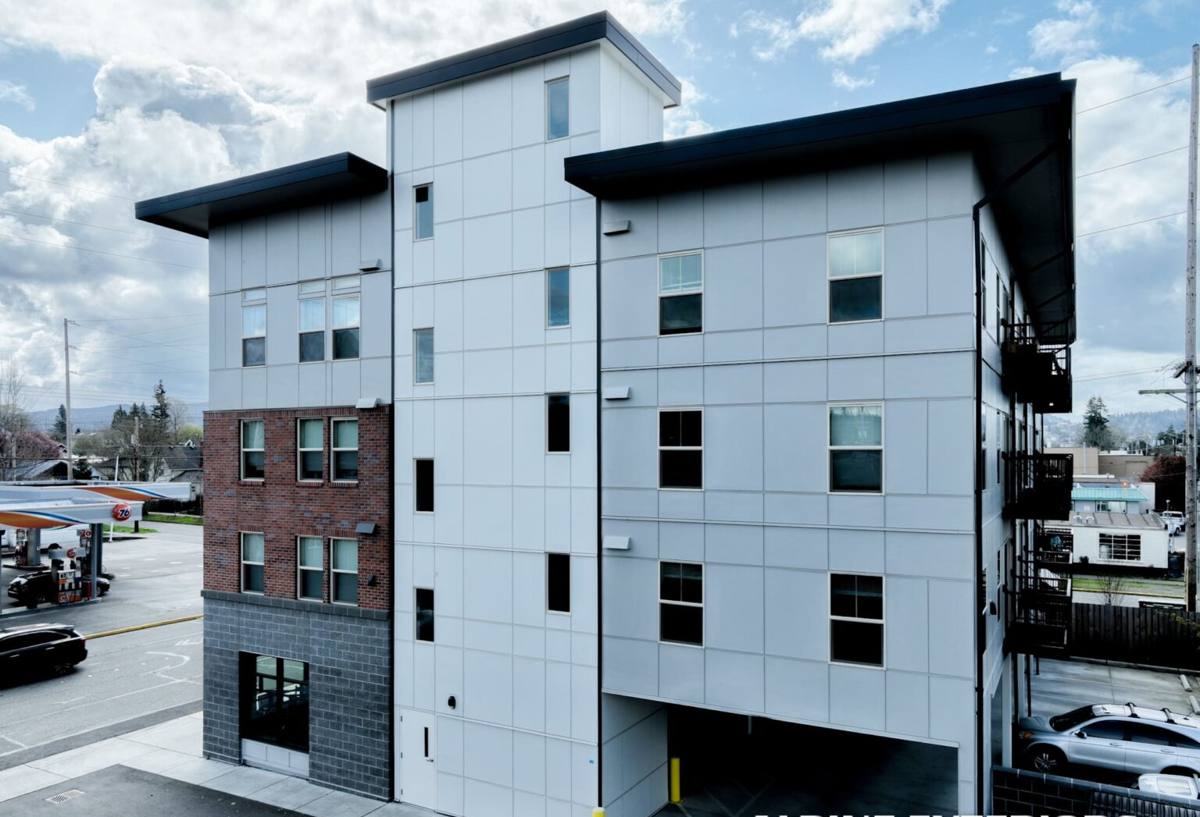
The vertical lines of board & batten read well against the valley's mix of farmhouse, craftsman, and modern-rustic architecture, and it's a natural match for gable ends, porch accents, and full-elevation treatments on newer builds trying to nod to the area's agricultural roots. It's also a practical profile in a place with heavy rainfall: run correctly, the battens shed water down and off the wall rather than letting it pool along a horizontal reveal the way lap siding can at a poorly caulked joint.
The trade-off is that board & batten depends more heavily on what's happening behind the boards than most homeowners realize. Every vertical seam is a potential path for wind-driven rain if the drainage plane and flashing details aren't right. That's true of any material, but it matters more here than it would in a dry-summer climate, because Nooksack doesn't get long stretches to dry out between storms.
What Correct Board & Batten Installation Actually Involves
Moisture Management Behind the Boards
A correct board & batten job starts before the first panel goes up. That means a weather-resistant barrier installed and lapped correctly over the sheathing, flashing integrated at every window, door, and horizontal transition, and — on most walls in this climate — a rainscreen gap created with vertical furring strips behind the panels. That gap lets any moisture that does get past the cladding drain and dry out instead of sitting against the sheathing. Skipping the rainscreen is one of the most common shortcuts we see on board & batten jobs, and it's the one that causes the most trouble in a wet climate like Whatcom County's.
Fastening, Spacing, and Batten Placement
We install James Hardie's vertical panel product with battens set and fastened to the manufacturer's published spacing and fastener schedule — not "close enough." Fastener placement affects how the panel handles expansion and contraction, and using corrosion-resistant fasteners matters more here than it would somewhere without salt-tinged air moving through the valley. Every vertical joint and batten seam gets sealed with a sealant rated for the exposure, and because Hardie's panels come with a factory-applied ColorPlus finish, there's no field-painted seam relying on a homeowner's future paint job to keep water out.
Comparing Board & Batten Material Options
Board & batten is available in several materials, and the differences matter more on a vertical profile than they might on lap siding, since every seam is a moisture entry point. Here's how the common options compare:
| Material | Moisture/Rot Resistance | Fire Resistance | Maintenance | Typical Lifespan |
|---|---|---|---|---|
| James Hardie fiber cement | Engineered for wet climates; won't rot or swell from moisture | Non-combustible | Occasional wash; factory finish means no routine painting | 30+ years with correct install |
| LP SmartSide (engineered wood) | Treated to resist moisture, but wood-based core is still vulnerable if the finish fails at a cut edge or seam | Combustible | Field-caulked seams and cut edges need ongoing attention | Manufacturer warranty terms vary; performance is finish- and detail-dependent |
| Vinyl board & batten | Won't rot, but panels can warp or gap in temperature swings and don't manage wind-driven rain as tightly at seams | Melts/combustible at lower temps than fiber cement | Low, but damaged sections are hard to color-match years later | 20-40 years, with visible fading over time |
| Cedar / primed wood | Natural material; needs a sound, maintained finish to resist moisture and rot | Combustible | Highest — periodic refinishing and sealing required | Highly dependent on maintenance |
We install James Hardie fiber cement exclusively. LP SmartSide and cedar can both be reasonable products when properly detailed and maintained, but their long-term performance leans hard on the finish and joint work holding up over decades of exactly the kind of weather Nooksack gets. Vinyl is low-maintenance but isn't rigid enough to hold the crisp, flat reveal that makes board & batten look right, and it's not the material we want standing behind a wall in a marine climate. Hardie's fiber cement core doesn't rely on a surface finish to keep water out of the material itself, and the ColorPlus factory finish is warrantied against fading and peeling in a way field-applied paint isn't.
Our Board & Batten Process in Nooksack
- Assessment: We look at the existing wall assembly, note which elevations take the most wind-driven rain and which stay shaded long enough to grow moss, and check for any moisture damage already present.
- Tear-off and sheathing check: Old siding comes off and we inspect the sheathing underneath before anything new goes up — this is where hidden problems from a prior install usually surface.
- Weather barrier and rainscreen: We install the WRB, flashing, and furring strips to create a drainage gap behind the panels.
- Panel and batten installation: HardiePanel vertical siding and battens go up to Hardie's fastening and spacing specifications, with all penetrations flashed as we go.
- Trim, caulking, and finish detail: Seams are sealed with an appropriate sealant, and trim is fitted to shed water rather than collect it.
- Final walkthrough: We go over the finished job with the homeowner and register the manufacturer warranty.
Living With Board & Batten in Whatcom County's Weather
Once it's installed correctly, board & batten in fiber cement is genuinely low-maintenance, but the climate here still asks a little of any siding. The long moss season means north- and shade-facing walls benefit from an occasional rinse to keep moss and algae from taking hold in the batten reveals; Hardie's factory finish resists staining far better than bare wood, but it isn't immune to buildup if a wall never sees sun. The salt-tinged marine air moving through the valley is part of why we insist on corrosion-resistant fasteners and won't cut corners there — a fastener that starts to bleed rust stains the panel around it long before the panel itself is at any risk. And because driving rain is a regular event here rather than an occasional one, we recommend a simple annual look at caulked joints and flashing, the same way you'd check gutters, just to catch anything before a wet winter finds it first.
Why a Crew That Already Works in Nooksack Matters
Board & batten's performance comes down to details most homeowners never see once the job is done — how the rainscreen was built, where flashing was integrated, how fasteners were spaced. A crew that regularly works this part of Whatcom County has already seen how older farmhouse walls in the valley are built, how additions from different eras tie into original framing, and which elevations on a typical Nooksack lot take the worst of the weather. That familiarity shows up as fewer surprises during tear-off and a install that's detailed for the actual conditions on your wall, not a generic specification.
Is Board & Batten Right for Your Home? A Quick Checklist
- Does your home's architectural style — farmhouse, craftsman, modern-rustic — suit vertical lines, or would a horizontal profile match the house better?
- Are you looking to replace failing existing siding, or planning board & batten as an accent on an addition or gable?
- Has the current siding shown signs of moisture intrusion, staining, or rot that suggest the wall assembly behind it needs attention during replacement?
- Do any elevations of your home stay shaded most of the day, which affects moss growth and cleaning frequency going forward?
- Are you comfortable with a factory-finished color palette, or is custom field-painting a priority for you?
If you're weighing board & batten for a home in Nooksack, we're glad to walk the property with you, look at what's there now, and give you a straight answer on what the job would actually involve — no pressure, no obligation. Reach out for a free estimate using the form below.