 Ferndale
 Windows in Semiahmoo Take a Different Kind of Beating
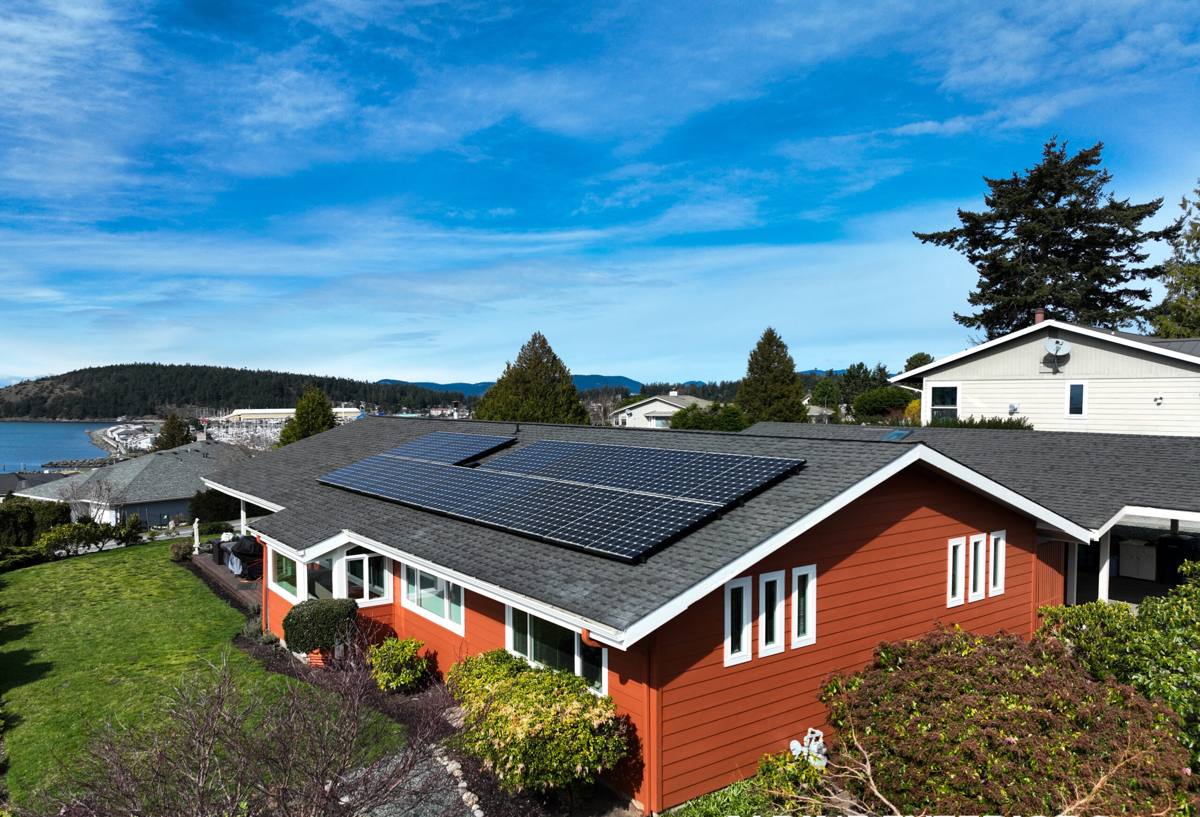
Semiahmoo sits close enough to the water that salt air is part of daily life, not an occasional nuisance. Add Whatcom County's steady diet of driving rain off the Salish Sea and a moss season that can run half the year in shaded, north-facing spots, and you've got conditions that are genuinely harder on windows than what most manufacturers design and test for. A window that performs fine forty miles inland can start showing seal failure, hardware corrosion, or frame rot within a few years out here if it wasn't installed with this specific environment in mind.
This page covers what window installation actually requires for a Semiahmoo home — the materials, the technique, and the reasoning behind both — so you know what a correct job looks like before you hire anyone.
What Salt Air, Rain, and Moss Actually Do to a Window
Each of these stresses attacks a window a little differently, and understanding the mechanism helps explain why the installation details matter as much as the window itself.
Salt Air
Airborne salt is corrosive to exposed metal — hinges, cranks, locks, and screws — and it accelerates the breakdown of some finishes and sealants faster than plain moisture would on its own. Homes with a direct or partial water exposure see this show up first on hardware that starts sticking, pitting, or discoloring well ahead of the glass or frame itself failing.
Driving Rain
Wind-driven rain doesn't just fall on a window, it gets pushed sideways and upward into any gap in the flashing or trim. Whatcom County storms coming off the water regularly carry enough horizontal force to find weaknesses that would never be tested by a calm, straight-down rain. This is almost entirely an installation issue, not a product issue — the window can be excellent and still leak if the flashing and sill pan underneath it were done wrong.
Moss and Sustained Moisture
Long stretches of damp, mild weather are exactly what moss and mildew need to establish themselves on sills, trim, and any wood surface that stays wet longer than it should. Once moss gets a foothold at a window's lower edge, it holds moisture against the wood or trim continuously, which is a slow but steady path to rot if it isn't addressed.
What a Correct Window Installation Actually Involves
The window itself is only part of the job. In a climate like this, the water management details around it matter just as much — arguably more, since most window failures we get called out for are installation problems, not product defects.
Flashing and the Sill Pan
Every opening needs a sloped sill pan and properly lapped flashing tape so that any water that does get behind the trim is directed back out, not into the wall cavity. This layer is invisible once the job is done, which is exactly why it's the step that gets skipped or rushed on a lower-quality install — nobody sees it until there's a problem.
Frame Material and Fasteners
Near salt air, we default to fasteners and hardware rated for corrosion resistance rather than standard-grade screws, and we're deliberate about which frame materials go where based on sun and water exposure on that specific elevation of the house.
Sealing and Weatherproofing
The interior and exterior sealant beads both matter, and they serve different purposes — the exterior bead sheds bulk water, the interior side manages air sealing and condensation control. Using the same caulk for both, or skipping the interior air seal entirely, is a shortcut that shows up later as drafts or moisture between the frame and the rough opening.
Insulation Around the Frame
The gap between the window frame and the rough opening needs to be filled with a low-expansion foam or backer rod and sealant — not packed tight with fiberglass, which does little to stop air movement and nothing to stop water.
Choosing the Right Window for a Semiahmoo Property
There's no single "best" window for this area — the right choice depends on how exposed the home is, how much upkeep you want to do, and your budget. Here's how the common frame materials stack up for a coastal Whatcom County property.
| Frame Material | Salt Air Performance | Maintenance | Notes |
|---|---|---|---|
| Vinyl | Good — won't corrode or rot | Low | Most cost-effective option; quality varies a lot between manufacturers |
| Fiberglass | Very good — dimensionally stable, resists salt and moisture | Low | Higher upfront cost, holds paint well if you want a custom color |
| Wood (unclad) | Poor near direct salt exposure without diligent upkeep | High | We generally steer clients away from unclad wood on exposed elevations here — the maintenance burden and rot risk are real, not because the wood itself is bad |
| Wood-clad (vinyl or aluminum exterior) | Good — exterior shell protects the wood core | Moderate | Gives an interior wood look with better weather resistance than bare wood |
| Aluminum | Fair — can corrode over time near salt without a quality finish | Moderate | Less common for residential in this area; thermal performance is weaker than vinyl or fiberglass |
For most Semiahmoo homes with real water exposure, we point clients toward vinyl or fiberglass first, simply because they hold up with the least fuss. If you want a wood interior look, wood-clad gets you there without taking on bare wood's maintenance schedule.
Glass Packages Worth Considering
Double-pane, low-E glass is the baseline we'd recommend for this climate. Argon-filled units add a bit more thermal performance for a modest cost bump. Triple-pane is worth discussing on north-facing or wind-exposed walls where comfort and condensation control matter more, but it's not always necessary on every elevation of a house.
Our Installation Process
The order and care of these steps is what separates a window that performs for decades from one that starts leaking in year three.
- On-site assessment: We look at each opening individually — sun exposure, wind exposure, existing water damage, and what's driving the replacement (drafts, fogging, rot, appearance).
- Measurement and product selection: Exact measurements, then a frame material and glass package recommendation based on that specific opening's exposure, not a one-size answer for the whole house.
- Careful removal: Old windows come out without damaging the rough opening, and we check the framing underneath for any hidden rot or moisture before moving forward.
- Sill pan and flashing: A sloped sill pan and properly lapped flashing tape go in before the window ever touches the opening.
- Setting the window: Leveled, plumbed, and squared, with shims placed to manufacturer spec so the frame isn't under stress that could crack a seal over time.
- Insulation and air sealing: Low-expansion foam or backer rod around the frame, sealed on the interior side for air and moisture control.
- Exterior trim and sealant: Corrosion-resistant fasteners, weather-rated caulk, and trim work that sheds water away from the opening rather than trapping it.
- Interior finish: Trim and paint or stain matched to the rest of the room.
- Final walkthrough: We test operation, check the seal, and walk the job with you before calling it done.
Signs Your Current Windows Are Already Struggling
Given the climate here, it's worth checking your windows for these signs even if nothing seems obviously wrong yet:
- Fogging or a hazy film between the panes — this means the seal has failed and the insulating gas is gone
- Soft, spongy, or discolored trim and sill wood
- Visible moss or persistent green growth on sills or lower trim
- Windows that stick, won't latch fully, or take real effort to open and close
- Noticeable drafts near the frame, especially during windy, wet weather
- Corroded, stiff, or pitted hardware — cranks, locks, hinges
- Peeling paint or cracked, gapped caulk lines around the exterior frame
- Condensation forming regularly on the interior glass or frame
Any one of these on its own might just need a repair. Several at once, or anything paired with soft wood, usually means it's time to talk about replacement before the damage spreads to the framing around the window.
What Installation Actually Costs
Pricing depends on the window itself, how many openings you're doing, and how much work is involved beyond just the window. These are broad ranges to help you think about budget, not a quote — every home is different.
| Factor | What Drives the Cost |
|---|---|
| Window size and count | Larger openings and picture windows cost more per unit; whole-house jobs typically get a better per-window rate than one-offs |
| Frame material | Vinyl is generally the most affordable, fiberglass and wood-clad run higher |
| Glass package | Low-E and argon fill add a modest amount per window; triple-pane adds more |
| Installation complexity | Standard replacement into an existing opening costs less than a new construction opening or a job with hidden rot to repair first |
| Trim and exterior finish work | Matching existing trim profiles or repainting/staining afterward adds labor and material |
The honest answer for most Semiahmoo homes is a mid-range budget for standard vinyl or fiberglass replacement windows, with the total depending heavily on how many openings you're doing at once and whether we find any surprises once the old windows come out.
Why Local Experience Matters for This Specific Job
Window installation isn't a one-size-fits-all trade, and a crew that mostly works drier, less exposed inland areas doesn't always carry the same instincts about flashing detail, hardware choice, and material selection that a Semiahmoo property actually needs. Working this coastline regularly means we already know which elevations of a house take the worst of the wind-driven rain, where moss tends to establish first, and which shortcuts simply don't hold up out here — because we've seen the callbacks from them.
That local pattern recognition is the difference between an installation that's technically correct on paper and one that's actually built for the conditions your specific home deals with every winter.
Keeping New Windows Performing Long-Term
A correct installation gets you most of the way there, but a little seasonal attention extends the life of any window in this climate:
- Rinse salt residue off exterior frames and glass periodically, especially after storms
- Keep gutters and downspouts clear so water isn't sheeting down across window openings
- Check and clear any moss starting on sills or nearby trim before it spreads
- Inspect exterior caulk lines once a year and have gaps or cracks resealed early
- Operate hardware occasionally through the wetter months so cranks and locks don't seize up
If you're weighing a repair versus replacement, want a second opinion on windows that seem to be struggling, or you're planning a full-house update, we're happy to take a look and give you a straightforward assessment. Reach out for a free, no-pressure estimate using the form below.