 Ferndale
 Windows on the Semiahmoo Spit Take a Different Kind of Beating
Semiahmoo sits about as exposed to the water as a Whatcom County property can get. Homes here face wind coming straight off Semiahmoo Bay and the Strait of Georgia, near-constant humidity, and salt-laden air that settles on every exterior surface, window frames included. That combination doesn't just wear down paint and siding — it works on window seals, hardware, and frame materials in ways that inland Ferndale or Bellingham homes rarely deal with. If you've noticed hardware pitting, foggy double-pane glass, or drafts around your window frames, the cause is usually a slow accumulation of moisture and salt exposure rather than one bad storm.
We install windows throughout Whatcom County, but Semiahmoo gets treated as its own case. The right window here isn't necessarily the same product or install method we'd recommend a few miles inland, and that distinction matters more than most homeowners realize until they've replaced windows once already and watched the same problems come back.
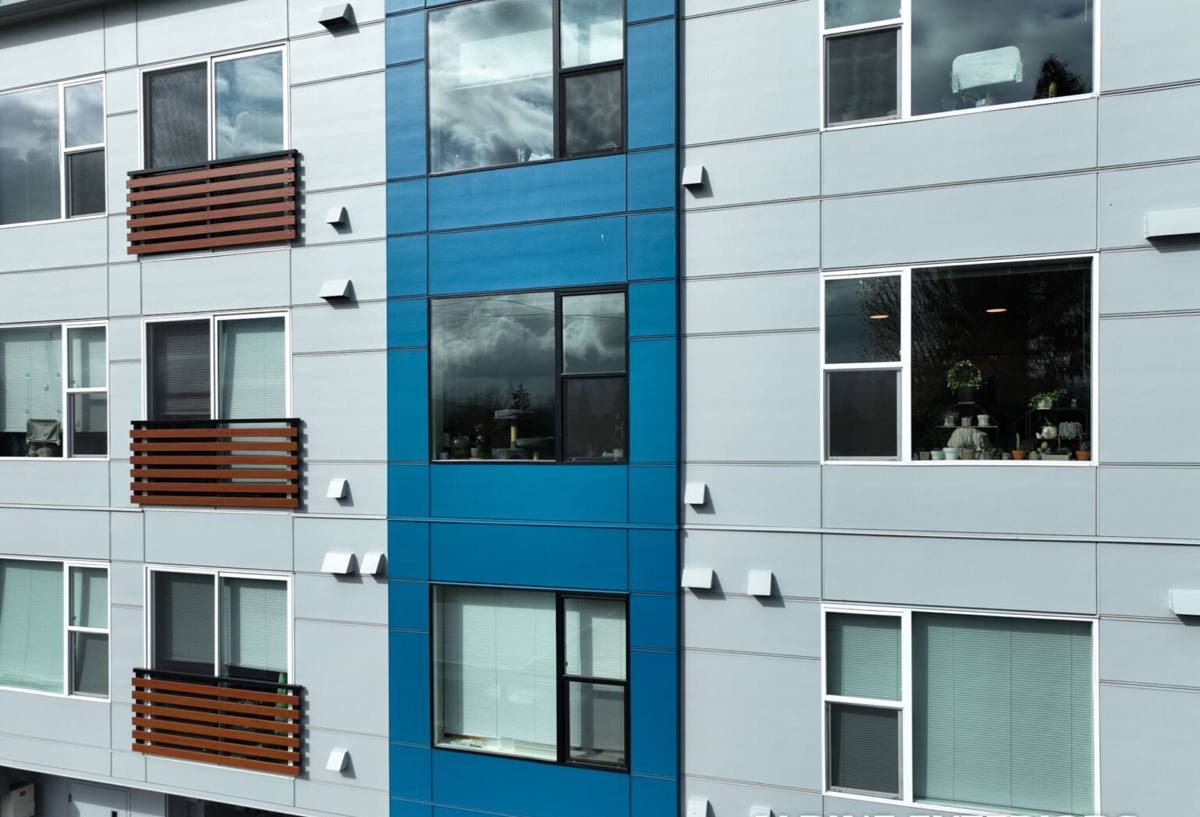
What Salt Air and Driving Rain Actually Do to a Window
Salt Air and Corrosion
Salt in the air is hygroscopic — it pulls moisture out of the atmosphere and holds it against whatever surface it lands on. On windows, that means constant low-grade corrosion on hinges, cranks, locks, and screws, especially on lower-cost hardware that isn't rated for marine exposure. Aluminum frames are particularly vulnerable to pitting and white oxidation over time unless they're specifically coated for coastal use. Vinyl and fiberglass don't corrode, but their hardware still can if it's not spec'd correctly.
Driving Rain and Wind-Driven Water
Semiahmoo's exposure means rain doesn't just fall straight down — wind pushes it sideways and up under trim, sills, and flashing that would stay dry in a more sheltered location. A window that's watertight in calm rain can still leak during a wind-driven storm if the flashing details and sill pan weren't built for lateral water intrusion. This is one of the most common reasons a technically "new" window still leaks: the glass and frame were fine, but the installation didn't account for wind-driven rain.
Moss Season and Trim Decay
Western Washington's long wet season keeps moss and algae established on north-facing and shaded window trim for much of the year. Left alone, that moisture stays in contact with wood trim and sill areas far longer than it should, which accelerates rot at the exact points where water intrusion would otherwise be stopped. Even if the window unit itself is sound, decayed trim around it undermines the whole assembly.
Signs a Semiahmoo Home Needs Window Replacement, Not Just Repair
- Fogging or a visible haze between panes — the seal has failed and the insulating gas is gone
- Soft, discolored, or crumbling wood trim or sill around the frame
- Hardware that's stiff, pitted, or won't lock cleanly anymore
- Noticeable draft or cold spot near the frame even with the window fully closed
- Visible gap, daylight, or water staining between the frame and the siding or trim
- Condensation forming on the inside of the glass regularly, even in mild weather
- Difficulty opening, closing, or latching the window without forcing it
Any one of these can sometimes be handled with a repair. Two or more together, especially on a window facing the water or prevailing wind, usually means the frame or seal system has reached the point where replacement is the more honest fix.
Choosing the Right Window Materials for This Exposure
Not every window line sold in the Pacific Northwest is built with a marine environment in mind. For Semiahmoo, we steer homeowners toward frame materials and hardware finishes rated for coastal exposure rather than the standard inland spec.
| Frame Material | Coastal Performance | Maintenance | Our Take |
|---|---|---|---|
| Vinyl (quality-grade) | Won't corrode; handles salt air well | Low — occasional cleaning | Solid, cost-effective default for most Semiahmoo homes |
| Fiberglass | Excellent — very stable in temperature swings and salt exposure | Low | Best long-term option where budget allows, especially waterfront-facing walls |
| Aluminum (standard) | Poor unless marine-coated — prone to pitting and oxidation | Moderate to high | We avoid uncoated aluminum here; the corrosion risk outweighs the look |
| Wood or wood-clad | Requires diligent upkeep; exposed wood is vulnerable to rot in this climate | High | Only where the aesthetic is a firm requirement, paired with aggressive sealing and upkeep |
Hardware matters as much as the frame. Stainless steel or marine-grade coated hardware costs a bit more up front but avoids the pitted-lock, stuck-crank problems that show up within a few years on standard-grade fittings in this location.
What a Correct Installation Looks Like Here
Flashing and Sill Pan Detail
The window unit is only part of the system. Around Semiahmoo, we treat sill pan flashing and integration with the weather-resistive barrier as non-negotiable — not an upsell. A sill pan directs any water that does get past the window back out instead of into the wall framing, which matters more here than in sheltered inland lots given how much wind-driven rain this exposure sees.
Sealants Rated for the Climate
We use sealants and backer rod systems chosen for long-term flexibility in a wet, temperature-swinging coastal climate. Cheaper caulk hardens and cracks faster under this kind of exposure, which reopens the exact gaps that let water and drafts in within a year or two.
Trim and Cladding Tie-In
Where trim has already seen moss or moisture damage, we address that as part of the job rather than caulking over compromised wood. Reinstalling a window into decayed trim just moves the failure point, it doesn't fix it.
Our Process for a Semiahmoo Window Replacement
- On-site assessment — we check frame condition, trim, flashing, and how each window is currently handling water and wind exposure
- Material and hardware recommendation — matched to the specific wall's exposure (waterfront-facing walls often get a different spec than a sheltered side yard)
- Removal and inspection — once the old unit is out, we check the framing and sheathing underneath for hidden rot before anything new goes in
- Correct flashing and sill pan installation — built for wind-driven rain, not just standard vertical rainfall
- New window installation and sealing — using sealants and fasteners suited to salt air exposure
- Trim finish and cleanup — matching existing exterior detailing where possible
Cost Factors Specific to Semiahmoo Jobs
Pricing depends on the same core factors as anywhere — window size, frame material, and number of openings — but a few things tend to shift the number for waterfront and near-shore Semiahmoo properties specifically:
| Factor | Why It Affects Cost Here |
|---|---|
| Frame material upgrade | Fiberglass and marine-rated vinyl cost more than standard vinyl but hold up far better against salt air |
| Hidden trim or sheathing damage | Long moss season means water has often gotten into trim before it's visible from outside |
| Number of exposure-facing openings | Windows facing the water or prevailing wind often warrant the upgraded spec; sheltered sides may not |
| Site access | Waterfront lots and multi-story homes can add scaffolding or staging time |
| Existing flashing condition | Retrofitting proper sill pan flashing on an older home takes more labor than a straightforward swap |
We give a straight answer on which of these actually apply to your home during the estimate — we don't pad a quote with upgrades a particular wall doesn't need.
Why It Matters to Hire a Crew That Already Works This Area
Window replacement done by a crew unfamiliar with coastal Whatcom County conditions often looks fine on install day and starts failing within a couple of seasons — usually because standard flashing details or standard-grade hardware weren't built for this level of salt and wind exposure. A crew that regularly works Semiahmoo and the surrounding shoreline communities already knows which details can't be skipped and which products hold up versus which ones look fine on paper but corrode or leak within a few years out here.
We're a Ferndale-based crew that works throughout Whatcom County, including the coastal and waterfront properties around Semiahmoo, Blaine, and Birch Bay. That local, repeat exposure to this specific climate is part of what we bring to the job — not a sales pitch, just the practical result of having seen what fails and what doesn't in this exact environment.
Maintaining New Windows in a Salt-Air Environment
Even a correctly installed, well-matched window benefits from basic upkeep in this climate:
- Rinse frames and hardware periodically to clear salt residue, especially on waterfront-facing sides
- Keep gutters and trim clear of moss and debris so water sheds away from window openings
- Check and re-lubricate locks and cranks annually — even corrosion-resistant hardware benefits from it
- Watch caulking lines for cracking or gaps after a few years and have them refreshed before they fail
None of this is heavy maintenance, but skipping it in a high-exposure spot like Semiahmoo shortens the life of even a good window system.
If your windows are fogging, drafting, or showing wear that seems faster than it should for their age, we're happy to take a look. We offer a free, no-pressure estimate for Semiahmoo homeowners — just fill out the form below and we'll walk through what your windows actually need.