 Ferndale
 Deck Repair Built for Blaine's Coastal Conditions
Blaine sits close to the water in northern Whatcom County, and that proximity to Semiahmoo Bay and the Strait of Georgia shapes how decks age here. Salt-laden air accelerates corrosion on fasteners and hardware, wind-driven rain finds its way into joints that would stay dry a few miles inland, and the region's long, damp shoulder seasons give moss and algae months to work into wood fiber. A deck that looks fine from the yard can be hiding soft framing, corroded connectors, or a ledger board that's slowly separating from the house.
We repair decks throughout the Ferndale and Blaine area and see the same failure patterns again and again. This page walks through what actually causes deck problems in this climate, what a correct repair involves, and how our process works — so you know what to expect before we ever show up with tools.
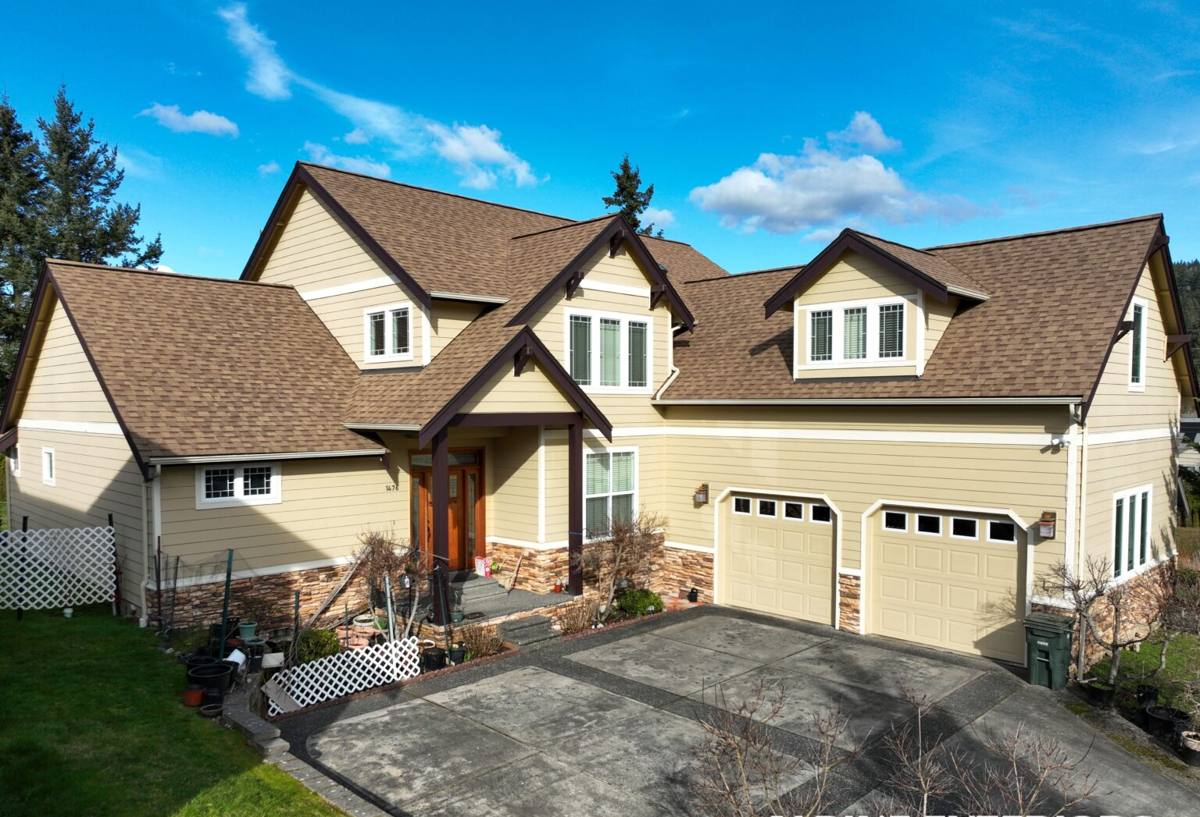
Why Decks Fail Faster Near Blaine's Waterfront
Salt Air and Metal Fatigue
Airborne salt doesn't just affect boats and railings on the water — it settles on any deck within range of onshore wind, including fasteners, joist hangers, and structural screws. Standard galvanized coatings can break down faster in this environment than they would inland, leading to rust streaks, weakened connections, and eventually loose or failing hardware years before the wood itself gives out.
Driving Rain and Wind Exposure
Storms coming off the water often bring horizontal rain, which pushes moisture into places a straight-down rain never would — under railings, behind fascia boards, and into the seam where a deck meets the house. That's why so many repairs we make start at the ledger board connection, not the decking surface homeowners notice first.
Moss, Algae, and a Long Wet Season
Whatcom County's mild, wet winters and shaded yards give moss and algae a long runway to establish themselves on deck boards, especially on the north side of a house or under tree cover. Beyond being slick and unsightly, moss holds moisture against wood surfaces long after the rest of the deck has dried, which speeds up rot in the boards underneath.
Signs a Deck Needs Repair — Not Just Cleaning
A pressure wash or a coat of stain can hide surface problems for a season, but it won't fix what's happening underneath. Watch for these signs that point to real structural or moisture damage:
- Boards that feel spongy, bounce, or flex more than they used to
- Visible gaps opening between the deck and the house at the ledger board
- Rust stains bleeding from screw heads or metal connectors
- Railings or stair stringers that wiggle when you grip them
- Persistent dark staining or moss growth that returns quickly after cleaning
- Soft spots you can press a finger or screwdriver into around post bases
If you're seeing any of these, it's worth getting an inspection before the next wet season rather than waiting for a board to fail underfoot.
What a Correct Deck Repair Actually Involves
Start With the Structure, Not the Surface
The framing underneath — joists, beams, posts, and the ledger board connection to the house — carries the load. Any repair that only replaces surface decking without checking the structure underneath is a temporary fix at best. We check for rot at connection points, confirm joist hangers and structural fasteners are sound, and verify the ledger flashing is actually shedding water away from the house rather than trapping it.
Flashing and Water Management
Most serious deck rot we find traces back to water getting trapped somewhere it shouldn't — behind poorly flashed ledger boards, under railing posts without proper base protection, or in end-grain cuts that were never sealed. A repair that doesn't correct the water path will fail again, often in the same spot.
Matching Materials the Right Way
Replacing a rotted board with a mismatched species or an unsealed cut end just relocates the problem. We match decking material and fastener type to what's already there when it makes sense, or recommend an upgrade where the original material or hardware clearly wasn't suited to this climate.
Repair or Replace: How We Help You Decide
Not every deck with problems needs to be torn out. The right call depends on how much of the structure is affected and how old the deck already is.
| Factor | Repair Usually Makes Sense | Replacement Usually Makes Sense |
|---|---|---|
| Extent of rot/damage | Isolated boards, posts, or connections | Widespread rot across framing or multiple structural members |
| Age of deck | Under 15-20 years, structure otherwise sound | Original structure near or past typical service life |
| Ledger board condition | Solid, properly flashed | Rotted or improperly attached to the house |
| Code compliance | Meets current railing/spacing/footing standards | Older deck built to outdated or unknown standards |
| Cost over time | Lower upfront cost, targeted fix | Higher upfront cost, resets the clock on the whole structure |
We'll always give you an honest read on which category your deck falls into rather than defaulting to the bigger job.
Our Deck Repair Process
1. On-Site Inspection
We check the ledger connection, framing, posts, footings, railings, and decking surface, probing suspect areas rather than just looking at the finish. We'll point out what we find in plain terms — including anything that's fine and doesn't need touching.
2. Clear Scope and Straightforward Pricing
You get a written scope of what's being repaired, what materials and fasteners we're using, and why — no vague allowances or open-ended change orders once work starts.
3. Repair the Structure First
Framing, connectors, and flashing get addressed before any cosmetic work. This is the step that determines whether the repair actually lasts through Blaine's wet winters or just buys you a season or two.
4. Surface Repair and Protection
Once the structure is sound, we address decking, railings, and stairs, and finish with sealing or protective treatment appropriate to the material — important in an environment where UV, rain, and salt air all work on exposed wood at once.
Materials and Fasteners We Use in This Environment
Given the salt exposure and rain this area sees, hardware choice matters as much as the decking material itself. We favor stainless steel or high-grade coated fasteners and connectors over standard galvanized hardware in areas with direct salt air exposure, since the cost difference is small relative to how much longer they hold up. For decking material, both quality pressure-treated lumber and composite have a place — the right choice depends on your budget, how much upkeep you want to do, and how exposed the deck is to sun, rain, and salt air. We'll walk through the honest trade-offs — maintenance, moisture behavior, and appearance over time — rather than push one product for every job.
Seasonal Deck Maintenance for Blaine Homeowners
A well-executed repair lasts longer with a little seasonal attention. Between visits, this is what we tell clients to keep an eye on:
- Clear leaves and debris from between boards and off ledger flashing before fall rains set in
- Rinse or lightly scrub moss and algae buildup before it has a chance to establish, especially on shaded sections
- Check that gutters and downspouts near the deck aren't dumping extra water onto it
- Look at fastener heads periodically for early rust staining, a sign hardware is starting to break down
- Reseal or refinish wood decking on the schedule appropriate to the product — don't wait until it's visibly weathered
- Test railings and stair connections by hand a couple of times a year
Why a Crew That Already Works in Blaine Matters
Deck repair here isn't the same job as deck repair in a drier, inland part of the state. A crew that regularly works Whatcom County's coastal communities already knows where water tends to get trapped on a ledger board facing the prevailing weather, which fastener grades hold up and which don't, and how aggressively moss needs to be managed on a shaded, damp lot. That local pattern recognition means fewer surprises once a repair is underway and a better chance the fix actually addresses the root cause instead of the symptom you can see from the yard.
We also understand that a deck repair is disruptive to a household — we aim to scope the work accurately upfront so you're not dealing with an open-ended project stretching through the wet season.
Get a Free, No-Pressure Estimate
If your deck is showing rot, loose railings, rust-streaked hardware, or moss that keeps coming back, it's worth having it looked at before the next wet season sets in. We offer free, no-pressure estimates for deck repair in Blaine and the surrounding Ferndale area — use the form below to get started.