 Ferndale
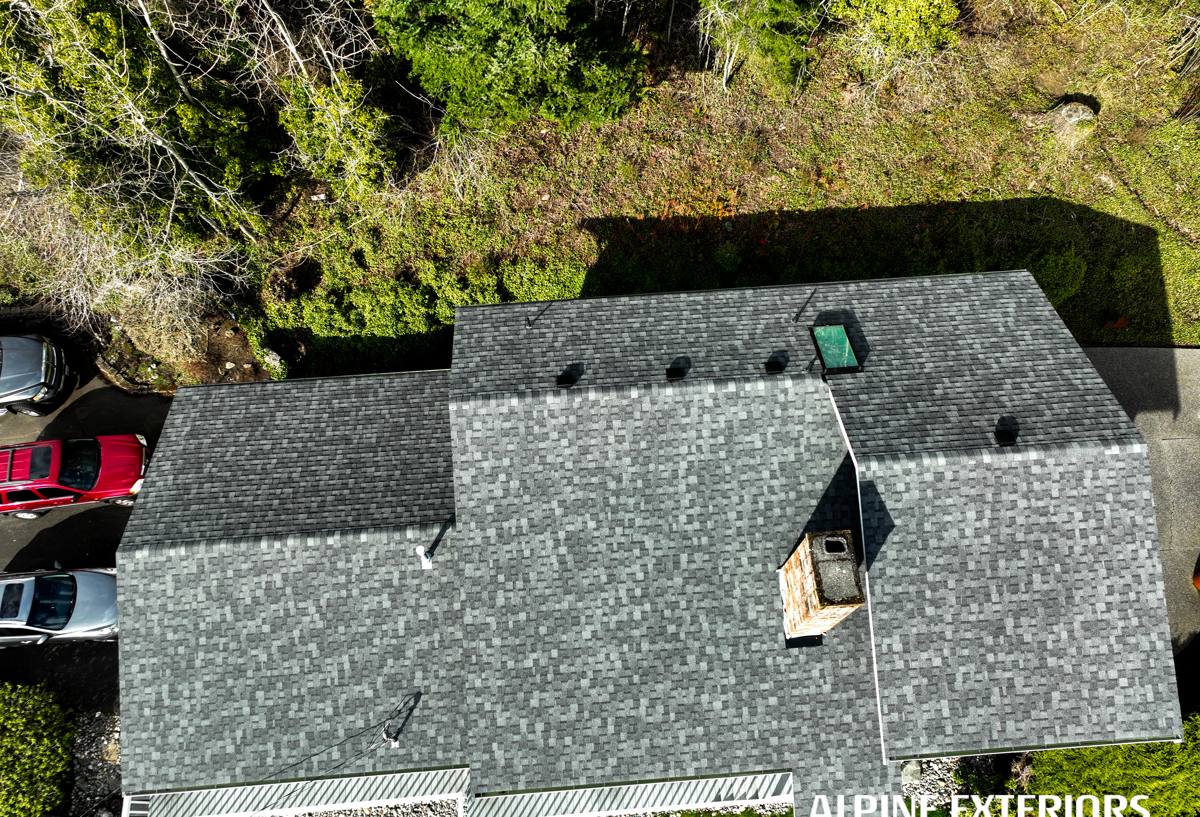
 New Roof Installation Built for Cordata's Climate
Homes in and around Cordata sit close enough to the water and the marine air patterns that move through Whatcom County that a roof here works harder than a roof in a drier inland climate. Salt-laden air, months of steady drizzle, and a moss season that can stretch from fall through spring all chip away at roofing materials that weren't installed with this environment in mind. When it's time for a new roof, the goal isn't just to cover the house — it's to install a system that can shed water fast, resist moss colonization, and hold up to corrosive coastal air year after year.
We install new roofs for homeowners throughout the Cordata area and the rest of Ferndale, and we approach every project the same way: as a system, not just shingles. Underlayment, ventilation, flashing, and fasteners all matter as much as the roofing material itself, especially in a climate that rarely gives a roof a break from moisture.
What Cordata's Climate Does to an Aging Roof
Before talking about installation, it helps to understand why roofs in this area fail the way they do. It's rarely one catastrophic event — it's slow, cumulative damage from the same conditions repeating for years.
Salt Air and Metal Corrosion
Proximity to Puget Sound means airborne salt can settle on roofing metal — flashing, fasteners, vents, and gutters — and accelerate corrosion. Standard, uncoated fasteners and thin flashing are the first components to show rust, and once flashing corrodes, water finds its way underneath shingles at valleys, chimneys, and roof-to-wall transitions.
Driving Rain and Wind-Driven Moisture
Whatcom County storms often bring rain sideways, not straight down. That means water gets pushed up under shingle edges and into laps that would stay dry in a calmer climate. Roofs here need tighter sealing at eaves, rakes, and low-slope transitions than roofs built for less exposed regions.
Moss and Organic Growth
Shade, moisture, and mild temperatures are exactly what moss needs to thrive, and Cordata's tree cover and long damp season give it plenty of opportunity. Moss holds moisture against the roof surface, lifts shingle edges as it grows, and works its way into fastener holes over time. Left unmanaged, a mossy roof ages faster than a clean one, regardless of the material.
Signs a Cordata Home Needs a New Roof, Not Another Repair
Not every roofing problem calls for full replacement, but there's a point where repairs stop being cost-effective. We look at the whole picture before recommending a full new roof:
- Granule loss heavy enough that shingles look bald in patches, especially on south- and west-facing slopes
- Curling, cupping, or cracked shingles across multiple areas rather than one isolated spot
- Soft or spongy decking felt underfoot in the attic or from the roof surface
- Repeated moss removal that keeps coming back within a season or two
- Rusted or failing flashing at valleys, chimneys, and skylights
- Visible daylight through the roof deck from inside the attic
- Roof age beyond 20-25 years for asphalt systems in this climate, even without obvious leaks
If a roof is only showing one or two of these signs in a contained area, targeted repair may still make sense. When several show up together, replacement usually costs less over time than continuing to patch a system that's failing as a whole.
What a Correct New Roof Installation Includes
A new roof is only as good as the layers underneath it. In a climate like this one, we don't treat any of the following as optional add-ons — they're part of doing the job right.
Tear-Off and Deck Inspection
We remove the old roofing down to the deck rather than layering over it. This lets us actually see the plywood or plank decking underneath and replace any sections that are soft, delaminated, or water-stained before new material goes down. Roofing over a compromised deck just hides the problem.
Underlayment Suited to Wet Climates
Synthetic underlayment with strong water resistance goes down first, with self-adhering ice-and-water membrane at vulnerable points — eaves, valleys, and around penetrations — where wind-driven rain is most likely to force water backward under the roofing material.
Corrosion-Resistant Flashing and Fasteners
Given the salt exposure in this area, we use flashing and fasteners rated for coastal or marine-adjacent conditions rather than basic galvanized components that corrode faster here than they would inland. This applies at chimneys, skylights, valleys, and wall-to-roof transitions — the places where a roof most often starts leaking.
Proper Attic Ventilation
Balanced intake and exhaust ventilation keeps moisture from condensing in the attic, which matters in a humid climate where trapped moisture can rot decking and framing from the inside even when the roofing surface looks fine. Ventilation also reduces the temperature swings that shorten shingle life.
Moss-Resistant Details
Where appropriate, we install zinc or copper strips near the ridge, which release trace metal ions with each rain that inhibit moss and algae growth over time. It's not a substitute for a properly ventilated, well-drained roof, but it's a practical layer of defense in a moss-prone area like this one.
Choosing the Right Roofing Material for This Area
Material choice matters, but installation quality matters more — a well-installed asphalt roof will outperform a poorly installed premium material every time. That said, here's how the common options compare for a coastal Whatcom County home:
| Material | Typical Lifespan Here | Moss/Moisture Notes | Maintenance |
|---|---|---|---|
| Architectural Asphalt Shingle | 20-30 years | Good performance with proper ventilation and moss treatment; widely used and cost-effective | Periodic moss removal, gutter checks |
| Metal (Standing Seam) | 40-50+ years | Sheds water fast, resists moss growth well due to smooth surface | Low; watch fastener and coating condition near salt air |
| Wood Shake | 20-30 years with upkeep | Absorbs moisture, needs consistent maintenance to resist rot and moss in this climate | High; regular treatment needed |
| Synthetic/Composite | 30-50 years (mfr. dependent) | Generally strong moisture resistance; performance varies by product | Low to moderate |
We'll walk through these trade-offs honestly during your estimate rather than steering everyone toward the same product. Budget, roof pitch, home style, and how much long-term maintenance you want to take on all factor into the right choice.
Our Installation Process
- On-site inspection and estimate: We walk the roof and attic, check decking condition where accessible, and discuss material options based on your home and budget.
- Written proposal: A clear scope of work, material specifications, and price — no vague allowances or surprise add-ons sprung on you mid-project.
- Tear-off and deck repair: Old roofing comes off, decking is inspected, and any damaged sections are replaced before anything new goes down.
- Underlayment and flashing installation: Ice-and-water membrane, synthetic underlayment, and corrosion-resistant flashing go in at every vulnerable point.
- Roofing material installation: Installed to manufacturer specifications, with attention to nailing patterns, exposure, and sealing — the details that determine wind and rain performance.
- Ventilation and moss-prevention details: Ridge and soffit ventilation confirmed, moss-inhibiting strips installed where called for.
- Final walkthrough and cleanup: Full site cleanup, magnetic sweep for debris, and a walkthrough so you know exactly what was done and what to expect going forward.
Cost Factors for a Cordata-Area Roof Replacement
Every roof is different, but the same variables tend to move the price up or down. Rather than quote a number that won't apply to your specific home, here's what actually drives cost:
| Factor | How It Affects Cost |
|---|---|
| Roof size and number of planes | More square footage and complexity means more material and labor time |
| Roof pitch | Steeper roofs require more safety setup and take longer to install |
| Number of layers to remove | Tearing off multiple old layers costs more than a single-layer tear-off |
| Decking condition | Rotted or soft decking sections add material and labor for repair |
| Material choice | Asphalt, metal, and specialty products carry different material costs |
| Flashing and penetrations | Chimneys, skylights, and multiple valleys add detail work |
| Ventilation upgrades | Adding or improving ridge/soffit vents adds modest cost but pays off long-term |
We provide a written, itemized estimate so you can see exactly where the cost is going rather than a single lump-sum number.
Why It Matters That Your Roofer Already Works in This Area
Roofing crews who work regularly in Cordata and the surrounding Ferndale area already know how this climate behaves — which slopes hold moss longest, where wind-driven rain tends to find weak spots, and which flashing and fastener choices actually hold up against salt air over the long run. That local pattern recognition shows up in fewer callbacks and a roof that performs the way it's supposed to from day one, instead of a generic installation that wasn't built with this coastline in mind.
We're also familiar with the permitting and inspection expectations in Whatcom County, so there's no guesswork or delay on that front. And because we're local, warranty follow-up and future maintenance visits aren't a logistical hassle — we're not traveling in from out of the area to check on a roof we installed.
Maintaining Your New Roof in a Moss-Prone Climate
A correctly installed roof still benefits from basic upkeep, especially here. A few habits go a long way toward protecting your investment:
- Keep gutters clear so water isn't backing up under the eaves during heavy rain
- Trim back overhanging branches to reduce shade and debris that feed moss growth
- Have moss growth addressed before it spreads, rather than waiting until it's heavy
- Schedule a roof check after major windstorms to catch lifted or damaged shingles early
- Watch for granules collecting in gutters, which can signal accelerated shingle wear
None of this replaces professional inspection, but staying on top of these basics between visits helps a new roof reach its full lifespan in a climate that doesn't make it easy.
Get a Free, No-Pressure Estimate
If your roof is showing its age or you're planning ahead for a replacement, we're happy to take a look and walk you through honest options for your home. There's no pressure and no obligation — just a straightforward assessment from a crew that knows what Cordata-area homes need from a roof. Fill out the form below to schedule your free estimate.