 Ferndale
 Windows in Cordata Have a Harder Job Than People Realize
Cordata sits close enough to the water and to Ferndale's low-lying farmland that its homes take on a specific mix of weather stress: salt-tinged air drifting in off the Strait, driving rain that comes in sideways more often than straight down, and a moss season that can run eight or nine months out of the year on a shaded lot. None of that is dramatic on its own. It's the accumulation that wears windows out — not a single storm, but years of moisture cycling through the same joints, sills, and frame corners every single winter.
When we install windows in this neighborhood, we're not just swapping glass. We're replacing a weak point in the building envelope with one that's actually built to shed water, resist wind-driven rain intrusion, and hold up to salt air without the frame corroding or the finish chalking out in five years. That's a different job than window installation in a drier inland climate, and it changes how we flash, seal, and select materials.
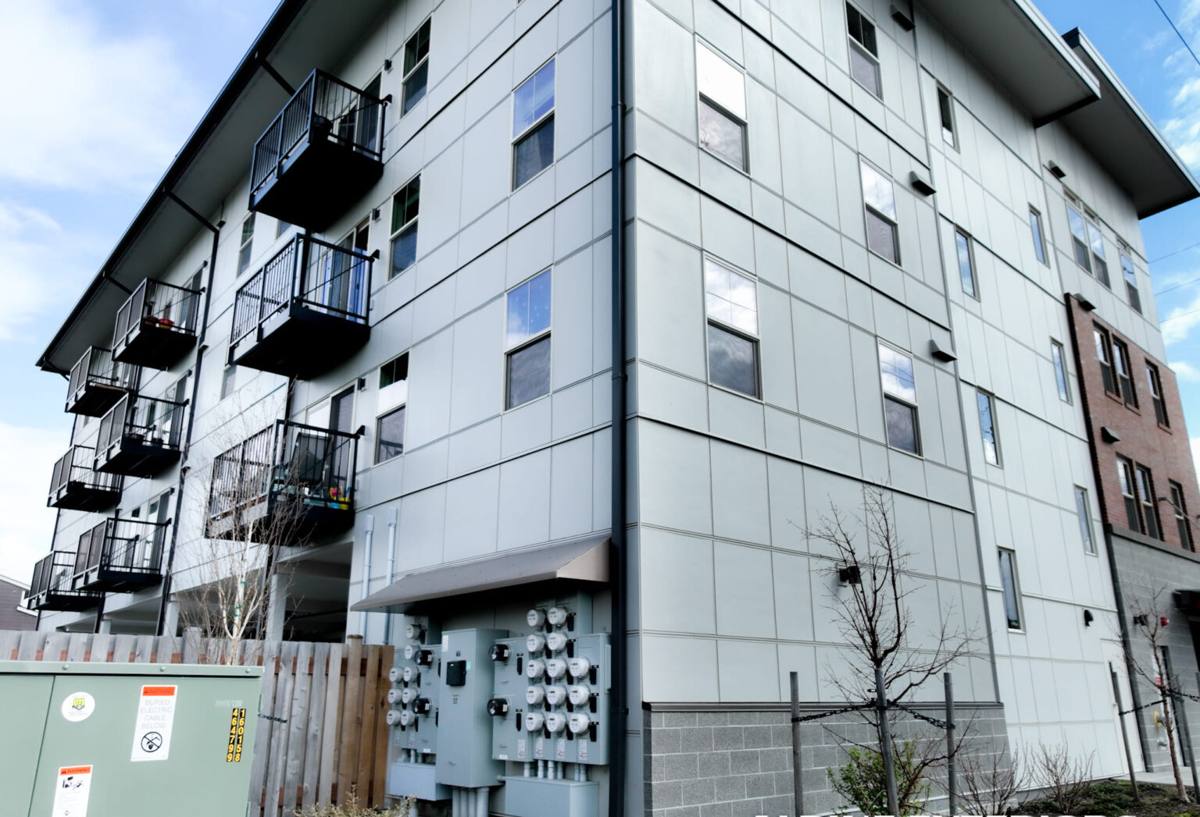
What Cordata Homes Actually Need From New Windows
Most of the housing stock in and around Cordata falls into a few eras — older single-pane or early dual-pane builds that have simply reached the end of their service life, and newer construction where the windows are fine but the original installation flashing wasn't detailed for this much rain exposure. Both situations call for the same baseline standard:
- Dual-pane (or better) glazing rated for Northwest coastal wind and moisture exposure
- Corrosion-resistant hardware — cheap fasteners and hinges are usually the first thing to fail near salt air
- Frame materials that don't wick or hold moisture against the sheathing
- Flashing details that assume the wall behind the window will get wet, and manage that water instead of trapping it
- Weep paths that stay clear even after moss and organic debris build up on the sill
That last point surprises people. A window can be installed correctly and still fail early if the weep holes get clogged with the same organic growth that colonizes roofs and siding here. Part of doing this job right in Whatcom County is designing the drainage path so it keeps working with minimal upkeep, not just on installation day.
Signs a Window Is Past Its Prime
Homeowners in Cordata usually call us for one of a handful of reasons. If you're seeing any of these, it's worth having the window looked at rather than waiting:
- Fogging or a visible haze between panes — the seal has failed and the gas fill is gone
- Soft or discolored trim and sill wood, especially on the south and west-facing sides that catch the worst of the driving rain
- Visible moss or dark staining building up in the corners of the frame or sill
- Drafts you can feel with a hand near the frame on a windy day
- Windows that are hard to open, close, or lock — frames can shift slightly as wood swells and dries with the seasons
- Rising heating bills without a clear cause elsewhere
What a Correct Window Installation Actually Involves
Window installation looks simple from the outside — old window out, new window in — but the parts that actually determine whether it lasts are mostly hidden once the trim goes back on. In a climate like this one, we treat the following as non-negotiable, not upsells:
Flashing and Weather Barrier Integration
The window has to tie into the house's existing weather-resistive barrier correctly, with flashing tape and drip caps lapped so water is always directed outward and downward, never behind the siding. This is the single most common source of hidden rot we find when we replace older windows — not a bad window, but flashing that was skipped or installed backward decades ago.
Sill Pan Protection
A sloped, sealed sill pan under the window gives any water that does get past the exterior seal somewhere to go besides straight into the framing. This is cheap insurance and it's one of the details that separates a durable install from one that looks fine for a couple of years and then doesn't.
Sealant Selection and Placement
Not every sealant belongs in every location. Some joints need to be fully sealed; others need to stay open so water that does get in can drain back out. Sealing the wrong joint traps moisture instead of shedding it — a mistake that's invisible until the wall starts to fail from the inside.
Proper Shimming and Squaring
A window that isn't shimmed level and square will bind, won't lock tightly, and stresses the seals prematurely. It's a basic step, but it's also one of the easiest to rush.
Material and Frame Options
We'll walk through the honest trade-offs for your specific home, but here's the general comparison for a coastal Whatcom County property:
| Frame Material | Moisture & Salt Air Resistance | Maintenance | Typical Fit |
|---|---|---|---|
| Vinyl | Good — won't rot or corrode; UV can affect finish over decades | Low | Most Cordata homes, best value |
| Fiberglass | Very good — dimensionally stable, holds paint well in wet climates | Low to moderate | Higher-end remodels, larger openings |
| Wood-clad | Depends heavily on cladding quality and installation detailing | Higher — interior wood needs periodic attention | Historic or architecturally specific homes |
| Aluminum | Poor in salt air without upgraded coatings; conducts cold | Moderate | Generally not our first recommendation here |
We don't push a single product line on every job. The right call depends on the home's exposure, budget, and how the existing openings are framed. What we won't do is install a product we know will struggle against this specific climate just because it's cheaper up front — that's a call we'd rather make honestly before the job starts than explain after a callback.
How Our Process Works
- On-site assessment — we look at each window's actual condition, the flashing behind it where visible, and any moisture or rot signs before quoting anything.
- Honest scope and estimate — you get a clear breakdown of what's being replaced, what materials we're recommending and why, and what it costs.
- Careful removal — old windows come out without unnecessary damage to surrounding siding or trim, and we check the opening for hidden rot before anything new goes in.
- Correct flashing and sill pan installation — this is the step that determines whether the job lasts fifteen years or forty.
- Precision fit and seal — leveled, shimmed, sealed, and tested before trim goes back on.
- Final walkthrough — we show you the finished work and explain any care or maintenance specific to your new windows.
What Affects the Cost
| Factor | Why It Matters |
|---|---|
| Number and size of openings | Larger and more numerous windows increase material and labor directly |
| Frame material chosen | Vinyl, fiberglass, and wood-clad carry different price points |
| Condition of the existing opening | Hidden rot or old flashing failures add repair time before the new window goes in |
| Access and second-story work | Upper-floor windows and tight access add labor time |
| Custom sizes or shapes | Non-standard openings cost more than stock sizes |
We won't quote a firm number without seeing the actual openings — anyone who does is either guessing or leaving room to pad the price later. What we can tell you upfront is that we price the job as it actually is, including anything we find once the old window is out, before we do the work, not after.
Why a Crew That Already Works in Cordata Matters
A lot of window problems in this area trace back to installation, not the window itself — flashing skipped to save time, sealant placed where it shouldn't be, or a product chosen without considering how it holds up against sustained coastal moisture. A crew that works Ferndale, Cordata, and the rest of Whatcom County regularly has already seen what fails here and what doesn't, house after house, season after season. That's not something you get from a general contractor who does five window jobs a year across a dozen different climates.
We're not driving in from out of the area to do this job once. We're a Ferndale-based crew that expects to be reachable if something needs a look down the road, and that changes how carefully we detail the work the first time.
Questions Worth Asking Any Contractor Before You Hire
- Will you show me exactly how the flashing and sill pan will be detailed on my home?
- What frame material do you recommend for my specific exposure, and why?
- Are you licensed and insured to do this work in Washington?
- What happens if you find rot or damage once the old window is removed?
- What's the warranty on both the window itself and your installation labor?
- Can you walk me through your process before I sign anything?
If a contractor can't answer those clearly, that's worth paying attention to before the contract is signed, not after.
If your windows in Cordata are drafty, fogged, hard to operate, or just overdue, we're happy to take a look and give you a straight, no-pressure estimate — use the form below to get started.