 Ferndale
 Custer's Siding Problem Isn't Like Everyone Else's
Custer sits close enough to the water and open farmland north of Ferndale that homes here take a specific kind of beating: salt-laden air moving in off the Strait, wind-driven rain that gets pushed sideways into wall assemblies rather than falling straight down, and a moss season that, in Whatcom County, can run most of the year on shaded north and east walls. None of these things are dramatic on their own. What they do is combine, slowly, and most homeowners don't notice the damage until the siding itself starts failing — bubbling, staining, soft spots, or boards that have quietly been absorbing water for a decade.
Siding replacement in Custer isn't a cosmetic project. It's a chance to correct whatever let moisture in the first time, and to put a product and installation method on the house that's actually built for this climate rather than one that merely tolerates it until it doesn't.
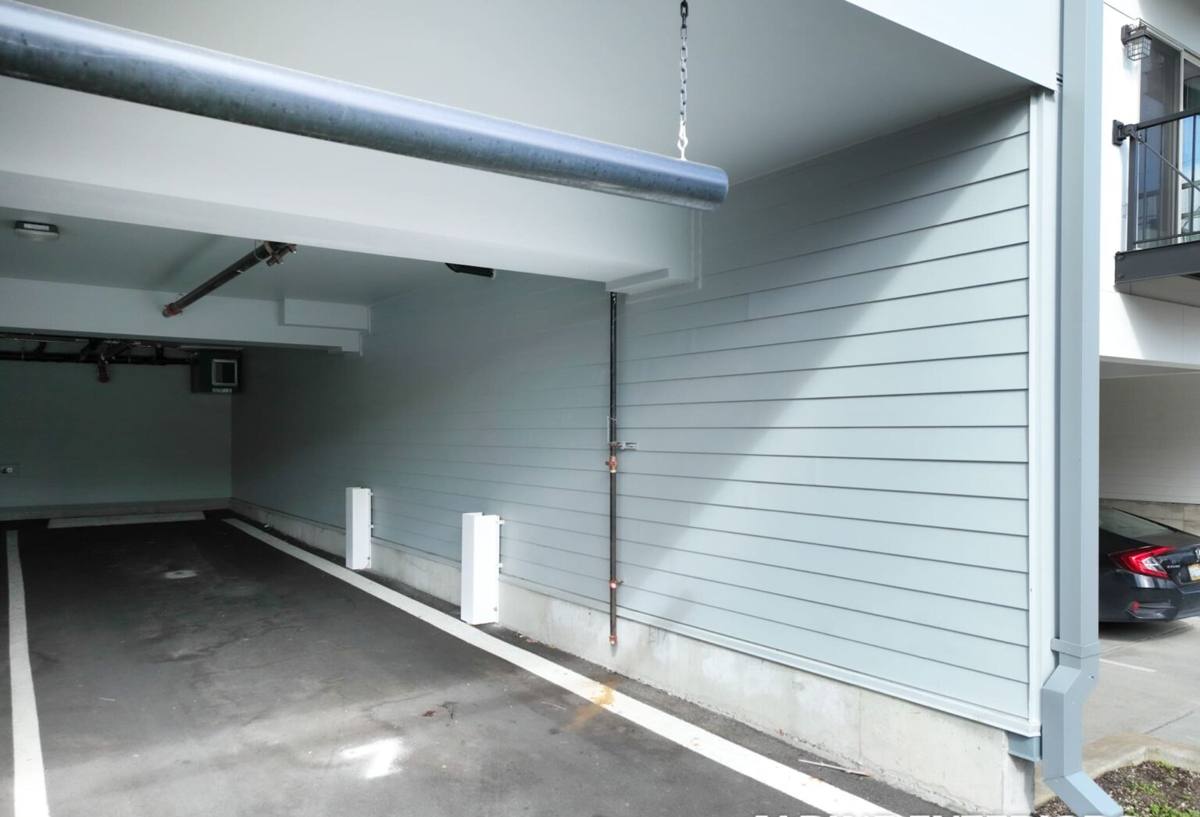
How the Local Climate Actually Attacks Siding
Salt air and metal fasteners
Homes closer to the water deal with airborne salt that accelerates corrosion on fasteners, flashing, and any exposed metal trim. Cheap or under-spec'd fasteners corrode faster than the siding around them fails, which is why the fastener schedule matters as much as the siding material itself.
Driving rain and wall penetration
Whatcom County's weather pattern isn't gentle, straight-down rain most of the year — it's wind-pushed rain that finds horizontal seams, butt joints, and anywhere flashing was skipped or done wrong the first time. Siding that isn't installed with the right laps, gaps, and flashing details will eventually let water behind it no matter how good the material is.
Moss, algae, and constant dampness
Shaded walls, tree cover, and the long damp season common to this part of Washington keep siding surfaces wet longer than in drier climates. Wood-based products absorb that moisture and start to soften or rot from the inside. Even products that resist water absorption can still grow moss and algae on the surface if the finish isn't engineered to shed it.
Signs a Custer Home Needs Siding Replacement, Not Another Repair
- Soft or spongy spots when you press on the siding, especially near the bottom courses or under windows
- Paint that won't hold — bubbling, peeling, or needing repainting every 2-3 years instead of holding for a decade
- Visible warping, cupping, or separation at seams and butt joints
- Persistent moss or algae staining that comes back within a season of cleaning
- Rising energy bills with no other explanation, suggesting the wall assembly behind the siding is no longer doing its job
- Visible rot at corners, trim boards, or anywhere siding meets a roofline, deck, or porch
- Siding that's original to a home built more than 20-25 years ago, especially if it's a wood composite or older vinyl product
If you're only seeing one or two of these in isolated spots, a repair may genuinely be the right call. Once several of these show up across different elevations of the house, it's usually a sign the whole envelope is due, not just a board or two.
Why We Install Only James Hardie Fiber Cement
We don't install vinyl, LP SmartSide, cedar, primed spruce, Cemplank, or Allura. That's a deliberate standard, not a lack of options. In a climate like Custer's — salt air, driving rain, long moss season — the trade-offs of those other products show up faster and cost more to live with over time:
- Vinyl expands and contracts significantly with temperature swings, can warp or crack in wind-driven weather, and offers no real fire resistance.
- Wood-based products (cedar, primed spruce, LP SmartSide) are organic material — even with treated cores or synthetic coatings, they remain more vulnerable to sustained moisture exposure than fiber cement, and repainting/recaulking cycles come around more often in a wet climate.
- Other fiber cement brands (Cemplank, Allura) are technically similar products, but we've standardized on one manufacturer, one factory finish system, and one warranty structure so every job we do is consistent and every homeowner gets the same accountability if something goes wrong.
James Hardie fiber cement is non-combustible, dimensionally stable across our seasonal swings, and available in HZ5 formulations engineered specifically for wetter, harsher climates like the Pacific Northwest. The ColorPlus factory finish is baked on under controlled conditions rather than field-painted, which matters directly for moss and algae resistance and for how long the color holds before it needs attention.
What ColorPlus Actually Buys You Here
Field-applied paint is only as good as the weather conditions on the day it's applied and the prep work underneath it. A factory finish is cured, consistent, and backed by its own finish warranty separate from the product warranty — which matters in a climate where field painting windows are shorter and less predictable than in drier regions.
What a Correct Siding Replacement Actually Involves
The material is only half the job. Most siding failures we see in this area trace back to installation shortcuts, not the product itself. A correct replacement includes:
- Full tear-off and sheathing inspection — removing old siding to check the wall sheathing and framing underneath for rot or water damage before anything new goes on.
- Weather-resistive barrier — a properly lapped and sealed house wrap or building paper, installed so water sheds down and out, not into seams.
- Flashing at every penetration — windows, doors, hose bibs, light fixtures, and anywhere else something interrupts the wall plane. This is the single most common place we find prior water intrusion.
- Correct fastener type, spacing, and placement — matched to the substrate and following the manufacturer's engineering specs, not just "close enough."
- Proper clearances — siding held off grade, decks, roof lines, and other surfaces to keep it from sitting in standing water or trapped moisture.
- Caulking and sealant only where specified — over-caulking can trap moisture behind siding just as easily as under-caulking lets it in.
Every one of these steps is invisible once the job is finished. That's exactly why it matters who does the work — a good-looking finished wall can hide a poorly executed installation for years before problems surface.
Our Process for Custer Jobs
Because we already work regularly in and around Ferndale and greater Whatcom County, a Custer job isn't a special trip or an unfamiliar situation for us. Our process is the same every time:
- On-site walkthrough to assess current siding condition, sheathing risk areas, and any trouble spots specific to the home's exposure and site conditions
- Written estimate covering material, labor, tear-off, disposal, and any sheathing repair contingencies identified during the walkthrough
- Product and color selection from James Hardie's HZ5 lineup, matched to the home's exposure and the homeowner's preference
- Scheduled installation with weather contingencies built in — we don't rush wall assembly work during active rain
- Final walkthrough covering fastener lines, flashing details, and clearances before the job is signed off
Cost Factors for a Custer Siding Replacement
Every home is different, but the same handful of variables drive most of the cost difference between projects in this area:
| Factor | Why It Matters Here |
|---|---|
| Extent of sheathing damage found at tear-off | Salt air and driving rain mean hidden rot is more common than in drier climates — repair scope isn't known until old siding comes off |
| Home exposure (wind, water, shade) | North and east walls with more shade and moisture exposure may need different detailing or product spec than south-facing walls |
| Number of penetrations and trim details | More windows, doors, and architectural features mean more flashing and cutting labor |
| Siding profile and color | Lap width, texture, and ColorPlus finish selection affect material cost |
| Access and site conditions | Tree cover, tight lot lines, and driveway/staging access affect labor time |
We won't quote a number without seeing the house, but broadly, full siding replacement is a significant home investment — think in terms of a multi-week project and a material and labor cost that reflects a 30-50 year product, not a short-term fix.
Choosing a Contractor Who Already Works Custer
A contractor unfamiliar with this specific stretch of Whatcom County is guessing at things a local crew already knows: how much moisture load a north wall carries through a typical winter, which fastener and flashing details actually hold up against wind-driven rain here, and how long a moss-prone wall stays wet after a storm system moves through. That knowledge shows up in the small decisions made on-site — not just the sales pitch beforehand.
When vetting any siding contractor in this area, ask directly:
- Are they licensed and insured in Washington, and can they provide proof on request?
- Do they install to the manufacturer's written installation instructions, or their own shortcuts?
- Will they show you the flashing and fastening plan before work starts, not just after?
- Do they offer a written warranty covering both labor and material, and is it transferable if you sell the home?
- Can they explain why they chose the specific product line for your home's exposure, rather than a one-size-fits-all answer?
After Installation: Keeping Custer Siding Performing
Fiber cement is low-maintenance, not no-maintenance. In this climate, a simple annual routine keeps a correctly installed job performing for decades:
- Rinse siding annually, especially shaded and north-facing walls prone to moss and algae buildup
- Inspect caulking at trim and penetrations every year or two, and re-seal only where it's actually failed
- Keep gutters clear so overflow doesn't run down the wall face repeatedly
- Trim back vegetation and tree cover that keeps walls shaded and damp longer than necessary
- Address any impact damage (from debris, equipment, etc.) promptly rather than letting a chip become a moisture entry point
If you're weighing a siding replacement for a home in Custer, we're happy to come take a look, walk the exterior with you, and give you an honest read on what your home actually needs — no pressure, no obligation. Fill out the form below for a free estimate.