 Ferndale
 Building Decks for Lummi Nation Homes in a Coastal Climate
Homes around Lummi Nation sit close enough to the water that the air itself works against wood, metal, and even concrete. A deck built here does a different job than a deck built inland. It has to shed rain fast, resist salt-laden air, and survive a moss season that can stretch from October well into spring. We build decks for this specific stretch of Whatcom County, and the choices we make around materials, fasteners, and drainage reflect what actually happens to a deck twelve months a year in this location, not what happens to a deck in a showroom or a catalog photo.
A deck that looks fine in July can already be failing underneath by the following spring if it wasn't built for this climate. That's the gap we're trying to close: between a deck that looks good on install day and one that's still sound, safe, and low-maintenance five or ten years later.
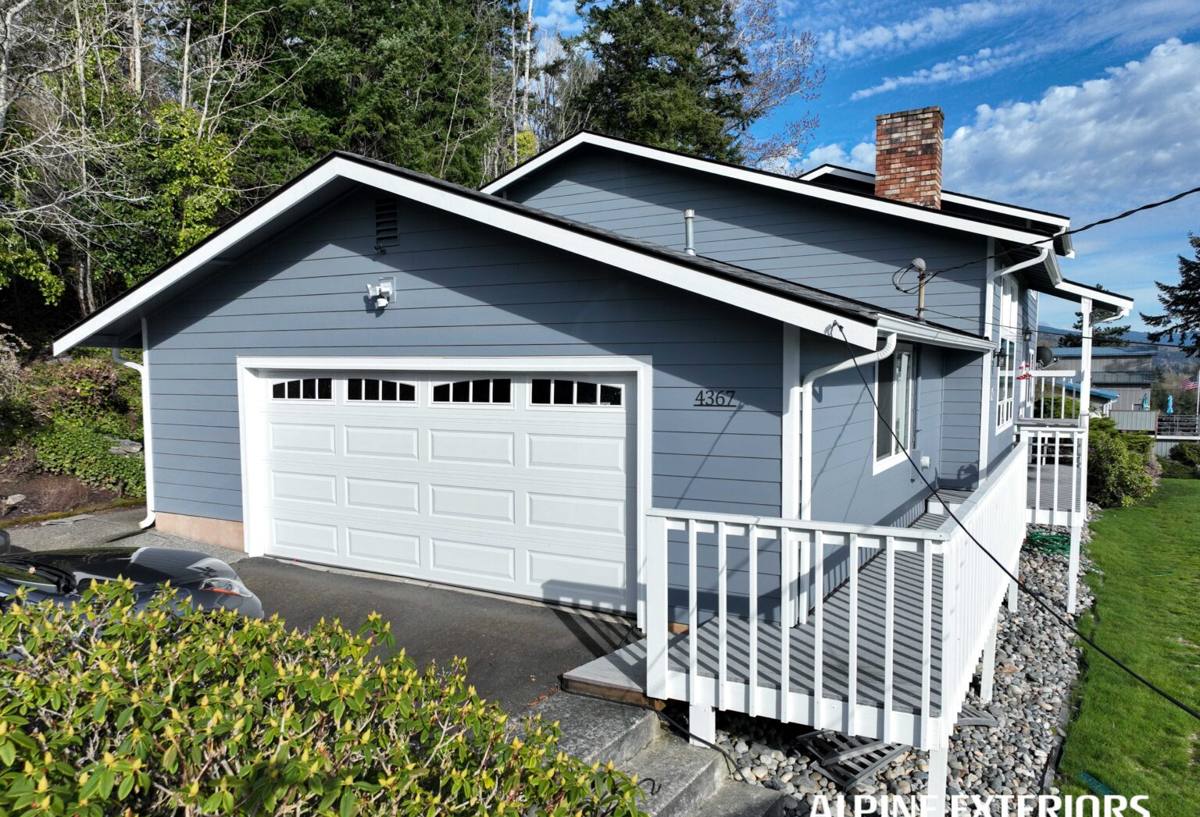
Salt Air, Driving Rain, and Moss: The Three Things That Wreck an Untreated Deck
Every deck failure we see near the water traces back to one of three causes, usually working together.
Salt Air
Airborne salt accelerates corrosion on any fastener, bracket, or hanger that isn't rated for it. Standard galvanized hardware can start showing rust streaks and pitting well before a deck's wood has any visible wear. Once a fastener corrodes, it loses holding strength quietly, with no outward sign until something moves that shouldn't.
Driving Rain
Wind-driven rain off the water doesn't fall straight down. It gets pushed sideways into ledger boards, under railings, and into any gap where flashing or sealant is missing or has failed. Water that gets behind a ledger board or into a post base doesn't dry out quickly in our climate, and that's where rot starts.
Moss and Prolonged Dampness
Whatcom County's long wet season means horizontal surfaces stay damp for extended stretches. Moss and algae take hold on decking boards, stair treads, and anywhere debris collects, and a damp, moss-covered surface is both a slip hazard and a moisture trap that keeps wood wet longer than it should be.
None of these three problems are solved by one product or one trick. They're solved by the way the whole deck is designed and assembled, from the footings up.
Choosing the Right Decking Material for This Location
There's no single "best" decking material for every home — it depends on budget, how much maintenance a homeowner wants to do, and how exposed the deck is to wind and rain. Here's an honest comparison of the main options we install and recommend for homes in this area.
| Material | Moisture Behavior Near Salt Air | Maintenance | Typical Lifespan Here |
|---|---|---|---|
| Cedar | Naturally rot- and insect-resistant; needs sealing to hold up against driving rain and salt exposure | Re-stain or reseal every 1-3 years | 15-20+ years with upkeep |
| Pressure-Treated Lumber | Good rot resistance from chemical treatment, but cut ends and hardware holes need field-treating | Reseal every 1-2 years; check for surface checking | 15-20 years |
| Composite Decking | Doesn't absorb moisture or rot; performs consistently in wet, salty air | Occasional washing; no staining or sealing | 25-30+ years |
| Tropical Hardwoods | Very dense and naturally weather-resistant, but heavy and less forgiving to install correctly | Periodic oiling to maintain appearance | 20-25+ years |
We don't push one product on every homeowner. A cedar deck that's properly sealed and maintained can look better and last as long as a composite deck — it just asks more of the owner over the years. Composite trades a higher upfront cost for far less annual upkeep, which matters if the deck gets heavy salt and rain exposure and the homeowner doesn't want a yearly maintenance chore. We'll walk through the honest trade-offs for your specific site and sun/wind exposure before you commit to anything.
What a Correct Build Looks Like Below the Decking
The decking boards are the part everyone sees, but the parts that determine whether a deck lasts are underneath and behind it.
Footings and Posts
Footings need to sit below the frost line and bear on undisturbed, properly compacted soil. In wetter yards near Lummi Nation, we also pay close attention to drainage around footings so standing water isn't sitting against concrete and post bases all winter.
Ledger Board Attachment and Flashing
Where a deck attaches to the house is the single most common failure point we see on older decks in this region. The ledger board needs proper flashing that directs water out and away from the house sheathing, not a bead of caulk doing the whole job. A poorly flashed ledger is where driving rain finds its way behind the siding and starts rot that isn't visible until it's advanced.
Joist Spacing and Hardware
Joist spacing needs to match the decking material's span rating — composite and hardwood often have tighter spacing requirements than standard lumber. Every hanger, bolt, and screw should be rated for exterior, corrosive-environment use, not just galvanized hardware pulled from a general contractor's standard stock.
Our Deck-Building Process, Start to Finish
- On-site assessment: We look at sun exposure, wind direction, drainage, and how close the site is to salt air influence, since that changes hardware and material recommendations.
- Material and layout discussion: We walk through decking options, railing styles, and layout with the homeowner, including honest cost and maintenance trade-offs.
- Permitting: We handle the permit application and inspection scheduling required for the build.
- Footings and framing: Footings are set to code depth, and framing is built with corrosion-resistant hardware throughout.
- Ledger flashing and waterproofing: This step gets the same attention we'd give a roof-to-wall flashing detail, because the consequences of getting it wrong are similar.
- Decking, railing, and stairs installed: Fastening patterns and gapping are set to allow for material expansion and drainage, not just a tight, clean look on day one.
- Final walkthrough: We go over maintenance expectations specific to the material chosen, so there are no surprises a year in.
Railings, Fasteners, and Hardware Near Salt Air
Hardware is where a lot of decks quietly fail years before the decking itself gives out. Standard zinc-coated screws and brackets can start corroding within a few seasons this close to the water. We use stainless steel or coated fasteners rated for coastal and marine-adjacent exposure on connections that matter structurally — joist hangers, ledger bolts, and post-to-beam connections. It costs more upfront than standard hardware. It's not optional if you want the deck's structure to outlast its decking boards.
Railings get the same consideration. Metal railing systems need a finish that resists salt corrosion, and any wood railing components need the same sealing schedule as the decking itself, since railings take direct rain exposure on both faces.
Maintenance: What Actually Keeps a Deck Sound Here
Every deck, regardless of material, needs some seasonal attention in this climate. Here's what we recommend to every homeowner we build for:
- Sweep debris off the deck surface regularly through fall — trapped leaves hold moisture and feed moss growth.
- Wash the surface at least once a year to remove algae and moss buildup before it gets established.
- Check and reseal or re-stain wood decking on the schedule appropriate to the material (cedar and pressure-treated lumber typically need this every 1-3 years).
- Inspect the ledger board area and flashing once a year for any sign of staining or moisture behind the siding.
- Look over visible hardware for rust streaks, which can signal a fastener that needs replacing before it loses strength.
- Keep gutters and downspouts near the deck clear so roof runoff isn't dumping extra water onto or under the structure.
None of this is difficult, but skipping it is how a well-built deck ends up needing early repairs. A deck built correctly from the start makes this maintenance easier — proper gapping and drainage mean less standing water and less moss to begin with.
Permits and Local Building Requirements
Deck construction in Whatcom County generally requires a building permit, with specifics depending on the deck's height, size, and attachment to the house. Requirements can also intersect with setback rules and, depending on the property, tribal or county jurisdiction considerations near Lummi Nation. We handle the permitting process as part of our build, including making sure footing depth, guardrail height, and stair specifications meet current code before inspection.
Why a Crew That Already Works This Area Matters
A deck built by a crew unfamiliar with this specific stretch of coastline tends to make the same mistakes: standard hardware instead of corrosion-resistant fasteners, ledger flashing details that work fine inland but fail under driving rain off the water, and decking gap spacing that doesn't account for how much moisture and moss this area sees. Those aren't defects you notice on install day — they show up two or three winters later.
We build decks throughout Ferndale and the surrounding Whatcom County coastline, including homes near Lummi Nation, and we specify materials and hardware based on what actually holds up here rather than a generic build sheet. That local knowledge is the difference between a deck that needs real repair work in five years and one that just needs the maintenance any deck needs.
Get a Free, No-Pressure Estimate
If you're planning a new deck or replacing an aging one near Lummi Nation or anywhere in the Ferndale area, we're happy to come look at your site, talk through material options honestly, and give you a straightforward estimate. There's no pressure and no obligation — just a clear look at what your deck actually needs. Use the form below to get started.