 Ferndale
 Decks in Lummi Nation Take a Different Kind of Beating
A deck built five miles inland and a deck built near the water don't age the same way, and that difference shows up constantly in the Lummi Nation area. Homes here sit close enough to Bellingham Bay and the Nooksack delta that salt-laden air is a regular fact of life, not an occasional event. Add Whatcom County's long, wet fall-through-spring stretch of driving rain and the shaded, damp conditions that let moss and algae take hold for months at a time, and you've got a deck environment that's genuinely harder on wood, fasteners, and finishes than what you'd find in a drier inland town.
None of that means a deck here is doomed — it means the repair has to account for what's actually attacking the structure. A patch job that would hold up fine in a dry climate can fail within a season or two out here if it doesn't address moisture intrusion and metal corrosion specifically. That's the lens we bring to every deck repair call in this area.
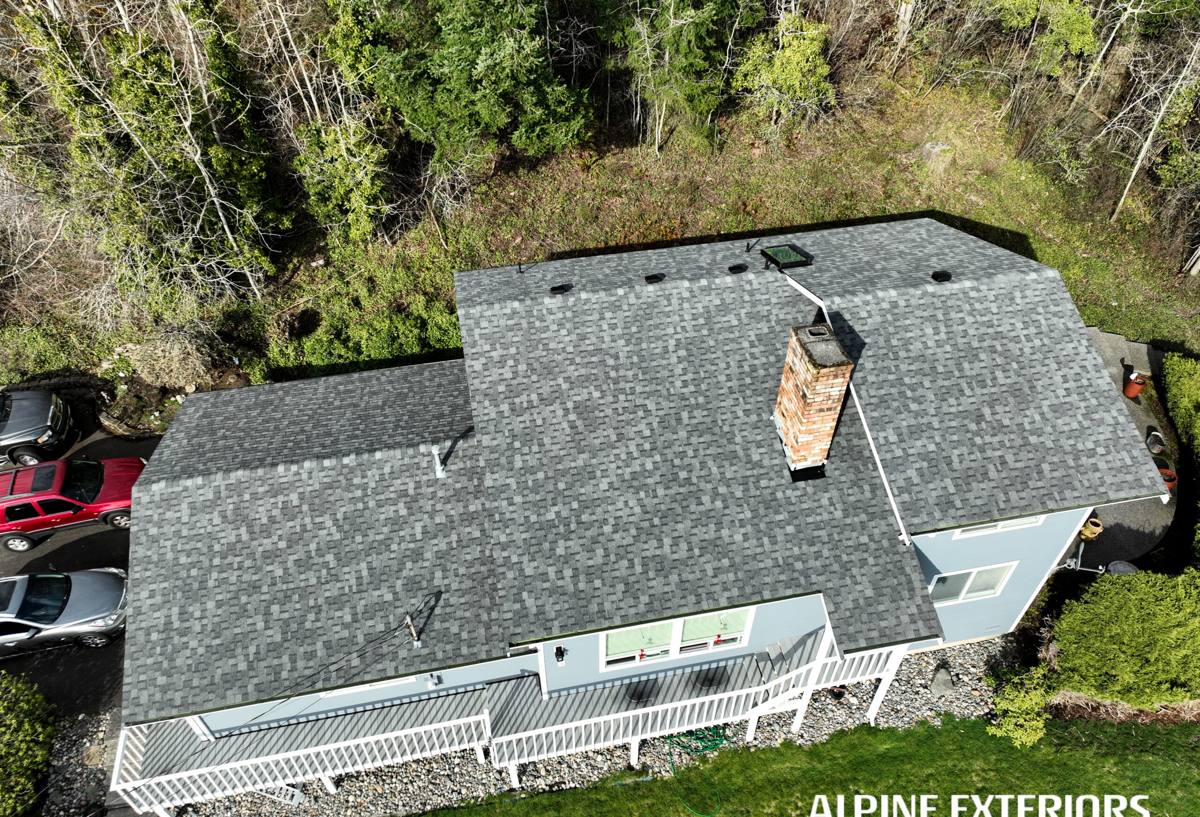
How Salt Air, Rain, and Moss Actually Damage a Deck
Salt Air and Metal Fasteners
Salt in the air accelerates corrosion on nails, screws, joist hangers, and bolts — even ones rated for exterior use. Once a fastener starts rusting, it loses holding strength and can stain the surrounding wood, and a corroded joist hanger is a structural problem, not a cosmetic one. We see this most often on decks that face open water or sit in a spot where onshore breeze has a clear path to the structure.
Driving Rain and Water Intrusion
Wind-driven rain doesn't fall straight down — it gets pushed sideways under railings, behind ledger boards, and into any gap in flashing or caulking. Over time that moisture works its way into end grain and fastener holes, which is exactly where wood rot starts. The ledger board (where the deck attaches to the house) and the posts closest to grade are usually the first places we find water damage.
Moss, Algae, and Trapped Moisture
Whatcom County's moss season runs long, and shaded decks under trees or on the north side of a house barely get a chance to dry out between rain events. Moss and algae hold moisture against the decking surface, which softens wood fibers, makes boards slippery, and speeds up decay from the top down instead of just from underneath.
Signs Your Deck Needs Repair
Most deck problems are fixable if they're caught before they spread to the framing. Here's what we tell homeowners to watch for between inspections:
- Soft, spongy, or springy spots when you walk across the decking
- Boards that have visibly cupped, split, or pulled away from joists
- Rust streaks running down from screws, nails, or metal connectors
- Green or black staining that keeps coming back after cleaning
- Railings or stair stringers that feel loose or wobbly
- Gaps or dark staining where the deck meets the house (ledger board area)
- Visible daylight or gaps around post bases where they meet concrete footings
Any one of these on its own might just need a targeted fix. Several at once, especially near the ledger or support posts, usually means it's time for a proper inspection before someone gets hurt.
What a Correct Deck Repair Actually Involves
Inspection Before Anything Gets Fixed
We start underneath the deck, not on top of it. That means checking joists, beams, post bases, and the ledger connection for rot, checking fastener condition, and probing any suspicious wood with a screwdriver or awl to see how far decay has actually spread. Surface damage is often just the visible part of a larger moisture problem, and repairing only what's on top without checking the framing underneath is how "fixed" decks fail again within a year or two.
Matching the Repair to the Damage
Not every problem needs a full rebuild. Depending on what we find, a repair might mean:
- Sistering a rotted joist with new lumber alongside the damaged section
- Replacing individual decking boards rather than the whole surface
- Rebuilding a compromised ledger connection with proper flashing
- Swapping corroded fasteners and hardware for coated or stainless options
- Reinforcing or replacing post bases showing rot at grade level
- Rebuilding stair stringers or railing posts that have loosened or decayed
Flashing and Moisture Management
Whenever we open up a ledger board connection, we install proper flashing — this is the single most important thing standing between your house's rim joist and years of water intrusion. A deck can look solid on the surface for a long time while the ledger connection quietly rots behind it if flashing was missing or installed incorrectly the first time around. We don't close that area back up without it done right.
Repair or Replace? How We Help You Decide
Homeowners often call assuming the worst, and sometimes a full rebuild really is the right call — but plenty of decks just need targeted repair. Here's roughly how we weigh it:
| Factor | Leans Toward Repair | Leans Toward Replacement |
|---|---|---|
| Framing condition | Joists and beams are solid, damage is localized | Widespread rot in multiple structural members |
| Age of deck | Under 15-20 years, built to a reasonable standard | Older deck near or past typical service life |
| Ledger connection | Sound, or fixable with flashing correction | Rotted rim joist or house framing behind it |
| Post bases | Isolated rot at one or two posts | Rot at most or all post bases |
| Code compliance | Railings, stairs, and spacing meet current code | Structure was never built to code and needs redesign |
We'll walk you through what we actually find and give you an honest read on which side of that table your deck falls on — including the cases where repair now buys you several more years before a rebuild makes sense.
Materials We Use and Why
For structural repairs — joists, beams, posts — we use pressure-treated lumber rated for ground contact where it's near grade, and we're deliberate about fastener choice given the salt air in this area. Hot-dip galvanized or stainless steel hardware costs more up front than standard coated fasteners, but in a coastal-influenced climate the difference in corrosion resistance is worth it, especially anywhere fasteners are hard to inspect or replace later.
For decking surface repairs, we'll talk through both wood and composite options honestly. Composite decking resists moss staining and doesn't need refinishing, which some homeowners here value given how much moss season this area gets — but it comes with a higher material cost and its own installation requirements around spacing and ventilation. Wood decking costs less upfront and is easier to spot-repair board by board, but needs more regular maintenance to hold up against this climate. Neither is automatically the "right" answer — it depends on your budget, your maintenance appetite, and what's already on the deck.
Maintaining Your Deck Between Repairs
A repaired deck lasts a lot longer with a little regular attention, especially given how much moisture this area deals with:
- Sweep off leaves and debris regularly, especially in shaded areas where moss builds up fastest
- Clean moss and algae off the surface at least once a year, ideally before the wet season sets in
- Check and re-seal or re-stain wood decking on the manufacturer's recommended schedule, not just when it looks faded
- Look underneath the deck once a year for early signs of rot or rust, especially near the ledger and post bases
- Keep gutters and downspouts clear so runoff isn't draining directly onto or under the deck
- Trim back vegetation that's keeping sections of the deck shaded and damp
Why Local Experience With Lummi Nation Properties Matters
A deck repair crew that regularly works this specific stretch of Whatcom County already knows what to expect before the ladder comes out — where salt exposure tends to be worse, how long moss season typically runs, and which construction shortcuts from a decade or two ago tend to cause ledger and post-base problems now. That familiarity means less time spent diagnosing and more time spent fixing the actual problem, and it means the repair is built with this climate in mind rather than a generic approach that ignores what coastal Ferndale conditions do to a structure over time.
It also means straightforward communication about what's realistic. If a repair will genuinely hold up, we'll tell you that. If the framing underneath is too far gone for a patch to be worth your money, we'll tell you that too, along with what a rebuild would involve.
What to Expect From Our Repair Process
We keep the process straightforward: an on-site inspection to see the actual condition of your deck (top and underneath), a clear explanation of what we found, a written estimate that separates out any options if there's more than one reasonable path forward, and then the work itself, scheduled around Whatcom County's weather rather than fighting it. Most single-issue repairs — a rotted section of decking, a few damaged joists, a loose stair stringer — can be done in a day or two. Larger jobs involving the ledger connection or multiple post bases take longer, and we'll give you a realistic timeline before work starts, not after.
If you're not sure whether what you're seeing is a quick fix or a bigger problem, that's exactly what the estimate visit is for. We'll take a look, tell you honestly what we find, and put together a straightforward, no-pressure quote — just fill out the form below to get started.