 Ferndale
 Window Replacement Built for Marietta's Marine Climate
Marietta sits close to the water along Bellingham Bay, and that proximity shapes everything about how windows age here. Homes just a few miles inland in Ferndale deal with rain and cold; homes in Marietta deal with all of that plus a steady drift of salt air off the bay. Salt-laden moisture works into window hardware, aluminum cladding, and exposed fasteners faster than it does further inland, and it doesn't take long before a homeowner notices pitted latches, chalky finishes, or a sash that used to glide and now sticks.
Add in Whatcom County's long, wet winters and the moss season that follows, and you've got a climate that's genuinely harder on windows than most manufacturers' warranty testing accounts for. We've replaced enough windows in this pocket of Ferndale to know which failure points show up first here, and we build the job around preventing those specific problems rather than just swapping old glass for new.
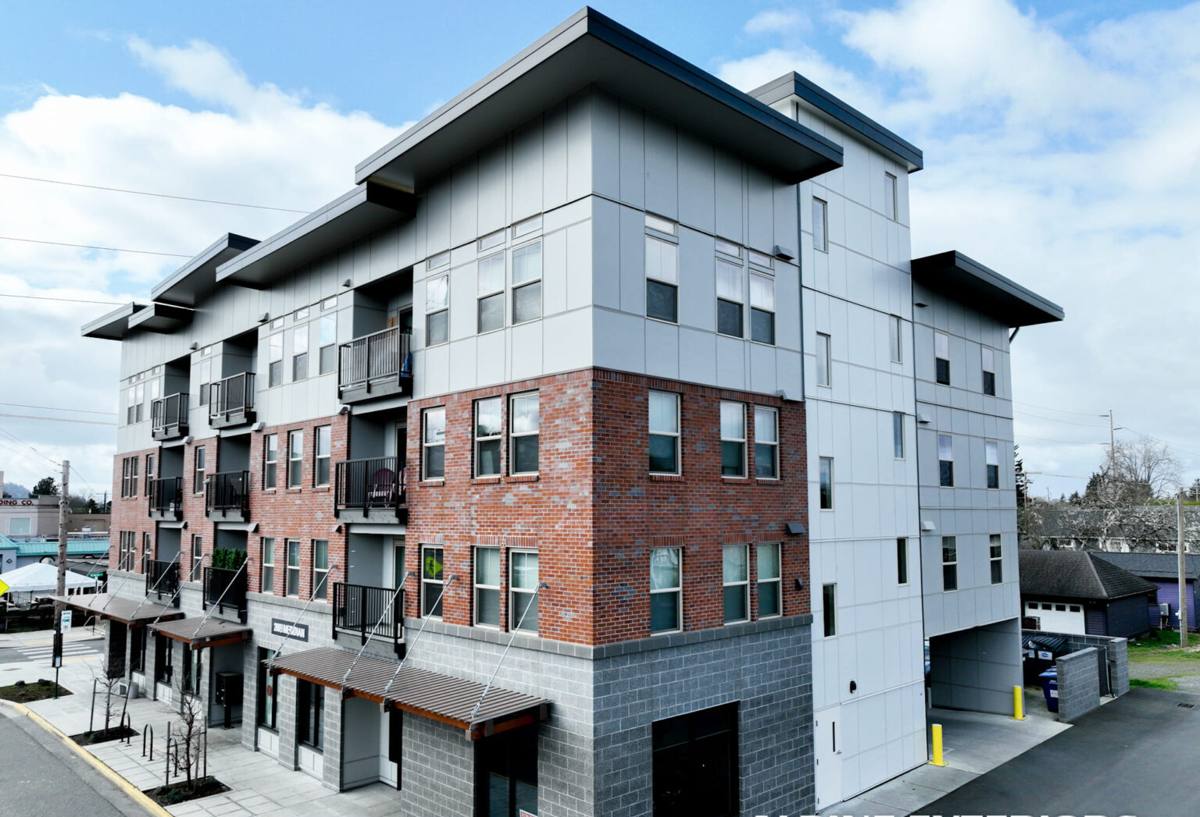
What Salt Air and Driving Rain Actually Do to Windows
Salt Air
Airborne salt settles on every horizontal surface — window sills, sash tracks, exterior hardware. Over years it accelerates corrosion on lower-grade metal components, dulls factory finishes, and can work into gaps in weatherstripping where it holds moisture against the frame. Vinyl and fiberglass resist this better than bare aluminum or unprotected steel hardware.
Driving Rain
Wind-driven rain off the bay doesn't just fall on a window — it pushes sideways into any gap in the flashing or sealant. A window that's watertight in a light, straight-down rain can still leak during a windy winter storm if the flashing detail underneath it was never done correctly. This is one of the most common reasons we get called out to a "brand new" window that's leaking: the window itself is fine, but the installation around it wasn't sealed for wind-driven conditions.
Moss and Sustained Moisture
Whatcom County's moss season isn't limited to roofs. Moss and algae can take hold on north-facing sills, in corner joints, and anywhere water sits instead of draining. Left alone, that sustained moisture breaks down caulking, softens wood trim, and can eventually reach the framing behind the window.
Signs a Marietta Home Needs Window Replacement, Not Just Repair
- Visible fog or moisture trapped between panes (failed seal on double-pane glass)
- Sashes that stick, won't stay open, or won't latch fully
- Soft or discolored wood trim around the frame, especially on the bottom sill
- Drafts you can feel near the frame even when the window is closed and locked
- Condensation forming on the inside of the glass regularly through fall and winter
- Visible corrosion or pitting on hardware, hinges, or latches
- Rising heating bills without any other clear cause
- Paint or finish that's chalking, peeling, or bubbling near the window frame
A single stuck sash or one worn weatherstrip is usually a repair. Multiple items from this list on the same window, or the same problem repeating across several windows on one exposure, is a sign the windows have reached the end of their useful life.
What a Correct Window Replacement Job Involves
Swapping in a new window is the easy part. What determines whether that window performs for the next 20-plus years in a place like Marietta is everything around it:
- Removing the old unit without damaging the rough opening, and inspecting the framing underneath for rot or moisture damage before anything new goes in.
- Correcting any water damage found — replacing soft framing or sill material rather than covering it up. This step gets skipped by crews trying to move fast, and it's the single biggest cause of premature failure on a "new" window.
- Installing flashing in the correct order — sill pan first, then side flashing, then head flashing, layered so water is always directed outward and down, never trapped behind the window.
- Setting the window level, plumb, and square, shimmed correctly so the frame isn't under stress that will eventually crack a seal or bind the sash.
- Sealing with the right materials for the exposure — a marine-adjacent, wind-driven-rain wall needs different sealant and backer rod choices than a sheltered interior wall.
- Insulating the gap between the window and rough opening properly, without overpacking it, which can bow the frame.
- Finishing the interior and exterior trim so the whole assembly sheds water and looks right from the street.
Choosing the Right Frame Material for This Location
Frame material matters more here than in a drier, inland climate. Here's how the common options hold up against salt air, moisture, and moss exposure:
| Frame Material | Salt Air / Coastal Performance | Moisture Behavior | Maintenance |
|---|---|---|---|
| Vinyl | Very good — won't corrode or rust | Doesn't absorb water; no rot risk | Low — occasional cleaning |
| Fiberglass | Excellent — highly resistant to corrosion and expansion/contraction | Stable in wet-dry cycles, minimal warping | Low |
| Wood (unclad) | Poor to fair — needs consistent upkeep to prevent rot near salt air | Absorbs moisture if finish fails | High — regular refinishing |
| Wood-clad (vinyl or aluminum-clad) | Good if cladding and seams are intact | Depends on seam integrity at joints and sill | Moderate |
| Bare aluminum | Fair to poor — prone to pitting and corrosion near the bay | Conducts cold, prone to condensation | Moderate to high |
We generally steer Marietta homeowners toward vinyl or fiberglass for this reason — not because wood or aluminum are bad products in general, but because they demand a level of upkeep that's harder to keep up with this close to the water. If you love the look of wood and are willing to stay on top of maintenance, we'll say so honestly and install it correctly rather than talk you out of what you want.
Our Process for a Marietta Window Replacement
Every job follows the same core sequence, adjusted for your home's exposure and existing construction:
- On-site assessment: we look at each window individually — sun exposure, wind exposure, current condition of framing and sill — rather than quoting a blanket price sight unseen.
- Honest recommendation: which windows need full replacement now, which can wait, and which just need a repair.
- Written estimate: materials, labor, and timeline spelled out before any work starts.
- Removal and inspection: old units come out carefully, and we check the rough opening before installing anything new.
- Installation: flashing, sealing, and finishing done to the standard described above, not shortcut for speed.
- Walkthrough: we go over the finished work with you before we consider the job done.
Why It Matters That We Already Work in Marietta
A crew that's worked this specific stretch of Ferndale and Whatcom County knows things a generic contractor won't — which exposures take the worst of the wind off the bay, how fast moss builds up on a north-facing sill here versus a few miles inland, and what a rough opening on an older Marietta home is likely to look like once the old window comes out. That familiarity shortens the guesswork and reduces the odds of surprises mid-job. It also means we're not learning on your house — we've already seen what salt air and driving rain do to windows in this exact area, and we build the job to account for it from the start.
What Affects the Cost of a Window Replacement
| Factor | Why It Matters |
|---|---|
| Number of windows | Per-window cost typically drops as more windows are done in the same visit |
| Frame material | Vinyl is usually the most budget-friendly; fiberglass and clad-wood cost more up front |
| Condition of existing framing | Rot or water damage found during removal adds repair time before the new window goes in |
| Window size and type | Large picture windows, bays, or custom shapes cost more than standard double-hung sizes |
| Exposure and access | Second-story or hard-to-access windows take more labor time |
| Glass package | Upgraded low-E coatings or gas fills add cost but improve energy performance |
We don't quote broad "starting at" numbers on this page because your actual cost depends on all of the above — that's exactly what the on-site estimate is for.
Keeping New Windows Performing Long-Term
A properly installed window in Marietta will still benefit from a little seasonal attention:
- Rinse salt residue off sills and hardware periodically, especially after storms
- Check weatherstripping yearly for wear or gaps
- Keep gutters and nearby drainage clear so water isn't pooling near window sills
- Wipe down north-facing sills before moss gets a foothold
- Repaint or refinish wood trim on schedule if you've chosen a wood or wood-clad frame
If your windows in Marietta are drafty, foggy, sticking, or just past their prime, we're happy to take a look and give you a straight answer about what they actually need. Reach out for a free, no-pressure estimate using the form below.