 Ferndale
 Why Deck Building in Nooksack Takes a Different Approach
Nooksack sits in a part of Whatcom County where the weather doesn't do a home any favors. Between the driving rain that rolls through much of the year, the salt-tinged air that reaches inland from Bellingham Bay and the Strait of Georgia, and a moss season that can stretch from fall through spring, an outdoor deck here works harder than the same structure would almost anywhere else in the state. A deck built with generic, catalog-spec methods might look fine the day it's finished and still cause trouble two or three winters later — soft spots at the ledger board, black streaking on the boards, footings that heave, fasteners that bleed rust through the decking.
Building decks correctly in this area isn't about using fancier materials than anyone else. It's about understanding how moisture moves through a structure over years of Whatcom County weather, and building every joint, fastener, and drainage path with that in mind from the start.
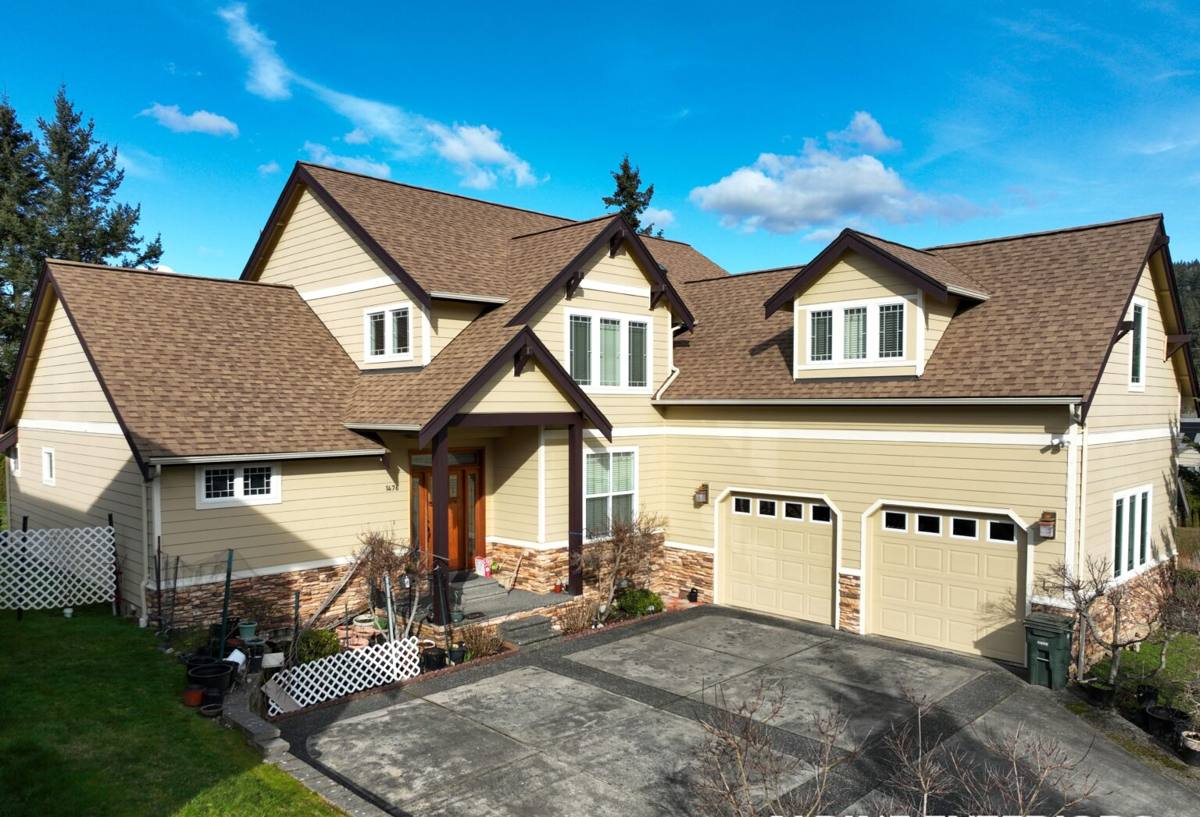
What Nooksack Homes Actually Need From a Deck
Moisture Management First
The single biggest factor in how long a deck lasts here is how well it sheds and drains water. That means proper flashing where the deck ties into the house, a ledger board detail that keeps water from wicking into the rim joist, and gapping between boards that's sized to let the structure dry out between storms instead of trapping moisture against the framing.
Moss and Algae Resistance
A long moss season means anything horizontal — decking boards, stair treads, railing caps — collects organic growth if it doesn't get airflow and sun exposure. Deck orientation, board spacing, and material choice all affect how much moss and algae a deck picks up, and how much scrubbing it needs to stay safe underfoot.
Salt-Air Considerations for Hardware
Even well inland from the water, salt-laden air carried on coastal weather systems accelerates corrosion on standard fasteners and connectors over time. Hardware rated for coastal exposure costs a little more up front and saves a homeowner from rust stains and weakened connections years down the road.
The Parts of a Deck Build That Actually Determine How Long It Lasts
Footings and Framing
Whatcom County soil holds a lot of moisture through the wet months, and footings need to be sized and set below frost depth so the structure doesn't shift as the ground freezes and thaws. Framing lumber should be pressure-treated and rated for ground contact where it's close to grade, with joist hangers and structural connectors in corrosion-resistant coatings rather than standard galvanized, which corrodes faster under sustained moisture exposure.
Ledger Board Attachment
This is where the most damage shows up on decks that were built without enough attention to detail. The ledger board needs proper flashing that directs water away from the house sheathing, not just caulk and a prayer. Done wrong, this is the spot where rot works its way into the rim joist and, eventually, the house framing itself — a repair that's far more expensive than doing it right the first time.
Decking Material and Spacing
Board spacing, fastener pattern, and the direction boards run all affect drainage and how quickly a deck dries after a storm. Getting this wrong doesn't show up immediately — it shows up as cupping, splitting, or moss buildup a few seasons in.
Decking Material Options for This Climate
There's no single "best" decking material for every Nooksack home — it depends on budget, how much maintenance the homeowner wants to take on, and how the deck will be used. Here's how the common options actually compare under Whatcom County conditions:
| Material | Moisture/Moss Behavior | Maintenance | Typical Lifespan |
|---|---|---|---|
| Pressure-treated wood | Absorbs water; needs sealing to resist moss and warping | Annual cleaning, re-sealing every 1-2 years | 10-15 years with upkeep |
| Cedar | Naturally moderate rot resistance; still needs finish to fight moss staining | Regular cleaning and refinishing | 15-20 years with upkeep |
| Composite decking | Doesn't absorb water like wood; still needs cleaning where moss can grip the surface texture | Periodic washing, no sealing/staining | 25-30+ years, manufacturer-dependent |
| PVC/capped polymer | Fully moisture-resistant surface; least hospitable to moss buildup | Occasional washing | 25-30+ years, manufacturer-dependent |
Composite and PVC products cost more per square foot up front, but for homeowners who don't want to be out there sanding and re-sealing every year or two, the lower maintenance burden often pencils out over the life of the deck. Wood costs less initially and can be the right call for a homeowner who's comfortable with the upkeep or plans to sell before maintenance becomes a factor. We'll walk through the real trade-offs for your situation rather than push one product line.
How We Build a Deck From Start to Finish
Site Assessment
We start by looking at drainage on the lot, sun exposure, how the deck will tie into the house, and what's underneath — soil conditions matter for footing depth and placement. This is also when we talk through how you'll use the space, since that affects size, layout, and material recommendations.
Permitting
Most deck projects in Whatcom County require a permit, and elevated decks almost always do. We handle the permit process and make sure footings, railings, and stair details meet current code — guardrail height, baluster spacing, and stair rise/run requirements are the areas inspectors check most closely.
Construction
Footings go in first and are given time to cure properly before framing loads them. Framing, ledger attachment, and flashing come next, followed by decking, railings, and stairs. We don't rush the parts that get covered up — the framing and flashing details you won't see once the deck is finished are the ones that determine whether it's still solid in fifteen years.
Final Walkthrough
Before we call a job done, we walk the deck with you — checking that boards are secure, railings are solid, stairs feel right, and drainage is working the way it should. Any punch-list items get handled before we consider the project complete.
Deck Problems We Commonly See on Existing Homes
When we're called out to repair or replace an older deck in this area, the same few issues show up again and again:
- Soft or rotted framing at the ledger board where flashing was missing or failed
- Undersized or improperly set footings that let the deck shift or settle unevenly
- Heavy moss and algae buildup on boards with tight spacing or poor sun exposure
- Rust-streaked decking from standard fasteners that weren't rated for the moisture and air conditions here
- Railings that no longer meet current code spacing, discovered when a homeowner tries to sell
- Stair stringers weakened by water pooling at the base where they meet the ground
Most of these are preventable with correct material choices and detailing at the time of construction — which is exactly where we focus.
A Simple Maintenance Checklist to Extend Deck Life
Whatever material a deck is built from, a little seasonal attention goes a long way in this climate:
- Sweep debris off the deck regularly, especially in fall when leaves and needles trap moisture against the boards
- Wash the deck surface at least once a year to keep moss and algae from establishing a foothold
- Check and clear any gaps between boards that have filled with debris, which blocks drainage
- Inspect railings and stair connections annually for looseness or corrosion
- Reseal wood decking on the schedule recommended for the specific product used
- Look at the ledger board area periodically for signs of staining or softness
Why It Matters to Hire a Crew That Already Works in Nooksack
A deck builder who works regularly in this part of Whatcom County has already seen how local conditions play out over years, not just at the moment a project wraps up. That means knowing which fastener grades hold up, which material choices actually reduce moss buildup instead of just claiming to, and which framing details keep a ledger board dry through a full Pacific Northwest wet season. It also means being familiar with local permitting requirements and inspection expectations, so a project doesn't stall waiting on paperwork or fail an inspection over an avoidable detail.
We build decks the way we'd want one built for our own homes in this climate — solid framing, correct drainage, and materials matched honestly to how you'll use the space and how much upkeep you want to take on.
If you're planning a new deck or want an honest look at whether an existing one needs repair or replacement, we're happy to come take a look. There's no pressure and no obligation — just a straightforward assessment and a written estimate you can use to make a good decision. The form below is the easiest way to get started.