 Ferndale
 Windows on a Peninsula: Why Point Roberts Is a Different Job
Point Roberts sits on its own peninsula, cut off from the rest of Whatcom County by the international border, with water on three sides. That geography is exactly what makes window replacement here different from a typical inland job. Homes are exposed to salt-laden air coming off the water, driving rain that gets pushed sideways by wind off the Strait, and a long, damp moss season that keeps siding, trim, and window surrounds wet for weeks at a time. Windows here don't fail because of one bad storm. They fail slowly, from years of moisture finding its way past worn seals, tired flashing, or a sill that was never built to shed water properly in the first place.
We install windows throughout Whatcom County, and Point Roberts is one of the areas where getting the installation details right matters more than average. A window that would last two decades in a sheltered inland yard can show rot or seal failure in half that time here if it wasn't installed with this climate in mind.
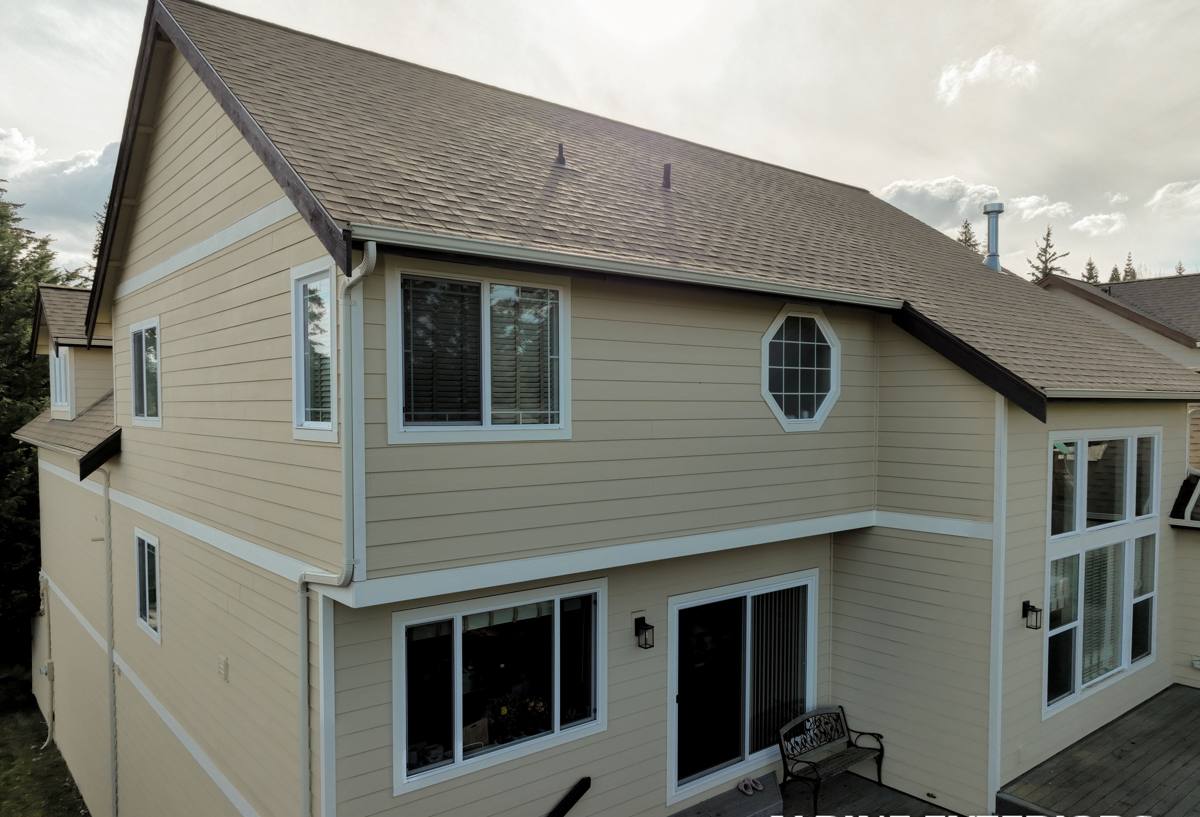
What Salt Air and Constant Moisture Do to a Window Over Time
Hardware and Frames
Salt air accelerates corrosion on hinges, locks, balance mechanisms, and screws. Vinyl and fiberglass frames resist this better than bare aluminum or unprotected metal hardware, but even good frames rely on hardware that has to keep working for years in a corrosive environment.
Seals and Glazing
Insulated glass units depend on an intact edge seal to keep the gas fill and moisture barrier working. Constant damp cycling — wet, dry, wet again — stresses that seal faster than a drier climate would. Once it fails, you get fogging between the panes, and that's not something caulk or cleaning fixes.
The Wall Around the Window
A long moss season keeps nearby siding and trim damp for extended stretches. If a window's flashing and weather barrier integration weren't done correctly, that moisture has a direct path into the wall cavity around the frame — which shows up later as soft trim, staining, or rot that has nothing to do with the window itself and everything to do with how it was tied into the wall.
What a Correct Installation Actually Involves
"New windows" is not one job — it's a sequence of steps, and skipping or rushing any one of them is where coastal homes run into trouble years later.
Removal Without Collateral Damage
Old windows come out carefully, with attention to what's revealed underneath: the condition of the rough opening, any existing water staining, and whether prior flashing was done correctly. This is often the first real look anyone gets at whether past moisture problems exist.
Flashing and Weather Barrier Integration
The window has to be integrated into the home's weather-resistive barrier in the correct shingle-lap sequence — meaning water draining down the wall is directed over the top of each flashing layer below it, never behind it. In a driving-rain climate, this sequencing is the single biggest factor in whether a window stays dry for the next twenty years.
Sill Pan and Drainage
A sloped sill pan under the window gives any water that does get past the outer seals somewhere to go — out, not into the wall. This is a small, inexpensive detail that's easy to skip and expensive to regret.
Sealant Selection and Placement
Not every sealant belongs in every location. Some perimeter joints should be fully sealed; others need to stay open so water that gets in has a way to drain back out. Sealing the wrong joint traps moisture instead of releasing it.
Insulation and Air Sealing
The gap between the window frame and rough opening gets filled with a material that stays flexible and won't compress or settle over time, so the window doesn't develop drafts or condensation points a few years in.
Choosing a Window Built for This Exposure
Frame material matters more here than in a sheltered inland location. The table below reflects how common frame types generally hold up under sustained salt air and moisture exposure.
| Frame Material | Coastal/Salt Air Performance | Maintenance Burden |
|---|---|---|
| Vinyl | Good — won't corrode or rot, handles moisture well | Low |
| Fiberglass | Very good — dimensionally stable, resists warping from wet/dry cycling | Low |
| Wood (unclad) | Poor without diligent upkeep — absorbs moisture, needs repainting/sealing on a strict schedule | High |
| Wood-clad (vinyl or aluminum exterior) | Good on the exterior face, but any breach in the cladding lets moisture into the wood core | Moderate |
| Bare aluminum | Fair — prone to corrosion and condensation without a thermal break | Moderate to high |
We generally steer coastal clients toward vinyl or fiberglass for the field of the house, not because wood or clad-wood windows are bad products, but because they carry a maintenance commitment that's harder to keep up with in a marine climate — especially on a part-time or vacation property where nobody's checking caulk lines every spring. Where clients want a wood interior look, a clad option can still make sense; it just needs someone honest about the upkeep involved.
Signs Your Windows Are Already Losing the Fight
- Fogging or a visible film between the panes of an insulated unit
- Soft, discolored, or crumbling trim or sill material around the window
- Visible moss or persistent green staining on the exterior casing
- A window that's noticeably harder to open, close, or lock than it used to be
- Drafts or a cold spot near the window on a windy day
- Peeling paint or bubbling on interior trim near the frame
- Musty smell in the room, especially after a stretch of wet weather
Any one of these can mean the window itself is failing, or that moisture is getting past it into the wall. Either way, it's worth a look before the next wet season, not after.
How the Job Runs, Start to Finish
- On-site assessment of existing windows, framing condition, and any signs of past moisture intrusion
- Straightforward written scope covering frame material, glass package, and what the flashing and sealing detail will look like for your specific walls
- Scheduling built around weather — driving rain is the enemy of a clean install, so we plan for dry windows in the work whenever the forecast allows
- Removal, opening inspection, and any needed repair to sheathing or framing before the new window goes in
- Installation with full flashing integration, sill pan, correct insulation, and sealant placement
- Interior and exterior trim finish work
- Final walkthrough and operation check on every window installed
Why Working With a Crew That Already Knows Point Roberts Matters
Point Roberts isn't accessed like the rest of Whatcom County — reaching it means crossing an international border, which affects how a job gets scheduled, how materials and crews move, and how realistic a same-week emergency repair actually is. A crew unfamiliar with that logistics reality can underestimate timelines or show up unprepared for the crossing. We factor that into scheduling from the start, so the plan we give you is one we can actually keep.
There's also a building-condition pattern that shows up repeatedly on this peninsula: homes with long stretches of vacancy between owner visits, which means a slow window leak can go unnoticed far longer than it would in a full-time residence. A crew that regularly works this area knows to look for that pattern and flag it early, rather than treating every job as a routine swap.
Living With New Windows in a Marine Climate
What to Check Each Season
A quick seasonal look at exterior caulk lines, weep holes (if your window style has them), and the trim around each window catches small issues while they're still small. Weep holes especially can clog with debris or moss and need to stay clear so water can drain the way the window was designed to shed it.
What Not to Do
Avoid caulking over weep holes or drainage gaps — it feels like a fix but blocks the path water is supposed to take out of the frame, which can push moisture back into the wall instead. If something looks off, it's worth a call rather than a tube of caulk.
What Drives the Cost of a Window Installation Here
Every property is different, but the main variables that move the price on a Point Roberts job are generally the same ones we'd flag for any coastal home in the area.
| Factor | Why It Affects Cost |
|---|---|
| Frame material chosen | Vinyl, fiberglass, and clad-wood carry different material and hardware costs |
| Number and size of openings | More windows and larger units mean more material and labor time |
| Condition of the existing opening | Rot or water damage found during removal adds repair scope before the new window can go in |
| Glass package | Upgraded glazing for sound, energy performance, or impact resistance costs more than standard insulated glass |
| Access and site logistics | Upper-story openings, tight access, or scheduling around the border crossing can add time |
We'd rather walk your specific windows and give you real numbers than quote a range that doesn't mean much for your house.
If your windows are showing their age, or you just want an honest read on how they're holding up against the salt air and rain out here, we're glad to come take a look. The estimate is free, there's no pressure attached, and you can use the form below to get started.